 Bellingham Siding
 Window Installation Built for Barkley's Coastal Climate
Barkley sits close enough to Bellingham Bay and the surrounding waterways that its homes take on a specific mix of weather stress: salt-laden air moving in off the water, long stretches of driving rain through the fall and winter, and a moss season that seems to start earlier and last longer every year. Windows are one of the first places that stress shows up. A window installed without the right flashing, sealants, and attention to water management will eventually let moisture into the wall cavity, and by the time you see a stain on the interior sill, the damage is usually already behind the drywall.
This page is about one job, done right, in one area: window installation for homes in and around Barkley. Not a general overview of windows everywhere, but what actually matters for houses sitting in this specific corner of Whatcom County.
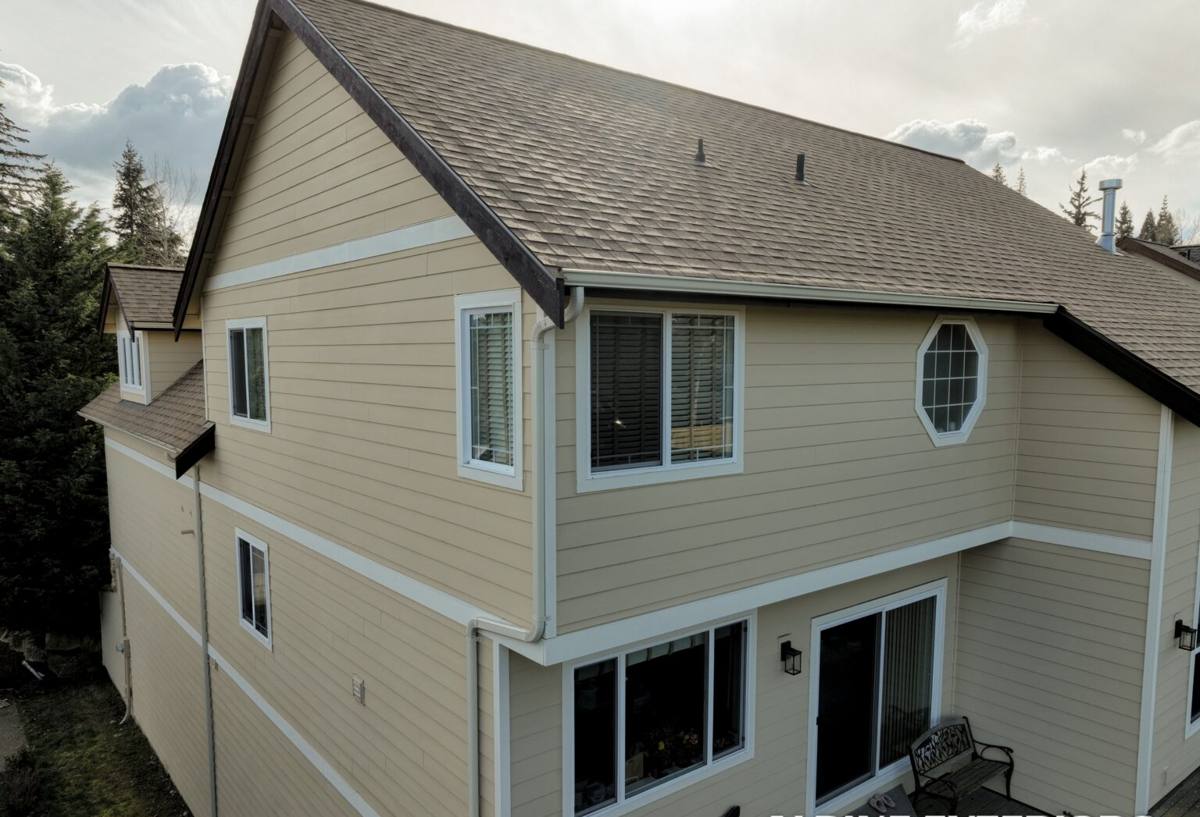
What Bellingham's Climate Does to Windows Over Time
Salt Air and Metal Fatigue
Homes closer to the water deal with airborne salt that settles on window hardware, aluminum cladding, and exposed fasteners. Over years, that accelerates corrosion on lower-grade hardware and can pit unprotected metal components. It's not dramatic — it's slow, and it's the kind of wear that goes unnoticed until a lock mechanism sticks or a frame corner starts to look chalky and rough.
Driving Rain and Wind-Driven Moisture
Whatcom County storms don't just drop rain straight down — wind pushes it sideways into wall assemblies, which means window flashing and sill pans have to do real work, not just sit there for looks. A window that's watertight in calm weather can still leak under wind-driven rain if the flashing details weren't done correctly during installation.
Moss, Algae, and Prolonged Dampness
The long wet season here means anything that stays damp for extended periods becomes a host for moss and algae growth — including window sills, trim, and the caulked joints around a window unit. Beyond the cosmetic issue, prolonged dampness against wood trim or compromised caulk lines is exactly the condition that leads to rot underneath.
Signs a Barkley Home Needs New Windows
- Fogging or a persistent haze between the panes of a double-pane window — the seal has failed and the gas fill is gone
- Soft or spongy wood trim around the window frame, especially at the bottom corners
- Visible daylight or a noticeable draft when standing next to a closed window
- Difficulty opening, closing, or locking the window smoothly
- Staining or discoloration on interior drywall below or beside a window
- Moss or dark streaking building up on the exterior sill or trim faster than it used to
- A noticeable jump in heating costs without another clear explanation
Any one of these on its own isn't necessarily an emergency, but a few of them together usually means the window and its surrounding flashing are due for a real look, not just a caulk touch-up.
What a Correct Window Installation Actually Involves
Window installation gets treated as a simple swap more often than it should be. The window unit itself is only part of the job — the water management details around it are what determine whether that window performs for the next 20-plus years in this climate.
The Opening Has to Be Prepped Properly
Old sealant, damaged sheathing, and any rot found during removal need to be addressed before a new window goes in. Installing a new window into a compromised opening just hides a problem that will resurface.
Sill Pan Flashing
A sloped sill pan under the window directs any water that gets past the sash back outside instead of letting it pool at the bottom of the opening. This is one of the details that's invisible once the job is finished, but it's often the single biggest factor in whether a window leaks five years down the road.
Integrated Flashing With the Weather-Resistive Barrier
The window's flashing needs to be layered correctly with the house wrap or building paper — following the shingle-lap principle so water is always directed down and out, never trapped behind a layer. This is where a lot of subpar installs go wrong, especially on re-sides or window-only jobs where the original wrap gets disturbed.
Proper Shimming and Fastening
A window that's out of square or under- or over-shimmed will stress the frame, bind the sash, and create gaps that no amount of caulk fixes long-term. Fastening has to hold the unit true without distorting the frame.
Interior and Exterior Sealant, Not Just One or the Other
Exterior sealant sheds bulk water; interior air sealing stops warm, moist indoor air from reaching the cold sheathing and condensing inside the wall. Skipping either one creates a different failure mode down the line.
Our Process for a Barkley Window Installation
- On-site assessment of existing windows, framing condition, and any signs of past water intrusion
- Honest recommendation on repair versus full replacement, with the reasoning explained plainly
- Careful removal of the old unit and inspection of the opening for hidden rot or damaged sheathing
- Repair of any compromised framing or sheathing before the new window goes in
- Sill pan flashing, window installation, and proper integration with the weather-resistive barrier
- Shimming, fastening, and squaring to manufacturer spec
- Interior and exterior sealing, plus interior trim work to match the home
- Final walkthrough so you can see and operate the finished windows before we consider the job done
We don't skip steps to save time, and we won't quote a job that leaves out flashing or sill pan work just to hit a lower number. That approach costs more to fix later than it saves now.
Choosing Window Materials for a Whatcom County Home
There isn't one universally correct material — the right choice depends on the home's exposure, your maintenance preferences, and budget. Here's how the common options generally compare for this climate:
| Material | Moisture Performance | Maintenance | Typical Use Case |
|---|---|---|---|
| Vinyl | Good — won't rot, handles moisture well | Low | Most common choice for value and performance balance |
| Fiberglass | Excellent — very stable, minimal expansion/contraction | Low | Higher-end replacements, homes with more temperature swings |
| Wood-Clad | Good if maintained; vulnerable if finish fails | Higher — needs periodic refinishing | Homes prioritizing a traditional interior wood look |
| Aluminum | Prone to condensation and corrosion near salt air | Moderate | Less common as a primary residential choice in this area |
For homes in Barkley specifically, where salt air and sustained dampness are part of the picture, we generally steer clients toward vinyl or fiberglass for exposed elevations, and reserve wood-clad options for more protected sides of the house where the maintenance commitment makes sense.
What Affects the Cost of a Window Installation
| Factor | Why It Matters |
|---|---|
| Number and size of windows | Larger openings and more units mean more material and labor |
| Condition of existing framing | Rot or water damage found during removal adds repair scope |
| Material choice | Vinyl, fiberglass, and wood-clad carry different price points |
| Access and home height | Second-story or hard-to-reach windows take more time and equipment |
| New construction vs. retrofit | Retrofit work into existing siding requires more careful flashing integration |
We don't publish blanket per-window prices because the framing condition and access on any given Barkley home can swing the number meaningfully — but we'll give you a clear, itemized quote after an in-person look, no pressure attached.
Why a Local Barkley Crew Makes a Difference
A contractor who already works this neighborhood knows the general housing stock, the typical exposure to weather off the bay, and the kind of framing and siding details common to homes built in this part of Bellingham. That familiarity means fewer surprises during removal and a flashing approach that's already suited to what driving rain and salt air do to a house here — not a generic install pulled from a different climate.
It also means we're accountable locally. If something needs a follow-up look after the next big storm season, we're not driving in from out of the area to handle it.
What to Look for When Hiring a Window Contractor
- Willingness to explain sill pan flashing and water management, not just talk about the window brand
- A written, itemized estimate that separates materials, labor, and any framing repair
- Proper licensing and insurance for work in Washington State
- A clear plan for what happens if hidden rot or damage is found once the old window is removed
- Manufacturer warranty details explained clearly, including what voids them
- References or examples of similar work in the Bellingham area
Get an Estimate for Your Barkley Home
If your windows are drafty, fogged, showing wear around the trim, or you're just planning ahead before the next wet season sets in, we're happy to take a look. We'll give you a straight assessment of what's needed and what it costs — no pressure, no upsell. Use the form below to request a free estimate.