 Bellingham Siding
 Board & Batten Siding in Cordata: What This Style Needs to Hold Up
Cordata sits at the north end of Bellingham, close enough to the water and the lowland drainage that its homes deal with the same weather pattern as the rest of Whatcom County: long stretches of steady rain, salt-tinged air drifting off Bellingham Bay, and a moss season that can run from October through May. Board and batten siding — vertical panels with raised strips covering the seams — is one of the most requested looks in the neighborhood right now, especially on newer builds and remodels going for a modern farmhouse or craftsman look. It's a great style. It's also one that punishes sloppy installation faster than most, because every seam is a vertical channel that either sheds water or collects it.
This page covers what board and batten siding actually needs to perform in Cordata's climate, what a correct installation involves, and why we only install it in James Hardie fiber cement.
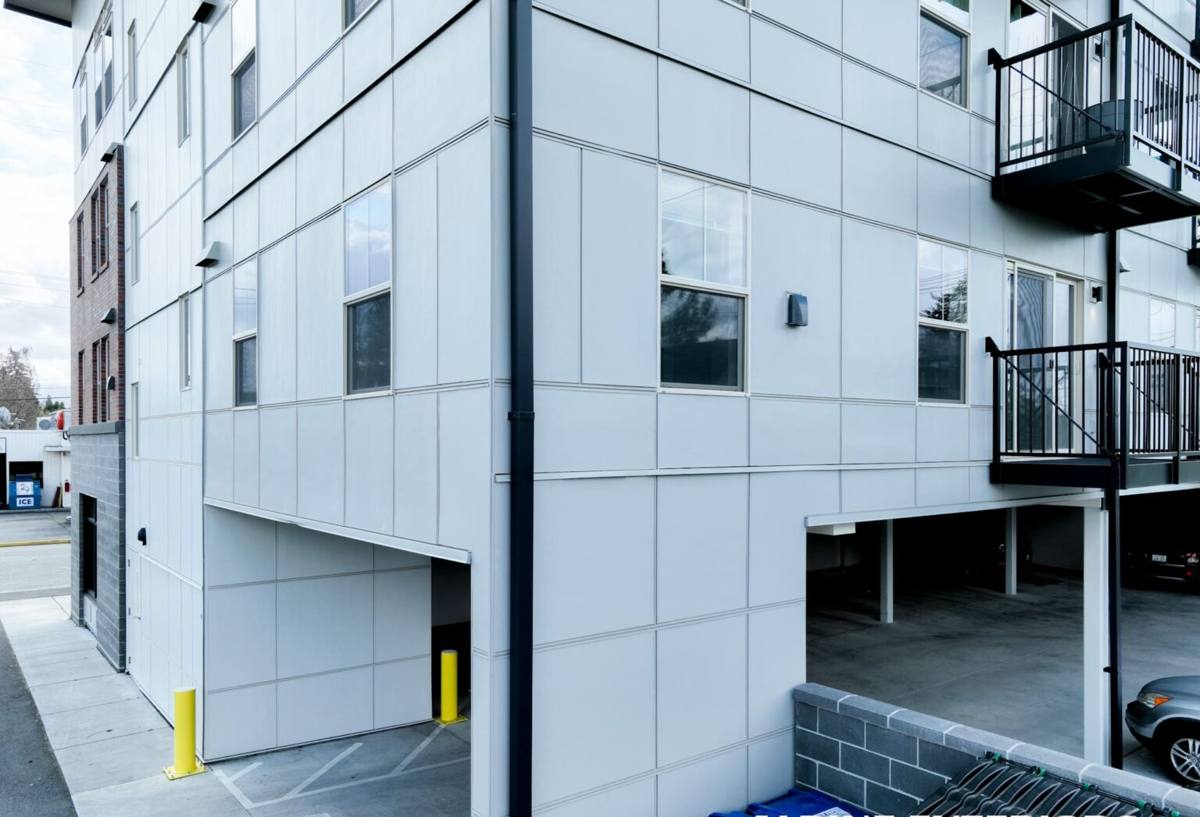
Why Board & Batten Is Popular Here — and Why It's Unforgiving
The vertical lines and shadow gaps from the battens give a home real depth and texture, and it pairs well with the mix of traditional and contemporary architecture going up around Cordata. But the same design feature that makes it attractive — raised battens over butted panel seams — creates dozens of linear feet of vertical joints per elevation. Each one is a potential path for water if it isn't flashed, fastened, and sealed correctly.
Horizontal lap siding sheds water almost by accident, because gravity pulls it down and off the next course. Board and batten doesn't get that same free pass. Water that hits a wall in driving rain runs down the face of the panel and battens, and if there's no drainage plane behind the cladding, it finds any gap in the caulking or fastening pattern and works its way in. In a climate that gets sustained wind-driven rain off the Sound, that difference matters.
What Cordata's Climate Actually Does to Siding
Driving Rain and Wind-Loaded Walls
Storms coming off the water don't just fall straight down — they push rain sideways into west- and south-facing walls. Board and batten's vertical seams are directly in the path of that wind-driven water, which is why proper flashing behind every batten and a functioning rainscreen gap behind the panels aren't optional details, they're the difference between a wall that dries out and one that stays damp.
Salt Air
Even set back from the water, homes in this part of Whatcom County get airborne salt that accelerates corrosion on fasteners, trim flashing, and any metal components in the wall assembly. Stainless or coated fasteners rated for coastal exposure aren't a luxury upgrade here — they're what keeps a board and batten wall from developing rust streaks and loosening battens years before it should.
Moss and Sustained Moisture
Cordata's tree cover and long wet season mean north-facing and shaded walls stay damp for extended stretches. Moss and algae need exactly that: moisture and shade. On board and batten, the horizontal ledges created by battens and panel joints are where organic growth gets a foothold first, and once moss anchors into a seam it holds moisture against the substrate behind it.
What a Correct Board & Batten Installation Involves
A lot of the visual difference between a board and batten job that looks good for two years and one that looks good for twenty comes down to what's happening behind the panels, not the panels themselves.
- A drainage gap (rainscreen): A furring strip or engineered drainage mat behind the siding lets any moisture that gets past the cladding drain and dry out instead of sitting against the wall sheathing.
- Weather-resistant barrier, lapped correctly: House wrap or building paper installed shingle-style, with every seam and penetration taped or flashed so water is directed out, not in.
- Flashing at every horizontal transition: Window and door heads, water tables, and any place a horizontal trim board meets vertical siding needs metal or manufactured flashing, not just caulk.
- Correct fastening pattern: Panels and battens fastened per the manufacturer's engineering — not just wherever a stud happens to line up — with corrosion-resistant fasteners suited to a coastal climate.
- Proper joint spacing and sealant: Panel-to-panel gaps sized and sealed per spec, not tight-butted, so the material has room to move with temperature and moisture changes without cracking the seal.
- Bottom clearance: Siding held up off decks, patios, and grade so it isn't wicking moisture from below.
Skip any one of these and the siding can still look right for a season or two. The problems show up later, as trapped moisture, soft trim, or streaking at the seams — usually well after the crew that installed it has moved on.
Why We Only Install James Hardie for Board & Batten
We don't install board and batten in vinyl, LP SmartSide, primed spruce, or cedar. That's not a marketing position — it's a decision based on what holds up under the conditions described above.
Wood board and batten looks great on day one, but raw or primed wood is exactly the kind of organic material that moss and algae colonize fastest, and it needs a repaint and recaulk cycle to stay protected. In a climate with this much sustained moisture, that maintenance window shrinks. Engineered wood products close some of those gaps but are still wood-based at the core, which means they're still vulnerable if water gets past the finish at a cut edge or fastener point. Vinyl board and batten is low-maintenance in one sense, but it's a thin material that can warp with sun exposure, doesn't hold paint if you ever want to change the color, and the batten profiles are typically hollow, which changes how they perform in wind-driven rain.
James Hardie fiber cement is our standard because it's non-combustible, dimensionally stable in a wet climate, and doesn't feed moss and mold the way wood-based products can. The ColorPlus factory finish is baked on and warranted against fading and peeling, which matters on a style like board and batten where every batten line is a visible edge that shows wear first. For vertical applications we work with HardiePanel vertical siding paired with Hardie's batten trim, or the Artisan board and batten collection where a more refined, tighter-reveal look is wanted. Both are engineered for exactly this kind of climate and back it with a strong transferable warranty.
Comparing Board & Batten Material Options in This Climate
| Material | Moisture & Moss Resistance | Maintenance | Coastal Fastener/Finish Concerns |
|---|---|---|---|
| James Hardie fiber cement | High — won't rot, resists moisture damage when installed to spec | Occasional wash; factory finish, no repainting cycle | Use manufacturer-specified fasteners; ColorPlus finish is warranted |
| Cedar / primed spruce | Low to moderate — organic material, prone to moss/rot without upkeep | Repaint/reseal every few years, more with shade and moisture | Fasteners and finish both need coastal-rated upgrades |
| LP SmartSide (engineered wood) | Moderate — better than raw wood, still wood-core and edge-vulnerable | Field-applied paint needs monitoring at seams and cuts | Cut edges need sealing to prevent moisture entry |
| Vinyl | Won't rot, but hollow batten profiles change wind/water behavior | Low, but can't be repainted; fades and can warp in sun | Fastening is looser by design to allow expansion, which affects wind performance |
How Our Cordata Board & Batten Projects Work
Every job starts with a walk-around of the home, checking existing siding condition, trim, flashing, and any moisture or moss patterns already showing on the walls — those tell us a lot about which elevations need the most attention during install. From there:
- Assessment and measurement: We look at wall orientation relative to prevailing wind and rain, existing sheathing condition, and any areas with active moss or water staining.
- Tear-off and sheathing check: Old siding comes off and we inspect the sheathing underneath for rot or damage before anything new goes up — covering a problem is worse than finding one.
- Weather barrier and rainscreen installation: House wrap, flashing at every penetration, and a drainage gap behind the panels.
- Hardie panel and batten installation: Installed and fastened to manufacturer spec, with corrosion-resistant fasteners and correct joint spacing throughout.
- Final detailing and inspection: Trim, caulking at appropriate joints (not as a substitute for flashing), and a walkthrough before we call it finished.
Maintenance Checklist for Board & Batten in Cordata
Even a correctly installed Hardie board and batten system benefits from basic seasonal attention, especially given how long the wet season runs here:
- Rinse or soft-wash siding annually to keep moss and algae from getting established, particularly on shaded, north-facing walls
- Check gutters and downspouts before the fall rains so water isn't overflowing onto siding below
- Keep landscaping and tree limbs trimmed back from walls to let siding dry out between rain events
- Inspect caulked joints (around windows, trim, and penetrations) yearly for cracking or separation
- Look for any staining or dark streaking at batten seams, which can signal a flashing or sealant issue worth catching early
Why Hire a Crew That Already Works in Cordata
Board and batten installation isn't uniform from one climate to the next, and a crew that mostly installs in drier regions may not default to the flashing and drainage detailing that Whatcom County's rain and moss season actually require. Working regularly in and around Bellingham means we already know which elevations in a neighborhood like Cordata tend to hold moisture, how local wind patterns load a wall during a storm, and what fastener and flashing specs actually perform here over the long run — not just on paper. That local pattern recognition is part of what separates a board and batten installation that looks good in photos from one that's still performing correctly in ten years.
If you're considering board and batten siding for a home in Cordata, we're glad to take a look and walk you through what your specific walls need. Reach out for a free, no-pressure estimate using the form below.