 Bellingham Siding
 Storm Damage Roof Repair in Edgemoor
Edgemoor sits close to Bellingham Bay, which means the homes here take a different kind of weather beating than houses a few miles inland. Wind off the water, salt-laden air, and long stretches of driving rain put real stress on roofing materials year after year. When a storm rolls through and knocks loose shingles, lifts flashing, or drives water where it shouldn't go, the fix needs to account for that exposure — not just patch the visible damage and move on.
This page covers what storm damage roof repair actually looks like for an Edgemoor home: what to check for after a wind or rain event, how a correct repair is done, and why local experience with this specific stretch of Whatcom County coastline matters more than it might seem.
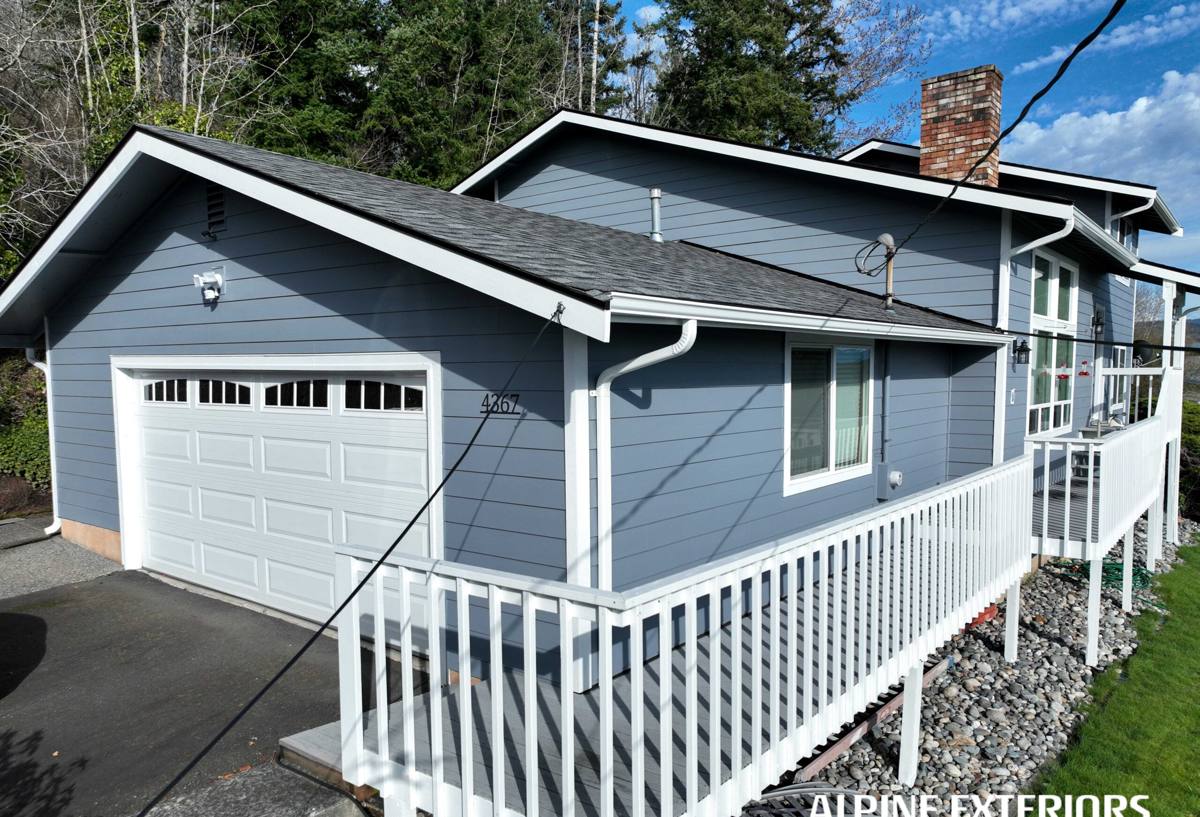
Why Edgemoor's Location Changes the Repair Calculus
Edgemoor's proximity to the bay brings a few specific challenges that a roofer working purely inland wouldn't think twice about:
- Salt air exposure accelerates corrosion on exposed metal — flashing, fasteners, gutter hardware, and vent caps age faster here than they would a few miles east.
- Wind-driven rain off the water doesn't just fall straight down; it gets pushed sideways under shingle edges, around chimney flashing, and into any gap that would stay dry in a calmer storm.
- Tree cover in and around Edgemoor's older, established lots means more limb strikes during windstorms, plus the moss and organic debris that comes with heavy shade.
- Elevation and slope on some Edgemoor lots create wind funneling effects around rooflines, which can concentrate damage on specific edges or ridges rather than spreading it evenly.
None of this means an Edgemoor roof needs exotic materials or unusual construction. It means the repair has to be done with local weather patterns in mind — the wrong fastener, an underlayment lap that's an inch too short, or flashing that isn't properly lapped will show its weakness here faster than it would in a drier, calmer climate.
Common Storm Damage We See After Wind and Rain Events
Wind Damage
Bellingham storms regularly bring gusts strong enough to lift or crease shingle tabs, especially on older roofs where the sealant strip has already weakened from years of sun and moisture cycling. Once a tab is lifted, it rarely reseals on its own — it stays vulnerable to the next storm and to water intrusion in the meantime.
Flashing Failure
Flashing around chimneys, skylights, and roof-to-wall transitions is usually the first thing to fail in a coastal windstorm. Salt air speeds up corrosion on older galvanized flashing, and once it's compromised, water finds its way in even without visible shingle damage.
Debris and Limb Strikes
Edgemoor's mature tree canopy is part of the neighborhood's character, but it also means branches and limbs come down in wind events. A direct strike can crack shingles, dent metal roofing, or puncture underlayment in ways that aren't obvious from the ground.
Moss and Organic Buildup Weakening the Roof Surface
This one isn't a single storm event, but it compounds storm damage. Bellingham's long wet season and shaded lots let moss and algae take hold on roof surfaces, and moss holds moisture against shingles far longer than bare granules would. A roof already softened by trapped moisture is more likely to suffer real damage in the next windstorm, and moss growth can also mask early signs of storm wear until it's more serious.
Gutter and Drainage Damage
Heavy, sustained rain can overwhelm gutters that are already clogged with needles and debris, causing water to back up under the roof edge rather than draining away. This is a slower, quieter form of storm damage but one of the most common causes of hidden rot along fascia and eaves.
What a Correct Storm Damage Repair Actually Involves
A repair that only addresses what's visible from the ground is a repair that will need to be redone. Here's what we check and do on every storm damage call in Edgemoor:
- Full roof inspection, not just the reported spot. Wind damage is rarely limited to one area — we check all slopes, valleys, and penetrations before starting any repair.
- Interior check for water intrusion. Attic spaces and ceiling lines below the damaged area tell us whether water has already gotten past the roof surface, which changes the scope of the repair.
- Matching materials, not just patching. Shingle color and profile shift over time with sun exposure, so we source the closest reasonable match and set expectations honestly if an exact match isn't available.
- Proper flashing repair or replacement, not just resealing with caulk. Caulk over failed flashing is a short-term cover-up, not a repair — we replace flashing that's corroded or improperly lapped.
- Underlayment inspection at the damage site. If wind has torn shingles away, the underlayment underneath is often exposed and needs its own assessment.
- Gutter and drainage check as part of the same visit, since drainage problems are frequently connected to the storm event that caused the visible damage.
Our Process for Edgemoor Storm Calls
1. Initial Assessment
We start with a visual inspection from the ground and, where safe, on the roof itself. Storms can leave a roof structurally compromised in ways that aren't safe to walk until we've assessed it — we won't put a crew member on a roof that isn't stable.
2. Documentation
We document the damage clearly, which matters if you're filing an insurance claim. Photos and a written scope of the actual damage — not an inflated or padded estimate — give you what you need for that conversation.
3. Temporary Protection When Needed
If a repair can't happen immediately — parts on order, weather not cooperating, insurance approval pending — we can put temporary protection in place to keep water out in the meantime. This isn't a substitute for the real repair; it buys time to do the job right.
4. The Repair Itself
We complete the repair using materials suited to Bellingham's coastal conditions — corrosion-resistant fasteners and flashing, proper underlayment laps, and shingle installation that accounts for wind-driven rain rather than just straight-down rainfall.
5. Follow-Up Check
For larger repairs, we recommend a follow-up look after the next significant storm to confirm everything is holding as expected, particularly on older roofs where one repair sometimes reveals a second weak spot nearby.
Repair vs. Replacement: How We Help You Decide
Not every storm-damaged roof needs full replacement, and not every roof is a good candidate for another patch repair. The honest answer depends on the roof's age, how much of the surface is affected, and what condition the rest of the roofing system is in.
| Factor | Leans Toward Repair | Leans Toward Replacement |
|---|---|---|
| Roof age | Under 12-15 years, materials still in good shape | Nearing or past expected lifespan for the material |
| Extent of damage | Isolated to one section or slope | Spread across multiple slopes or recurring in different spots |
| Underlying condition | Underlayment and decking intact | Signs of rot, widespread moss damage, or prior water intrusion |
| Storm history | First significant damage event | Repeated storm damage over recent years |
| Material match | Close match to existing shingles available | Discontinued or badly weathered material makes matching impractical |
We'll walk you through where your roof lands on these factors and give you a straight answer rather than steering you toward the more expensive option by default.
What Edgemoor Homeowners Can Check After a Storm
Before calling anyone, there are a few safe things you can look for from the ground:
- Shingle pieces or granules collecting in gutters or on the ground around the house
- Visible gaps, lifted edges, or missing shingles when viewed from the yard or street
- New or growing water stains on interior ceilings, especially near chimneys or skylights
- Sagging or uneven rooflines, which can indicate structural stress
- Fallen limbs or debris resting on the roof surface
- Gutters pulling away from the fascia or overflowing during rain
If you see any of these signs, avoid walking the roof yourself — wet or storm-damaged roofing is more slippery and less stable than it looks, and a professional inspection is a safer and more accurate way to scope the actual damage.
Why a Crew That Already Works Edgemoor Matters
Storm damage repair isn't just about roofing technique in the abstract — it's about knowing how this specific pocket of Bellingham behaves in weather. A crew that regularly works Edgemoor and the surrounding Whatcom County coastline already understands how wind moves off the bay, which roof orientations tend to take the brunt of a storm, and how quickly moss and moisture problems develop under the tree cover common to this neighborhood. That familiarity means fewer surprises, a faster and more accurate assessment, and repair choices that are built for how this area actually weathers, not a generic approach borrowed from a drier climate.
It also means responsiveness. After a significant storm, roofing crews get busy fast, and homeowners dealing with active leaks don't have time to wait on a contractor learning the area from scratch. Local availability and local knowledge go hand in hand here.
Get a Free, No-Pressure Estimate
If your Edgemoor home has storm damage — or you just want a professional set of eyes on your roof after a recent windstorm — we're happy to take a look. The estimate is free, there's no pressure to move forward, and you'll get a straight answer about what your roof actually needs. Use the form below to get started.