 Bellingham Siding
 Roofing in Fairhaven Has to Answer to the Bay
Fairhaven sits close enough to the water that a roof here does more work than the same roof would inland. Salt-laden air off the bay accelerates corrosion on fasteners, flashing, and vent caps. Driving rain off Puget Sound tests every lap, seam, and penetration on a shingle roof, not just once in a storm but dozens of times a season. And the shade from mature trees combined with the long stretch of wet, mild weather that defines Whatcom County winters gives moss and algae months on end to get established. None of this means asphalt shingles are the wrong choice for a Fairhaven home — they remain one of the most practical, cost-effective roofing materials available. It means the installation details that get skipped on an easier job in a drier climate can't be skipped here.
A roof that looks fine from the street can still be losing the battle underneath. Granule loss, soft spots around chimneys, and slow leaks into an attic often show up gradually, which is exactly why so many roofs in this area fail quietly before anyone notices a drip inside the house.
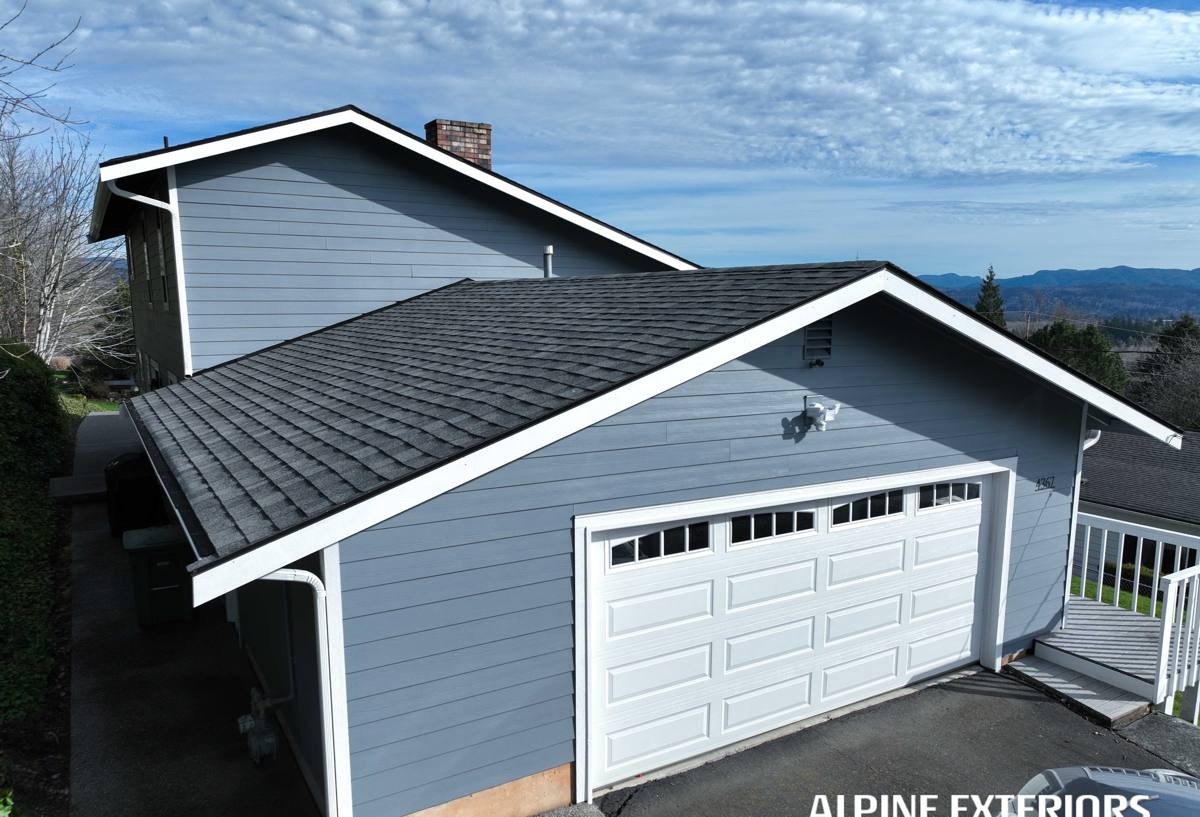
What a Correct Asphalt Shingle Job Actually Involves
Asphalt shingle work looks simple from a distance, and that's part of the problem — it's easy to do a version of the job that looks acceptable for a year or two and then fails early. A correct installation for a coastal, high-moisture climate involves several layers working together, not just shingles nailed to plywood.
Underlayment and Water Barriers
The underlayment beneath the shingles is what protects the deck if wind-driven rain gets past the shingle surface, which it will eventually on any roof exposed to storms off the water. Self-adhered ice-and-water barrier at eaves, valleys, and around penetrations gives a second line of defense in exactly the spots where leaks actually start. Synthetic underlayment across the rest of the field holds up better over time than older felt products in a consistently damp climate.
Flashing That's Built for Salt Air
Flashing around chimneys, skylights, sidewalls, and roof-to-wall transitions is where most leaks originate — not out in the open field of shingles. In a salt-air environment, the corrosion resistance of the flashing metal and fasteners matters more than it would ten or twenty miles inland. We flash for the exposure this location actually has, not the minimum a code inspector would accept somewhere drier.
Ventilation
A shingle roof needs balanced intake and exhaust ventilation to let the attic breathe. Without it, moisture from the house gets trapped, condenses on the underside of the deck, and rots sheathing from the inside — a problem that has nothing to do with rain hitting the shingles at all. In a climate this wet, poor attic ventilation shortens a roof's life just as fast as bad flashing does.
Nailing Pattern and Fastening
Manufacturer nailing patterns exist for a reason, and shortcuts here (too few nails, nails placed too high, staples instead of nails) are one of the most common causes of early shingle blow-off in wind events. Given how often this area sees driving rain paired with gusty wind, fastening correctly the first time isn't optional.
Choosing Shingles for a Bay-Facing Home
Not every asphalt shingle product is built for the same conditions. For a Fairhaven home, we weigh moss and algae resistance, wind rating, and overall durability against the realistic budget most homeowners are working with.
| Shingle Type | Typical Lifespan | Best Fit For | Cost Factor |
|---|---|---|---|
| 3-tab (standard) | 15-20 years | Budget-driven projects, secondary structures | Lowest upfront cost, less wind and impact resistance |
| Architectural / laminate | 25-30 years | Most primary homes; better wind rating and appearance | Moderate cost, best overall value in this climate |
| Algae-resistant (copper/zinc granules) | 25-30 years | Shaded lots, north-facing slopes, moss-prone roofs | Small premium over standard architectural, pays off in maintenance |
| Impact-rated / heavier laminate | 30+ years | Homes prioritizing longevity and storm resistance | Higher upfront cost, may reduce long-term maintenance |
For most Fairhaven properties, an architectural shingle with algae-resistant granules is the practical middle ground — it costs a bit more than a basic 3-tab product but resists the moss and algae staining that this climate all but guarantees on a shaded roof, and it carries a stronger wind rating for the storms that come off the water.
Moss, Algae, and the Long Wet Season
Whatcom County's mild, wet winters are ideal growing conditions for moss and algae, and a shingle roof under tree cover or on a north-facing slope will show it faster than one in full sun. Left alone, moss doesn't just look bad — it holds moisture against the shingle surface, lifts shingle edges as it grows, and shortens the roof's usable life.
What Actually Helps
- Keeping overhanging branches trimmed back so the roof gets more sun and airflow
- Zinc or copper strips installed near the ridge, which release trace metals that inhibit moss growth as rain washes over the roof
- Algae-resistant shingle granules chosen at installation, which resist the staining that plain granules don't
- Gentle, low-pressure cleaning on a schedule rather than waiting until growth is heavy
What We Avoid
Pressure washing a shingle roof strips granules and shortens its life — it's a common shortcut that does more damage than the moss it's removing. We treat moss and algae control as an ongoing, low-impact maintenance item, not a one-time aggressive cleaning.
Our Process, Start to Finish
Inspection and Honest Assessment
We start by getting on the roof, not just looking at it from the ground. That means checking the deck for soft spots, evaluating flashing condition, checking attic ventilation and any signs of moisture inside, and being straightforward about whether the roof needs a repair or a full replacement. If a repair will genuinely hold up, we say so — a full tear-off isn't the right answer for every problem.
Tear-Off and Deck Inspection
When replacement is the right call, we remove the old roofing down to the deck rather than layering over it. That's the only way to actually see the condition of the sheathing underneath, replace any sections that have been compromised by past leaks, and start the new roof on a solid base.
Installation
Underlayment, ice-and-water barrier at vulnerable areas, properly detailed flashing, correct nailing, and balanced ventilation — done in that order, with attention to the details that matter most given this area's exposure to salt air and driving rain.
Cleanup and Final Walkthrough
We clear old material and debris from the property, run a magnetic sweep for stray nails, and walk the finished roof with the homeowner so there are no surprises about what was done.
Repair or Replace? Signs Worth Checking
A lot of roofs get replaced too early, and just as many get patched past the point where patching still makes sense. These are the signs we actually weigh when making that call:
- Granules collecting in gutters or at downspouts in noticeable amounts
- Shingles that are curling, cracking, or missing after a windstorm
- Soft or spongy spots underfoot when walking the roof
- Daylight visible through the roof deck from inside the attic
- Heavy moss growth lifting shingle edges rather than just sitting on the surface
- Staining or water marks on interior ceilings, especially near chimneys or valleys
- A roof approaching or past the manufacturer's expected service life for its shingle type
One or two of these items usually points to a repair. Several at once, especially combined with the roof's age, usually points to replacement being the more cost-effective path over the next several years.
Why Hiring a Crew That Already Works Fairhaven Matters
A lot of roofing problems in this area come from work done by crews unfamiliar with what this specific location asks of a roof — underlayment specs suited to a drier inland climate, flashing details that skip the extra corrosion resistance salt air calls for, or ventilation calculations that don't account for how consistently damp the air stays here. A crew that regularly works Fairhaven and the surrounding Bellingham neighborhoods has already seen which details hold up over the years and which ones fail early, and builds accordingly from the start rather than learning the hard way on someone's roof.
Local experience also means practical knowledge of the older homes common in this part of Bellingham — deck thicknesses, roof pitches, and access considerations that come up often here and that a crew working from a generic playbook may not anticipate.
Maintenance That Actually Extends the Roof's Life
Once a shingle roof is installed correctly, the maintenance that keeps it performing is straightforward:
- Keep gutters clear so water isn't backing up under the shingle edge, especially during the heaviest rain months
- Have moss and algae growth addressed early and gently rather than left to spread
- Trim back tree limbs that shade the roof or drop debris onto it
- Get a walk-on inspection every few years, and always after a significant windstorm
- Address small flashing or fastener issues promptly, before they turn into deck damage
None of this is expensive or time-consuming, but it's the difference between a shingle roof that reaches its full expected lifespan in this climate and one that starts failing years early.
If you're weighing a repair, a full replacement, or just want an honest read on where your roof stands, we're happy to take a look. The form below gets you a free, no-pressure estimate from a crew that already knows what Fairhaven roofs are up against.