 Bellingham Siding
 Deck Replacement for Sudden Valley Homes
Sudden Valley sits in a pocket of Whatcom County that puts real demands on an outdoor deck. Between the humidity coming off Lake Whatcom, the shade from mature trees on wooded lots, and the long stretch of wet months that define our corner of the Pacific Northwest, decks here age faster than they would in a drier climate. If your deck has started to feel soft underfoot, has boards cupping or splitting, or has railings that wobble more than they used to, you're not imagining it — you're looking at what Whatcom County weather does to wood and hardware over ten, fifteen, twenty years.
We're a Bellingham-based crew that works this area regularly, and we've built our replacement process around what actually fails on decks out here, not a generic checklist written for a drier climate somewhere else.
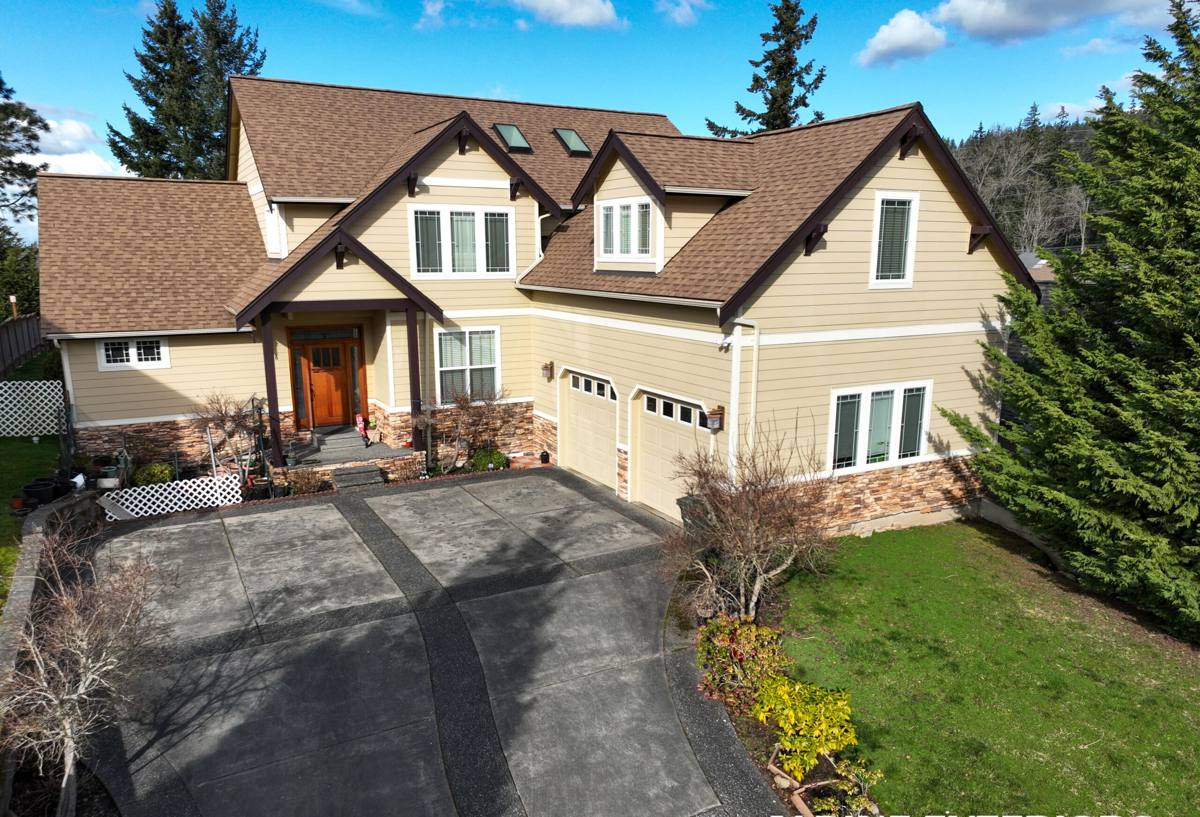
What Sudden Valley's Climate Does to a Deck
A few things combine to make this a tougher environment for outdoor structures than people expect:
Moisture that doesn't let up
Long stretches of driving rain, combined with proximity to the lake, mean decks here rarely get a full dry-out period during fall, winter, and early spring. Water works into fastener holes, board ends, and any spot where two pieces of wood meet. Once moisture is trapped instead of shedding, rot starts from the inside — often before it shows on the surface.
Moss and algae
Shaded, tree-covered lots that are common around Sudden Valley hold moisture longer and give moss a head start. Moss doesn't just look bad — it holds water against the deck surface, keeps boards from drying between rain events, and makes the walking surface slick and unsafe, especially on stairs and ramps.
Salt-tinged air off the lake and Sound
While Sudden Valley isn't right on saltwater, the broader Bellingham Bay air pattern still carries some salt influence inland, and it accelerates corrosion on any exposed metal — nails, screws, joist hangers, railing brackets. Corroded fasteners are one of the most common hidden causes of a deck that suddenly feels unsafe.
Temperature swings and freeze-thaw
Whatcom County doesn't get brutal winters, but we do get enough freeze-thaw cycling to open up small cracks in wood and concrete footings over time. Water gets into a crack, freezes, expands, and the crack gets a little bigger every year.
Signs Your Deck Needs Replacement, Not Just Repair
Not every deck problem means a full tear-off. But there's a point where patching stops making financial or safety sense. Here's how we sort it out during an inspection:
| Condition | Repair may be enough | Replacement is the right call |
|---|---|---|
| Soft or spongy decking boards | A few isolated boards, structure below is sound | Widespread softness, or softness at the framing/ledger |
| Ledger board attachment to the house | Flashing issue caught early, no wood decay | Rot at the ledger, missing or failed flashing, water staining on siding above |
| Railings and posts | Loose hardware, cosmetic wear | Rotted post bases, railings that flex under load |
| Footings and support posts | Minor surface cracking, structure level and stable | Heaving, settling, or posts not properly anchored to footings |
| Fasteners and hardware | Isolated corrosion, deck otherwise solid | Widespread rust staining, stripped screws, failing joist hangers |
| Moss and staining | Surface-level, boards otherwise firm | Moss has been present for years with no cleaning or maintenance |
The ledger board — where the deck attaches to your house — deserves special attention. It's one of the most common failure points on older decks in this climate, and it's also a structural connection, not a cosmetic one. If we find rot there, replacement of at least that section of framing is not optional.
What a Correct Deck Replacement Involves
A deck replacement done right is more than pulling old boards and nailing down new ones. For Sudden Valley properties, our process typically covers:
Full structural assessment
Before any demolition, we check the ledger connection, framing, footings, and post condition. This tells us whether the substructure can be reused or needs to come out along with the surface decking.
Proper ledger flashing
Where the deck meets the house is the single most important waterproofing detail on the whole structure. We install flashing that directs water away from the house framing, not into it — this is the detail that fails most often on older builds and causes hidden rot behind siding.
Footings and framing sized for the site
Sloped and wooded lots, which are common around Sudden Valley, sometimes call for adjusted footing depth or additional support depending on soil conditions and drainage. We size the frame to the deck's actual use — furniture, hot tubs, and gathering space all add real load.
Corrosion-resistant fasteners and hardware
Given the moisture and salt-air exposure here, we use fasteners and structural hardware rated for exterior, coastal-adjacent conditions. Cutting corners on hardware is the single easiest way to end up rebuilding a deck again in half the time it should have lasted.
Decking material suited to shade and moisture
We'll walk you through the real trade-offs between wood and composite decking for a shaded, moisture-heavy lot — upfront cost, maintenance requirements, moss resistance, and expected lifespan — so you're choosing based on how your specific lot behaves, not a showroom sample.
Proper spacing and drainage under the deck
Board spacing and airflow underneath the structure matter more here than in drier climates. Tight spacing traps moisture; correct spacing lets the deck actually dry between rain events, which is half the battle against rot and moss.
Decking Material Options for This Climate
There's no single "best" decking material — it depends on your budget, how much upkeep you want to do, and how shaded your lot is. Here's how the common options hold up around Sudden Valley specifically:
| Material | Moisture/moss behavior | Maintenance | Typical lifespan here |
|---|---|---|---|
| Pressure-treated wood | Needs sealing and cleaning to resist moss and rot on shaded lots | Annual cleaning, periodic sealing/staining | 10-15 years with upkeep |
| Cedar | Naturally moisture-resistant but still needs care in constant shade | Regular sealing to hold color and resist moss | 15-20 years with upkeep |
| Composite decking | Resists rot; moss can still grow on the surface film in deep shade and needs washing | Occasional washing, no sealing/staining | 25-30+ years |
On heavily shaded, tree-covered lots — which describes a lot of Sudden Valley properties — composite is often the lower-maintenance long-term choice, but we'll give you an honest cost-per-year comparison rather than steering you toward the higher upfront price without context.
Our Process, Start to Finish
- On-site inspection. We check framing, ledger, footings, and hardware condition, and take measurements.
- Written estimate. You get a clear scope of work and pricing before anything is scheduled — no surprise add-ons mid-project.
- Permitting where required. Whatcom County and local jurisdictions may require permits for deck replacement depending on size and height; we handle that paperwork.
- Demolition and disposal. Old decking, framing, and hardware removed and hauled off — your yard isn't left with a pile of old lumber.
- Framing and flashing. Structural work and ledger flashing installed correctly the first time.
- Decking, railing, and stairs installed. Built to code, with attention to spacing and drainage.
- Final walkthrough. We go over the finished deck with you before calling the job done.
Why a Crew That Already Works Sudden Valley Matters
Deck replacement isn't a one-size-fits-all job. A crew that regularly works Sudden Valley and the surrounding Bellingham area already understands the site conditions that matter here — shaded lots, moisture patterns off the lake, and the freeze-thaw and moss challenges that come with a long Whatcom County wet season. That means fewer surprises during the inspection phase and a build that's specified correctly the first time, instead of a generic deck plan pulled off a national template.
There's also a practical side: a local crew can respond quickly if something needs a follow-up look, knows which suppliers stock the right corrosion-resistant hardware locally, and isn't guessing at how a design will hold up through a Bellingham winter — we've seen it happen on other decks in the area.
Questions to Ask Before Hiring a Deck Contractor
- Do you carry current liability insurance and workers' compensation coverage?
- Will you pull the required permit, or is that left to me?
- What fastener and hardware grade do you use, and is it rated for exterior/coastal-adjacent exposure?
- How will you flash and seal the ledger board where the deck meets my house?
- What's the expected timeline, including permit and inspection windows?
- Do you provide a written warranty on labor, separate from the manufacturer's material warranty?
- Can you walk me through why you're recommending a specific decking material for my lot?
Cost Factors for Sudden Valley Deck Replacement
Every deck is different, and we won't quote a number without seeing the site, but the main cost drivers we run into around here are:
| Factor | Why it affects cost |
|---|---|
| Deck size and shape | Square footage and complexity of the layout (multiple levels, angles, built-in seating) |
| Decking material | Pressure-treated wood, cedar, and composite carry different material costs and install labor |
| Structural condition found | Rotted framing, ledger, or footings discovered during demo add scope |
| Height and railing requirements | Taller decks need more substantial railing systems and stair construction |
| Site access | Sloped, wooded, or tight-access lots around Lake Whatcom can add labor time |
| Permitting | Local permit and inspection requirements vary by project size |
We give you the real range up front and flag anything that could change scope — like ledger rot we can't see until demo starts — before we proceed, not after.
Ready for an Honest Look at Your Deck?
If your Sudden Valley deck is showing its age — soft spots, moss buildup, wobbly railings, or just years of wear from our wet Whatcom County climate — we're happy to come take a look. The estimate is free, there's no pressure, and you'll get a straight answer about whether you need a full replacement or something less. Use the form below to get started.