 Bellingham Siding
 Roofing in York: A Neighborhood With Its Own Climate Demands
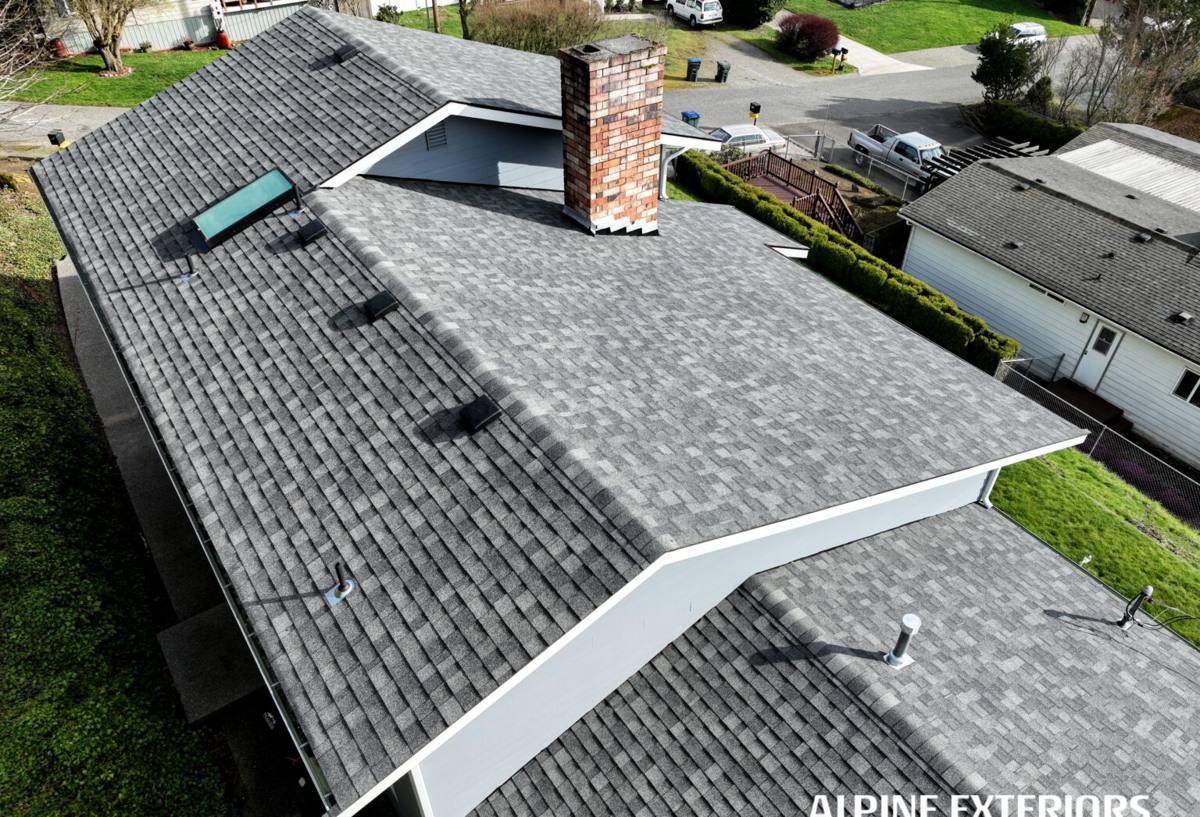
York is one of Bellingham's older, established residential neighborhoods, and that means a lot of the homes here are carrying roofs that have already been through a few decades of Whatcom County weather. Asphalt shingle roofing remains the most practical choice for the majority of houses in this area — it's cost-effective, well-understood by insurers, and when installed correctly it holds up to what our climate throws at it. But "installed correctly" is doing a lot of work in that sentence, and it's the reason we focus this page specifically on York rather than treating every Bellingham roof the same way.
Homes in this part of the city sit close enough to Bellingham Bay to catch salt-laden air on a regular basis, while also getting the same driving, wind-pushed rain and long gray stretches that define western Whatcom County winters. That combination is harder on a roof than either factor alone. Salt air accelerates corrosion on exposed metal fasteners and flashing, while sustained wet weather keeps shingles saturated for days at a time and feeds moss growth in shaded, north-facing sections of roof. A shingle roofing job in York needs to be built with both of those pressures in mind from day one, not patched around later.
What Bellingham's Climate Actually Does to a Shingle Roof
Salt Air and Corrosion
Proximity to the water means airborne salt settles on roofing components over time. Untreated or low-grade fasteners, exposed nail heads, and cheaper flashing metals are the first things to show it — pitting, rust streaking, and eventually failure at the exact points where a roof needs to stay sealed. This is why fastener and flashing selection matters more here than it would on a roof fifty miles inland.
Driving Rain and Wind-Driven Moisture
Bellingham doesn't just get rain, it gets rain pushed sideways off the bay during winter storms. That kind of wind-driven moisture finds its way under shingles that are underlaid or lapped incorrectly, and it tests roof edges, valleys, and any place two roof planes meet. A roof that would perform fine in a calmer climate can leak here if the underlayment and flashing details were done to a minimum standard instead of a regional one.
Moss and Shaded, Slow-Drying Sections
Whatcom County's long moss season is one of the most consistent complaints we hear from York homeowners. Moss doesn't just look bad — it holds moisture against the shingle surface, works its way under shingle tabs as it grows, and gradually lifts and loosens them. North-facing slopes and roof sections shaded by mature trees, which are common in this older neighborhood, are the areas that need the most attention.
What a Correctly Installed Asphalt Shingle Roof Includes
A roof that's going to hold up under York's conditions isn't just "shingles nailed to plywood." Every layer underneath the shingles is doing part of the job, and skipping or downgrading any of them is where premature leaks and moss problems usually trace back to.
- Ice-and-water shield at eaves, valleys, and roof penetrations — the areas most exposed to standing water and wind-driven rain
- Synthetic or felt underlayment across the full roof deck as a secondary moisture barrier
- Corrosion-resistant flashing at chimneys, skylights, sidewalls, and valleys, matched to the salt-air exposure of the site
- Proper nailing pattern and fastener count per shingle, using fasteners rated to resist corrosion rather than the cheapest available
- Balanced attic ventilation so heat and moisture don't build up under the deck and shorten shingle life from underneath
- Drip edge at eaves and rakes to direct water off the roof instead of behind the fascia
Every one of these steps is standard trade practice — none of it is exotic or upgraded beyond what a quality install should include. The difference between a roof that lasts and one that doesn't is almost always whether these steps were actually done, and done in the right sequence, rather than whether a fancier shingle was used.
Choosing Shingles That Make Sense for This Neighborhood
Not every asphalt shingle product is built the same, and in a neighborhood with York's mix of moss exposure and salt air, that difference shows up faster than it would elsewhere.
| Shingle Type | Typical Lifespan | Best Fit For |
|---|---|---|
| Standard 3-tab | 15-20 years | Budget-driven projects, rental properties, simple roof planes |
| Architectural (laminate) | 25-30 years | Most York homes — better wind resistance and a heavier profile that holds up to driving rain |
| Algae-resistant (AR) architectural | 25-30 years | Shaded, north-facing, or tree-covered lots where moss and algae are a recurring issue |
| Impact-rated / premium architectural | 30+ years | Homeowners planning to stay long-term who want maximum wind and weather margin |
For most homes in this neighborhood, we point people toward architectural shingles with algae-resistant granules. The upcharge over standard 3-tab is modest, and the payoff is a roof that resists the moss and algae staining that's otherwise almost guaranteed on a shaded York roof within a handful of years.
Repair, Partial Replacement, or Full Tear-Off?
Not every roof problem in York calls for a full replacement, and we won't tell you it does. The honest answer depends on the roof's age, how it was originally installed, and how widespread the damage or wear actually is.
When Repair Makes Sense
Isolated flashing failures, a handful of storm-damaged shingles, or a leak traced to one specific penetration can often be repaired without touching the rest of the roof — as long as the surrounding shingles are still in reasonable condition and the roof isn't near the end of its service life.
When Full Replacement Is the Right Call
If the underlayment has failed broadly, if moss has been lifting shingles across multiple sections, or if the roof is original to an older York home and already past its expected lifespan, patching individual spots just delays a bigger cost and risks interior water damage in the meantime. We'll walk the roof, explain what we're seeing, and give you a straight recommendation either way.
Our Process for a York Roofing Project
- On-site inspection — we walk the roof (or use a ladder and close visual inspection where walking isn't safe), check the attic for ventilation and moisture signs, and document existing damage
- Written scope and estimate — a clear breakdown of what's being replaced or repaired, which materials are specified, and why, with no vague line items
- Material delivery and site protection — landscaping, siding, and gutters are protected before tear-off begins
- Tear-off and deck inspection — old roofing is removed and the deck is checked for soft spots or rot before anything new goes down
- Underlayment, flashing, and shingle installation — installed to manufacturer specification and adjusted for this site's sun/shade exposure and wind exposure
- Cleanup and final walkthrough — magnetic sweep for nails, debris haul-away, and a walkthrough so you can see the finished work before we consider the job done
Why Hiring a Crew That Already Works York Matters
Roofing crews that work across the whole region tend to install to a generic standard and move on. A crew that regularly works in York and the surrounding Bellingham neighborhoods knows which roof orientations in this specific area collect moss fastest, which older homes tend to have undersized attic ventilation, and which flashing details need extra attention because of how close the neighborhood sits to the bay. That local pattern recognition doesn't replace good installation practice — it sharpens where that practice gets applied first.
It also matters for practical reasons: a local crew can get to your property faster for a warranty check or a post-storm inspection, and they're accountable to a neighborhood they'll keep working in for years, not a one-time job three counties away.
Maintaining Your Roof After Installation
A well-installed shingle roof still needs a bit of upkeep to hit its full lifespan in this climate. A simple checklist covers most of what matters:
- Clear gutters and downspouts at least twice a year so water doesn't back up under the roof edge
- Have moss growth treated or gently removed before it spreads under shingle tabs, rather than after
- Trim back tree limbs that keep sections of roof shaded and slow to dry
- After major windstorms, do a visual check (from the ground or a photo) for lifted or missing shingles
- Schedule a roof inspection every few years, even without an obvious problem, to catch flashing or fastener issues early
If you're in York and dealing with an aging roof, ongoing moss problems, or just want an honest read on how much life your current shingles have left, we're happy to come take a look. Estimates are free, there's no pressure, and you'll get a straight answer about what your roof actually needs — use the form below to get started.