 Bellingham Siding
 Roof Repair Built for Barkley's Weather, Not a National Checklist
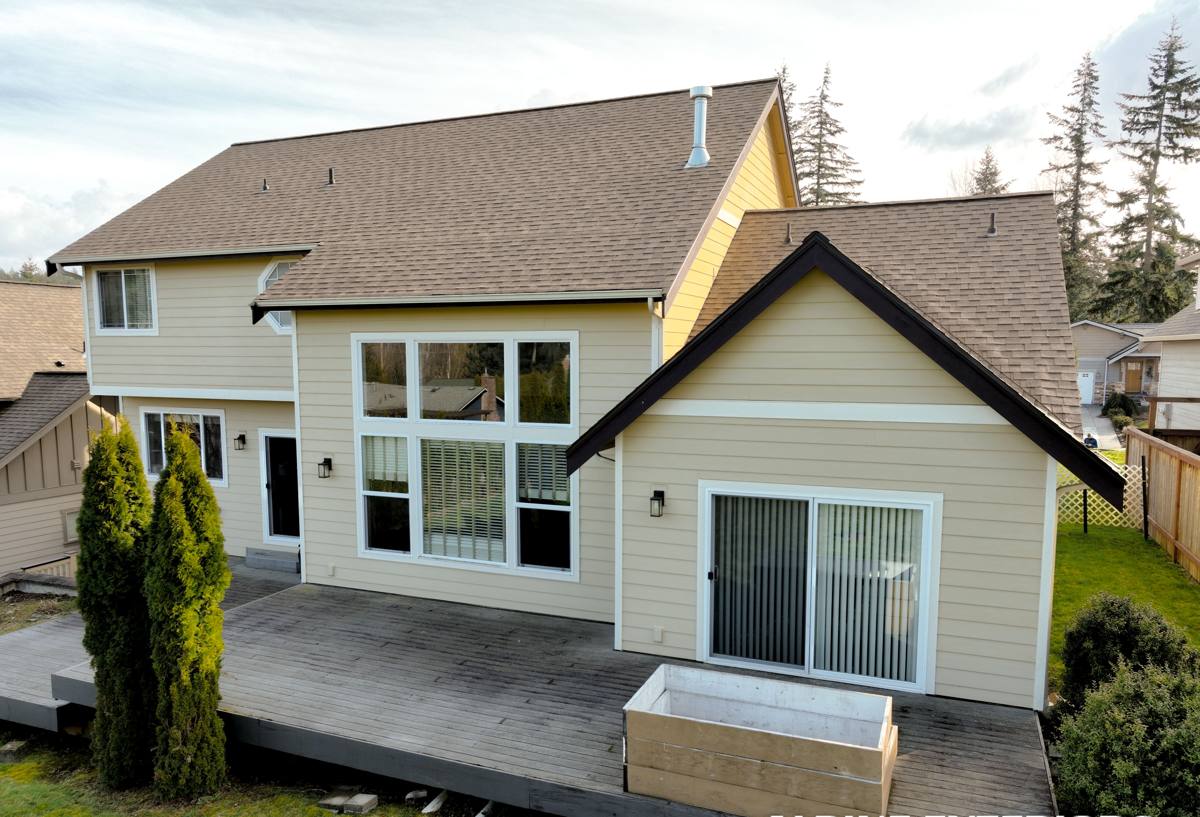
Barkley homes sit close enough to the water and the tree line that their roofs take a different kind of beating than a roof out on the open prairie or in a dry climate. Salt-laden air off Bellingham Bay, long stretches of driving rain, and a moss season that can run most of the year all work on a roof at once. A repair that ignores any one of those factors tends to fail again within a season or two. Our approach starts with understanding what's actually attacking the roof, not just patching the spot where water showed up inside the house.
This page covers roof repair specifically for Barkley — what the local climate does to roofing materials here, what a repair should actually include, and how we handle the work from first call to final walkthrough.
What Bellingham's Climate Does to a Barkley Roof
Salt Air and Metal Fasteners
Proximity to the water means airborne salt settles on roofing surfaces year-round. Over time it accelerates corrosion on exposed metal — nail heads, flashing, vent stacks, and gutter hardware are all vulnerable. A repair that reuses corroded fasteners or thin flashing without upgrading it is a repair that's already on a shorter clock than it should be.
Driving Rain and Wind-Driven Water
Bellingham doesn't just get rain — it gets rain pushed sideways by wind off the water often enough that roofs here need details built for wind-driven moisture, not just water falling straight down. Underlayment laps, flashing overlaps, and valley details all matter more here than in calmer climates, because water gets pushed uphill under shingles that would otherwise shed it fine.
Moss, Shade, and a Long Growing Season
Barkley's tree cover keeps a lot of roofs shaded for much of the day, and that shade combined with Whatcom County's mild, wet climate gives moss a long window to establish itself. Moss doesn't just sit on the surface — it holds moisture against the roofing material, works under shingle tabs and shakes, and can lift edges enough for water to find a path underneath. A roof that looks fine from the ground can already have moss doing damage at the granule and fastener level.
Signs a Barkley Roof Needs Repair, Not Just a Cleaning
Some problems are obvious from inside the house. Others show up on the roof itself long before there's a ceiling stain. Worth checking for or asking about:
- Moss growth thick enough to hold visible moisture, especially on north-facing or shaded slopes
- Granules collecting in gutters or at downspout outlets — a sign of shingle wear
- Curling, cracked, or lifted shingle edges, particularly on slopes that catch the most wind
- Rust streaks or visible corrosion around flashing, vents, or metal valleys
- Soft spots or slight sagging when walked on, which can indicate sheathing damage underneath
- Water stains on interior ceilings or in the attic near chimneys, skylights, or wall intersections
- Daylight visible through the roof deck from inside the attic
- Gutters pulling away from the fascia or overflowing during normal rain, which points to blocked or damaged flashing above
Any one of these on its own might be minor. Two or three together usually mean the roof has more going on than a surface issue.
What a Correct Roof Repair Actually Involves
Diagnose Before Touching Anything
The first step is finding where water is actually getting in, which is not always where it shows up inside. We trace the path — checking flashing, valleys, penetrations, and shingle condition around the affected area — before deciding what needs to be replaced versus what's still sound.
Address the Cause, Not Just the Symptom
Replacing a few shingles over a soft spot without fixing the underlying flashing or underlayment just delays the next leak. A proper repair matches the fix to the actual failure: corroded flashing gets replaced with new material rated for coastal exposure, damaged underlayment gets cut back and re-laced properly, and any sheathing that's gone soft from prolonged moisture gets replaced before new roofing goes over it.
Match Materials Where It Matters
For visible repairs on an otherwise intact roof, we work to match existing shingle color and profile as closely as the market allows, since patched sections that stand out reduce curb appeal and can be a flag to future buyers that repair work was done. Where exact matches aren't available, we'll tell you honestly rather than promise a seamless blend we can't deliver.
Moss and Algae Treatment as Part of the Job
If moss or algae contributed to the damage, cleaning it off and stopping there just resets the clock on the same problem. We remove growth using methods that don't strip granules or damage the roofing surface, and where it makes sense, install zinc or copper strips near the ridge — rain washing over these metals inhibits regrowth lower on the slope, which is a proven, low-maintenance way to slow moss return in a climate like this one.
Common Barkley Roof Repairs
| Repair Type | Typical Cause in Barkley | What the Fix Involves |
|---|---|---|
| Flashing replacement | Salt-air corrosion, age, or original installation shortcuts | Remove old flashing, replace with corrosion-resistant material, re-seal properly |
| Shingle section replacement | Wind lift, moss-related lifting, or granule loss from age | Remove damaged shingles, inspect underlayment, install matched replacements |
| Valley repair | Concentrated water flow wearing through material faster than open slopes | Replace valley liner and adjacent shingles, confirm proper overlap |
| Sheathing repair | Prolonged moisture intrusion softening the roof deck | Cut out and replace affected decking before new roofing goes back on |
| Moss and algae treatment | Shade, humidity, and a long wet season | Safe removal plus zinc/copper strip installation to slow regrowth |
How Our Roof Repair Process Works
- Inspection and diagnosis. We get on or above the roof to trace the actual source of the problem, not just look at the symptom.
- Honest scope and estimate. You get a clear explanation of what's damaged, what's still sound, and what the repair will involve — no upsell to a full replacement unless the roof genuinely needs one.
- Repair work. We fix the cause first — flashing, underlayment, or sheathing — then restore the visible roofing surface.
- Cleanup and walkthrough. We clear debris, check gutters and downspouts near the repair area, and walk you through what was done.
Repair or Replace? What to Weigh
Not every damaged area means the whole roof is done. But repairing the wrong roof repeatedly can end up costing more than one well-timed replacement. A few honest factors we walk through with homeowners:
| Factor | Leans Toward Repair | Leans Toward Replacement |
|---|---|---|
| Roof age | Well within expected lifespan for the material | At or past the material's typical service life |
| Damage extent | Isolated to one section or penetration | Spread across multiple slopes or recurring in different spots |
| Underlying deck | Sheathing is sound where inspected | Soft or damaged sheathing found in more than one area |
| Repair history | First or second repair on this roof | Same areas have needed repeated fixes |
| Moss/algae condition | Manageable with cleaning and prevention | Growth has caused widespread granule loss or lifting |
We'll never push a full replacement when a targeted repair will genuinely hold up. If a repair isn't the right long-term call, we'll explain exactly why before recommending anything more expensive.
Why a Crew That Already Works Barkley Matters
Roofing crews that mostly work drier inland climates sometimes underestimate what wind-driven rain and near-constant moss pressure do to a roof over time. A crew that regularly works Barkley and the surrounding Bellingham area already knows which details need extra attention here — flashing at valleys and penetrations, fastener corrosion resistance, and moss prevention that actually accounts for how much shade and moisture the neighborhood's tree cover creates. That familiarity shows up in repairs that hold up through a full Whatcom County winter, not just until the next atmospheric river event.
It also means faster, more accurate diagnosis. When we've already seen how a particular roof style or age group in this area tends to fail, we spend less time guessing and more time fixing the actual problem.
Get a Straight Answer on Your Barkley Roof
If you're dealing with a leak, visible moss buildup, or damage after a storm, we're happy to take a look and give you an honest read on what it needs — repair, prevention work, or nothing urgent at all. Reach out for a free, no-pressure estimate using the form below, and we'll walk you through what we find in plain terms.