 Bellingham Siding
 Why Birch Bay Siding Has to Work Harder Than Inland Siding
Birch Bay sits right on the water, and that changes what a homeowner needs from their siding. Homes here take on a combination that inland Whatcom County properties rarely see in the same intensity: salt-laden air off the Strait of Georgia, wind-driven rain that hits walls sideways instead of falling straight down, and long stretches of gray, damp weather that keep north- and west-facing walls wet for days at a time. Add in shade from mature trees on many lots, and you get a near-perfect environment for moss and algae to take hold on anything less than a fully sealed, climate-rated cladding.
This is not a generic siding page. It's specific to what Birch Bay properties need from James Hardie fiber cement siding, how we install it to hold up against this exact climate, and why a crew that already works this stretch of coastline is worth choosing over one that doesn't.
What Salt Air, Driving Rain, and Moss Actually Do to Siding
Salt air isn't just a nuisance — it's chemically corrosive. Airborne salt settles on exterior surfaces and accelerates the breakdown of fasteners, trim, and any coating that isn't formulated to resist it. Over years, that means premature rusting of exposed metal, chalking or fading of lower-grade paint finishes, and coatings that fail years ahead of schedule.
Driving rain is a different problem: water forced sideways by wind gets pushed into seams, laps, and butt joints that would stay dry in calmer conditions. If flashing, caulking, and clearances aren't done correctly, that water finds its way behind the siding and into the wall assembly, where it causes rot, mold, and insulation damage long before anything looks wrong from the street.
Moss and algae are the visible symptom of all that moisture. Shaded, damp walls in Birch Bay stay wet longer after storms than sunnier exposures, and organic growth on siding isn't just cosmetic — it holds moisture against the surface and accelerates whatever underlying material is failing beneath it.
Why This Matters for Material Choice
Wood siding absorbs moisture and needs a maintained paint film to stay ahead of rot. Vinyl doesn't rot, but it expands and contracts with temperature swings, its seams and J-channels are a common path for wind-driven water intrusion, and it can't be refinished — once it fades or chalks from salt exposure and UV, it's replaced, not restored. Engineered wood products depend entirely on an intact factory coating and careful field-cutting to keep raw edges sealed; any lapse in that discipline in a wet, salty climate shortens their service life. None of these are unreasonable products in the right setting — they're just a poor match for a waterfront exposure like Birch Bay's.
Why We Only Install James Hardie Here
We install James Hardie fiber cement exclusively — not vinyl, not LP SmartSide, not Cemplank, Allura, primed spruce, or cedar. That's a deliberate standard, not a sales pitch. Fiber cement is non-combustible, dimensionally stable across temperature and humidity swings, and doesn't rely on an organic core that can absorb water and break down. Combined with the ColorPlus factory finish — a baked-on, UV- and salt-resistant coating applied under controlled conditions rather than brushed on-site — it's the product that best matches what Birch Bay's exposure demands.
James Hardie also engineers its siding by climate zone, and homes in this region fall into the HZ5 category — the line built for wetter, harsher climates with added moisture resistance. That's not marketing language; it's a real difference in the substrate formulation compared to the HZ10 product sold in drier, milder parts of the country. Installing the wrong zone product, or installing the right product incorrectly, erases most of that advantage.
James Hardie's transferable limited warranty is also part of the equation. A strong warranty only means something if the installation underneath it was done to spec — which is why the install details below matter as much as the product itself.
What Correct Installation Looks Like in a Coastal Climate
Most siding failures we see traced back to installation, not the product. In a wind-and-rain exposure like Birch Bay's, a few details matter more than usual:
- Weather-resistive barrier and flashing sequencing: Every penetration, window, and door needs flashing integrated with the water-resistive barrier in the correct shingle-lap order, so water is always directed outward and down, never trapped behind the cladding.
- Correct fastener placement and type: Hardie specifies fastener type, spacing, and embedment depth precisely. In salt air, corrosion-resistant fasteners aren't optional — the wrong fastener is often the first thing to fail, leaving telltale rust streaks and a compromised seal.
- Proper clearances: Manufacturer-specified clearance from grade, roofing, and decks keeps splash-back and standing water away from the bottom edge of the siding, which is the most exposed part of any wall.
- Sealed field cuts: Any cut edge made on-site exposes raw fiber cement that needs to be primed or sealed per Hardie's instructions before it's closed in — skipping this is a common shortcut that shows up as edge deterioration years later.
- Ventilation behind the cladding: A properly furred or vented rainscreen assembly lets any incidental moisture that does get past the surface dry out, instead of sitting against the sheathing.
None of this is unique to Birch Bay in principle, but the margin for error is smaller here. A minor flashing gap that might go unnoticed for a decade inland can show water staining within a season or two on a wall that takes direct wind-driven rain off the water.
Choosing the Right Hardie Product Line for a Waterfront Property
James Hardie makes several profiles, and the right one depends on the home's style and exposure as much as personal preference.
| Product | Typical Use | Coastal Consideration |
|---|---|---|
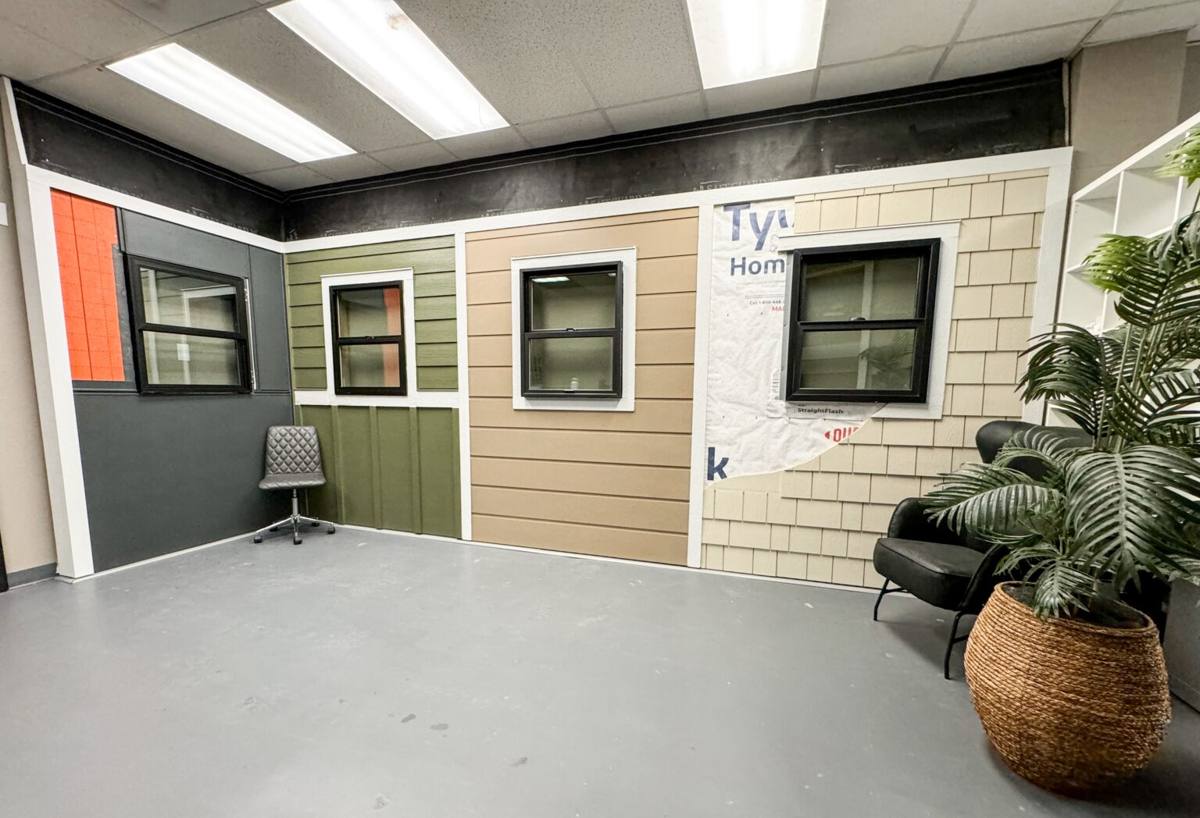
| HardiePlank lap siding | Most common residential profile, traditional horizontal look | Widely used and well-proven here; needs correct lap exposure and fastening for wind-driven rain |
| HardiePanel vertical siding | Modern look, board-and-batten style, accent walls | Fewer horizontal laps means fewer joints for water to find, a real advantage on exposed elevations |
| HardieShingle siding | Shingle-style or coastal cottage aesthetic | More seams than lap siding, so flashing and underlayment detail is especially important here |
| HardieTrim boards | Corners, fascia, window and door trim | Should be paired with the siding, not mixed with wood trim that ages and weathers differently |
ColorPlus finishes come in a range of coastal-appropriate tones, and because the color is baked on at the factory rather than field-applied, it holds up to salt exposure and UV noticeably better than a job-site paint job — with less risk of an uneven finish from on-site conditions.
Our Process, Start to Finish
- On-site assessment: We walk the exterior, check the existing wall assembly and any signs of moisture damage, and note wind exposure by elevation — the ocean-facing side of a Birch Bay home often needs different detailing than the leeward side.
- Product and color selection: We help match the right Hardie profile and ColorPlus color to the home's style and exposure, not just its curb appeal.
- Written estimate: A clear scope covering tear-off (if applicable), water-resistive barrier, flashing, siding, trim, and cleanup — no vague allowances.
- Prep and moisture check: Any existing rot or damaged sheathing is addressed before new siding goes on; covering up a wet wall is the single most common cause of early failure.
- Installation to manufacturer spec: Flashing, fastening, clearances, and field-cut sealing done to James Hardie's published installation requirements, which is also what keeps the warranty intact.
- Final walkthrough: We review the finished work with the homeowner and confirm everything matches the agreed scope.
Living With Hardie Siding in a Salt-Air, Moss-Prone Climate
One reason we like recommending Hardie here is how little upkeep it asks for compared to painted or organic-core alternatives. Still, no siding is entirely maintenance-free on a waterfront lot. A simple seasonal routine keeps it looking right and catches small issues early:
- Rinse the exterior once or twice a year with a garden hose to clear salt residue and organic buildup, especially on shaded, north-facing walls.
- Check and clear gutters before the fall rains so overflow doesn't run down the siding face.
- Trim back vegetation that keeps a wall shaded and damp — reducing shade is the single best defense against moss.
- Inspect caulking around windows, doors, and trim annually; caulk is a maintenance item even when the siding itself isn't.
- Look at the bottom courses near grade and decks periodically, since that's where splash-back and standing water are most likely to cause problems over time.
Cost Factors for Birch Bay Homes
We don't quote firm numbers without seeing the property, but the main variables that move a project's cost are consistent enough to lay out honestly:
| Factor | Why It Affects Cost |
|---|---|
| Existing wall condition | Hidden rot or moisture damage found during tear-off adds repair scope before new siding goes on |
| Home size and elevation complexity | More corners, dormers, and roof lines mean more flashing detail and labor time |
| Product line and profile | Lap, panel, and shingle-style Hardie products differ in material and installation labor |
| Trim and accent scope | HardieTrim, band boards, and accent panels add cost but also add durability and design detail |
| Access and site conditions | Waterfront lots with limited access or steep grades can add setup and staging time |
Why Local Experience in Birch Bay Specifically Matters
A lot of siding contractors can install James Hardie somewhere. Fewer have installed it repeatedly on homes that face direct wind off the water, in a climate where moss season runs long and salt exposure is a daily factor rather than an occasional one. That difference shows up in the details — where flashing gets extra attention, which elevations get the most conservative clearances, and how field cuts get sealed before they're closed in. A crew that already knows this stretch of coastline isn't guessing at those decisions; they're applying what they've already seen hold up, and what hasn't, on homes like yours.
If you're weighing a siding replacement or new construction siding in Birch Bay, we're happy to walk your property, look at your exposure and existing wall condition, and put together a straightforward estimate — no pressure, no obligation.