 Bellingham Siding
 Deck Repair Built for Birchwood's Weather, Not a Generic Climate
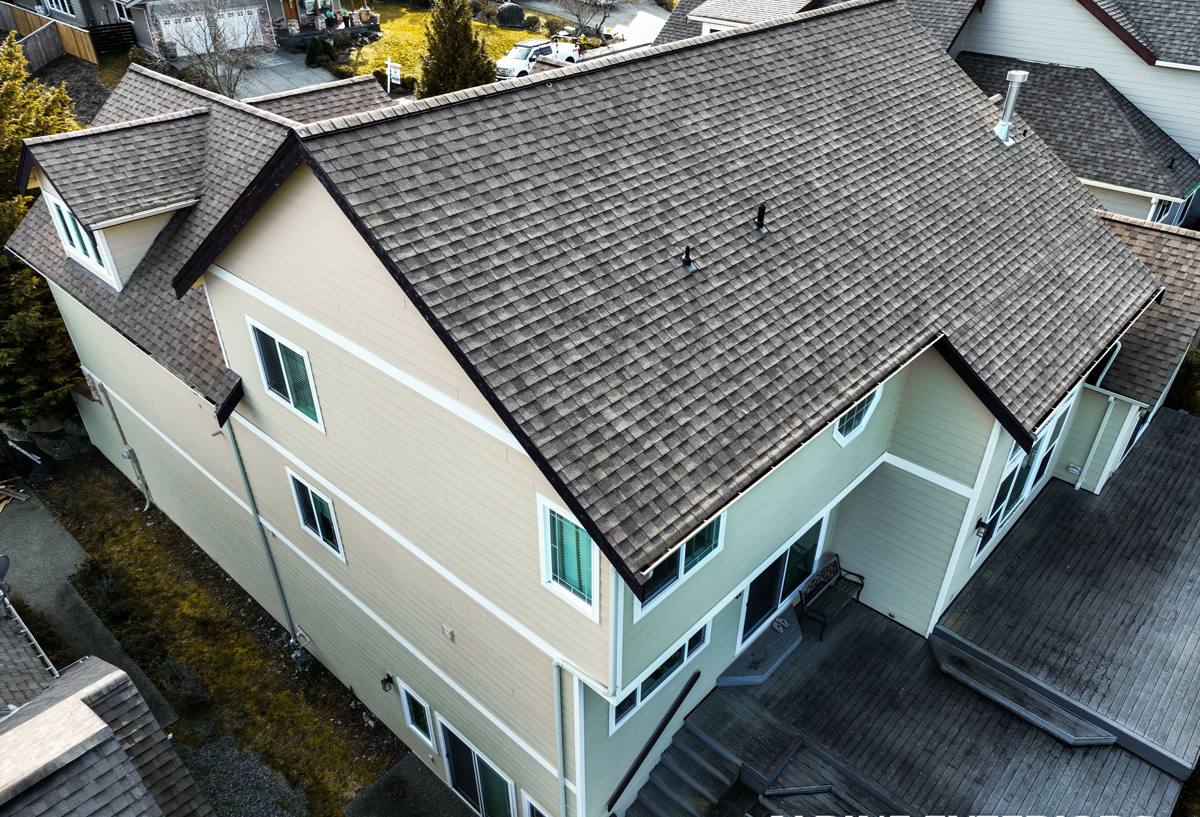
Birchwood decks take a different kind of beating than decks in drier parts of the country. Bellingham sits close enough to the water that salt-laden air reaches yards well inland, and Whatcom County's long stretch of overcast, drizzly months means wood and hardware stay damp for days at a time. Add a shaded lot, a north-facing yard, or trees dropping needles and leaves onto the deck surface, and you get the textbook conditions for moss, slow rot, and corroding fasteners. A deck repair here has to account for all of that, not just patch the board that finally gave out.
We work on decks throughout Birchwood and the rest of Bellingham regularly enough to know which failure patterns show up again and again in this specific climate. That matters, because the right repair depends on understanding why a deck failed, not just fixing what's visible on the surface.
Why This Climate Is Hard on Decks
Moisture that never fully leaves
Whatcom County doesn't get dramatic downpours as often as it gets long stretches of steady, low-intensity rain and dense fog. That pattern is worse for a deck than a hard storm followed by sun, because wood and connectors stay saturated for extended periods instead of getting a chance to dry out between rain events. Moisture that lingers is what drives rot, not moisture that comes and goes quickly.
Moss and organic buildup
Shaded decks, decks under tree cover, and north-facing decks in Birchwood grow moss and algae fast. Beyond looking bad, moss holds water directly against the decking surface and fastener heads, which accelerates decay right where you can't easily see it — underneath the growth itself.
Salt air and corrosion
Even a few miles inland from Bellingham Bay, salt-influenced air speeds up corrosion on nails, screws, joist hangers, and any exposed metal hardware. Corroded fasteners lose grip strength long before the wood around them shows obvious damage, which is why a deck can look mostly fine while its structural connections are quietly failing.
Freeze-thaw and seasonal movement
Whatcom County winters aren't extreme, but the region does get enough freeze-thaw cycling to widen small cracks in wood and concrete footings over time. A hairline crack that seems cosmetic in October can be a real problem by spring.
Common Repair Issues We See on Birchwood Decks
- Ledger board separation or rot — where the deck attaches to the house, often from missing or failed flashing letting water track behind the band board.
- Soft or spongy decking boards — usually concentrated on shaded sections or spots where debris collects and holds moisture.
- Corroded or failing fasteners — screws that spin freely, popped nails, or rusted joist hanger hardware.
- Post base rot — wood posts that sit in or near standing water at the base, a common issue on decks without proper post-to-concrete separation.
- Railing looseness — posts that flex or railings that have pulled away from the rim joist, often a safety issue before it's a cosmetic one.
- Stair stringer wear — stairs take more foot traffic and weather exposure than the deck surface itself, so they often fail first.
- Moss-driven surface decay — boards that look intact but are soft or delaminating under a layer of moss and algae.
Repair vs. Replace: How We Make That Call
Not every deck problem means a full rebuild, and not every repair is worth doing if the underlying structure is compromised. The honest answer depends on what's failing and where.
| Situation | Usually Repairable | Usually Needs Replacement |
|---|---|---|
| Isolated soft or damaged boards | Yes — spot replacement of individual boards | No, unless damage is widespread |
| Ledger board rot | Yes, if framing behind it is sound | If house framing/rim joist is also affected |
| Corroded fasteners, sound wood | Yes — hardware swap-out | No |
| Post base rot | Sometimes — sistering or post replacement | If multiple posts are affected structurally |
| Surface moss/graying, wood intact | Yes — clean, treat, refinish | No |
| Widespread soft framing (joists/beams) | Rarely cost-effective | Usually, yes |
| Deck older than 20-25 years with repeated issues | Case by case | Often the more economical long-term choice |
We'll always tell you when a repair is the right call and when it's just delaying a replacement you'll pay for twice. There's no reason to sell a homeowner a patch job on a deck that's structurally on its way out.
What a Correct Deck Repair Actually Involves
Start with the structure, not the surface
A repair that only replaces visible boards without checking the joists, ledger, and posts underneath is a cosmetic fix, not a real one. We pull decking where needed to inspect the framing directly, because rot and fastener failure both tend to start below the surface you can see.
Flashing gets fixed, not just covered
If the ledger board connection is the problem — and in this climate, it very often is — the flashing has to be corrected as part of the repair. Reattaching a ledger without addressing bad or missing flashing just sets up the same failure again in a few years.
Hardware matched to the exposure
Given the salt air and near-constant moisture in this area, we use fasteners and connectors rated for the exposure the deck actually sees, not whatever is cheapest. Mixing incompatible metals (for example, the wrong fastener with certain treated lumber or hardware coatings) accelerates corrosion rather than preventing it, so matching hardware correctly is part of doing the repair right.
Drainage and airflow
A repair is a good opportunity to improve what's making the deck fail in the first place — clearing debris traps, improving gaps between boards for drainage, and addressing shaded, damp areas where moss keeps coming back.
Materials: What We Use and Why
| Material | Where It Fits | Trade-Offs in This Climate |
|---|---|---|
| Pressure-treated lumber | Framing, structural repairs, budget-conscious board replacement | Durable and cost-effective, but still needs sealing/staining maintenance to handle constant moisture |
| Cedar | Board replacement where appearance matters and matching existing cedar decking | Naturally resists some decay, but requires more regular finish maintenance in a wet climate |
| Composite decking | Full or partial resurfacing, high-moss areas | Very low maintenance and resists moisture damage, but composite boards do still need occasional cleaning to prevent surface algae growth |
| Stainless or hot-dip galvanized hardware | All structural connectors and fasteners in repairs | Higher upfront cost than standard hardware, but the right call anywhere near salt air exposure |
We don't push composite as a universal answer just because it's low-maintenance — matching material to the specific board, the amount of shade the deck gets, and what the homeowner actually wants to maintain is part of doing an honest assessment.
Our Repair Process
- On-site inspection. We walk the full deck, check underneath where accessible, test boards and railings for movement, and inspect the ledger connection.
- Honest assessment. We tell you what's failing, why, and whether it's a repair or a sign of bigger problems ahead.
- Written estimate. Clear scope of work and pricing before anything starts — no surprise add-ons mid-job.
- The repair itself. Structural work first (framing, ledger, posts), then decking and railings, then hardware and finish work.
- Cleanup and walkthrough. We clear debris, remove old materials, and walk the finished repair with you.
Maintenance That Extends the Repair's Life
A good repair can be undone quickly by the same conditions that caused the original damage if the deck isn't maintained afterward. A few habits make a real difference for Birchwood homeowners:
- Sweep debris (leaves, needles, moss buildup) off the deck surface regularly, especially in shaded corners.
- Clean visible moss and algae before it spreads, rather than after it's covered a large section.
- Check gaps between boards periodically to make sure they haven't clogged with debris that traps water.
- Reseal or restain wood decking on a schedule appropriate to the product — don't wait until the finish has fully worn through.
- Look underneath the deck once or twice a year for signs of moisture staining, soft wood, or rust on hardware.
- Keep gutters and downspouts near the deck clear so runoff isn't draining directly onto or under it.
Why a Crew That Already Works in Birchwood Matters
Deck repair advice that works for a dry climate doesn't automatically apply here. A crew that regularly works Birchwood and the surrounding Bellingham area already knows which failure patterns are common on shaded, damp lots, understands how salt-influenced air affects hardware choices, and isn't guessing about what a "normal" repair timeline looks like given the region's rain and moss season. That local familiarity shows up in the details — the flashing detail that actually gets fixed, the hardware grade that gets specified, the areas of a deck that get extra scrutiny during inspection.
It also means a repair estimate reflects real conditions on the ground in Whatcom County, not a generic national average that doesn't account for how much longer wood stays wet here or how quickly moss reestablishes on a shaded deck.
Get an Honest Look at Your Deck
If your Birchwood deck has soft spots, loose railings, visible moss buildup, or you're just not sure whether it needs a repair or something bigger, we're happy to come take a direct look and give you a straight answer. The estimate is free, there's no pressure to commit to anything on the spot, and you'll know exactly what's going on before you decide how to move forward. Use the form below to get started.