 Bellingham Siding
 Window Replacement Built for Birchwood's Climate
Birchwood sits inside Bellingham, Whatcom County — close enough to the water and the surrounding hills that homes here take on a specific kind of weather punishment year-round. It's not one dramatic storm that wears out a window system; it's the steady grind of salt-tinged marine air, months of driving rain angled by wind off the Sound, and a moss season that seems to start earlier and last longer every year. Windows that aren't installed with that reality in mind don't fail overnight. They fail slowly, at the seams, and homeowners usually don't notice until there's already moisture damage behind the trim.
A window replacement in this neighborhood isn't just about picking a style you like out of a catalog. It's about matching the unit, the flashing details, and the sealing approach to a climate that will test all three every single winter.
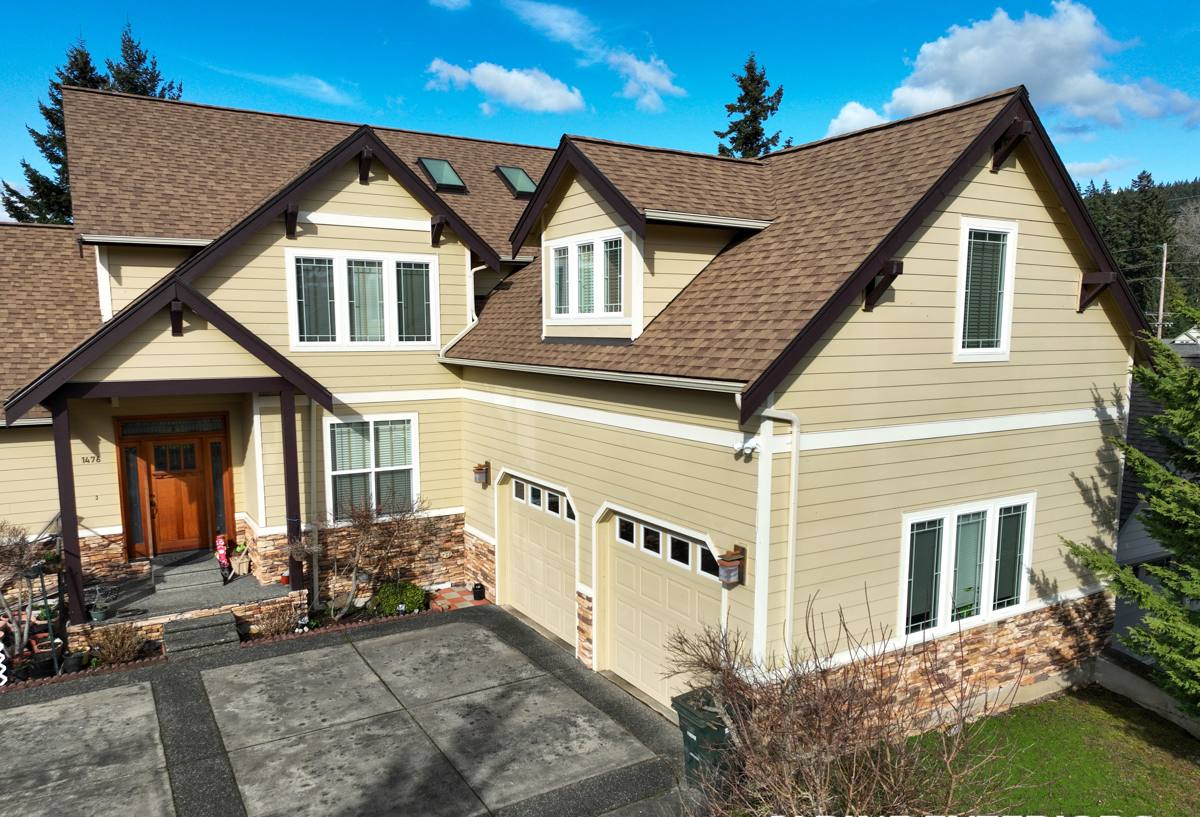
How Local Weather Actually Wears Down Windows
Salt Air and Metal Fatigue
Bellingham's proximity to Puget Sound means a fine mist of salt-laden air moves through the region regularly. Over years, that air accelerates corrosion on window hardware — hinges, locks, and cheaper aluminum components — long before the glass itself shows any problem. Homeowners often assume a window is "fine" because the glass is clear, while the hardware underneath has already started to seize or pit.
Driving Rain and Wind-Driven Moisture
Rain in this part of Whatcom County rarely falls straight down. Wind pushes it sideways against west- and south-facing walls, which puts real pressure on window seals and flashing details that a calmer climate would never test. A window that would perform fine in a dry inland town can leak here if the installation skipped proper flashing integration with the wall's water-resistive barrier.
Moss, Shade, and Prolonged Dampness
Many Bellingham lots carry mature trees and enough cloud cover that moss and algae get a long growing season. Moss holds moisture against exterior surfaces, including window sills and trim, keeping wood components damp far longer than they'd stay in a sunnier climate. That prolonged dampness is what actually causes rot — not a single wet day, but weeks of surfaces that never fully dry out.
Signs a Birchwood Home Is Ready for Window Replacement
Some warning signs are obvious. Others hide behind trim or blinds until they've been developing for a season or two. Walk your home and check for the following:
- Fogging or a permanent haze between panes — a sign the insulated glass seal has failed
- Soft or discolored wood on the interior or exterior sill and jamb
- Drafts you can feel near the frame on a windy day, even with the window latched
- Difficulty opening, closing, or locking — often corrosion or a warped frame
- Visible gaps between the window frame and the siding or trim
- Condensation that forms on the interior glass regularly, especially in winter
- Paint or finish that's bubbling, peeling, or staining near the window opening
- A noticeable rise in heating costs with no other explanation
One or two of these can sometimes be addressed with repair or re-caulking. Several together, especially soft wood or persistent moisture staining, usually mean the window and possibly some framing behind it need to come out.
What a Correct Window Replacement Job Actually Involves
The window unit itself is only part of the job. In a climate like this, the installation details matter as much as the product, and cutting corners here is exactly how new windows end up with old problems within a few years.
Removing the Old Window the Right Way
Removal should include an inspection of the rough opening — the framing, sheathing, and any existing flashing — before anything new goes in. This is the point where hidden rot or old, inadequate flashing usually gets found. Skipping this step and simply dropping a new window into a compromised opening just seals existing damage behind a new frame.
Flashing and Weatherproofing
Proper flashing integrates with the home's existing water-resistive barrier in a shingled, top-down sequence so water is always directed outward and downward, never trapped behind the window. Sill pans, head flashing, and correctly lapped side flashing matter more in a wind-driven-rain climate than almost anywhere else in the country.
Sealing, Insulation, and Fastening
Gaps around the frame should be insulated, not just caulked shut, to control both moisture and energy loss. Fasteners and shims need to hold the unit square and true — a window installed slightly out of square will bind, leak, or both, regardless of how good the window itself is.
Interior and Exterior Finish Work
Trim, casing, and caulking need to be finished cleanly on both sides, with attention to any siding or stucco transitions on the exterior. This is also where a crew unfamiliar with the home's specific siding type can do real cosmetic damage if they're not careful.
Choosing Materials That Hold Up Locally
There's no single "best" window material for every home — it depends on your budget, your home's style, and how much maintenance you're willing to do. But in a marine, high-moisture climate like Bellingham's, some trade-offs matter more than they would elsewhere.
| Material | How It Handles This Climate | Maintenance |
|---|---|---|
| Vinyl | Won't rot or corrode; performs well against moisture and salt air; expands/contracts with temperature swings | Low — occasional cleaning |
| Fiberglass | Very stable in temperature and moisture, holds paint well, strong resistance to warping | Low to moderate |
| Wood | Classic look, but needs a well-maintained exterior finish to resist the region's prolonged dampness and moss exposure | High — regular refinishing |
| Wood-clad (wood interior, metal or vinyl exterior) | Protects the vulnerable wood side from weather while keeping a traditional interior look | Moderate |
| Aluminum | Prone to corrosion in salt-influenced air and conducts cold, leading to condensation issues | Moderate, but corrosion risk over time |
We don't push one brand or material on every home. We do walk homeowners through these trade-offs honestly, including which options will need more upkeep down the road, so the decision fits the house and the budget rather than a sales script.
What Drives Cost on a Birchwood Window Job
Every home is different, so we don't quote firm numbers without seeing the house, but these are the factors that typically move a project's price up or down.
| Factor | Why It Matters |
|---|---|
| Number and size of windows | More openings and larger glass sizes mean more material and labor |
| Hidden rot or framing repair | Wet-climate homes more often need sill or framing repair discovered during removal |
| Window material and glass package | Vinyl, fiberglass, and wood-clad options carry different price points, and upgraded glass coatings add cost |
| Access and story height | Second-story or hard-to-reach windows take more time and equipment |
| Exterior finish complexity | Matching existing siding, trim, or stucco detail around each opening adds labor |
| Full-frame vs. insert replacement | Full-frame replacement (removing down to the rough opening) costs more but is often the right call when flashing or framing is compromised |
As a general guide, most single-window replacements on homes in this area run from the low hundreds into the low thousands per opening depending on these factors — a wide range on purpose, because the right answer depends on what we find once a window comes out.
Our Process, Start to Finish
1. On-Site Assessment
We look at each window from both sides, check for soft wood, drafts, and seal failure, and get a real sense of what's driving the need for replacement before we talk product.
2. Honest Recommendation
We'll tell you which windows genuinely need replacing now, which can wait, and which materials make sense for your home and budget — including the maintenance trade-offs, not just the upfront price.
3. Written, No-Pressure Estimate
You get a clear scope and price before any work begins. No surprise add-ons sprung on you mid-project.
4. Careful Removal and Inspection
Old windows come out carefully, and we inspect the opening before installing anything new — this is where hidden moisture damage gets caught and addressed, not covered up.
5. Installation with Proper Flashing and Sealing
New windows go in square, properly flashed, insulated, and sealed to handle wind-driven rain, not just installed "close enough."
6. Final Walkthrough
We check operation, sealing, and finish work with you before calling the job done.
Why It Matters to Hire a Crew That Already Works in Birchwood
A window installer who mostly works drier inland climates can do fine work and still install a window that leaks here within a couple of winters, simply because the flashing details that matter in Whatcom County's weather aren't the details they're used to prioritizing. A crew that regularly works in and around Bellingham neighborhoods like Birchwood already accounts for wind-driven rain patterns, salt-air corrosion on hardware, and the extended damp season that feeds moss and rot.
Local experience also means fewer surprises with permitting, typical framing and siding conditions found in this area, and realistic expectations about how weather can affect scheduling. It's the difference between a contractor guessing at what your climate demands and one who's already seen the failure patterns firsthand on homes near yours.
Living with New Windows in a Wet, Salt-Air Climate
Even a correctly installed window benefits from a little upkeep in this environment. Rinse accumulated grime and salt residue off frames and glass periodically, especially on sides exposed to wind and rain. Keep nearby vegetation trimmed back so moss and algae don't get a foothold on sills and trim. Check weep holes on vinyl and fiberglass frames occasionally to make sure they're clear, since blocked weep holes can trap water that should be draining away. None of this is heavy maintenance — it's the kind of basic care that helps a well-installed window actually reach its expected lifespan in a climate that doesn't let up.
Get a Straight Answer About Your Windows
If you're noticing drafts, fogging, or trim damage around your windows, it's worth getting an honest, no-pressure look before deciding what to do. We'll tell you plainly what we see, what it means, and what your realistic options are — no upsell, no guesswork. Use the form below to request a free estimate for your Birchwood home.