 Bellingham Siding
 Roofing Built for Columbia's Weather, Not Just Any Weather
Columbia sits close enough to Bellingham Bay that salt air is a real factor in how a roof ages, and far enough into the tree cover that moss and shade are just as much of a concern. Add in Whatcom County's long wet season and the wind-driven rain that comes off the water, and you've got a combination that punishes a roof installed to a generic, one-size-fits-all standard. An asphalt shingle roof done right for Columbia isn't a different product than what goes on a house in a drier climate — it's the same shingle installed with more attention to the details that matter here: underlayment coverage, ventilation, flashing, and fastening.
This page is specifically about asphalt shingle roofing for Columbia homes. If you're comparing materials or looking for general roofing information for the wider Bellingham area, that's a separate conversation. Here, we're talking about what actually happens to a shingle roof in this neighborhood's conditions and what it takes to do the job correctly the first time.
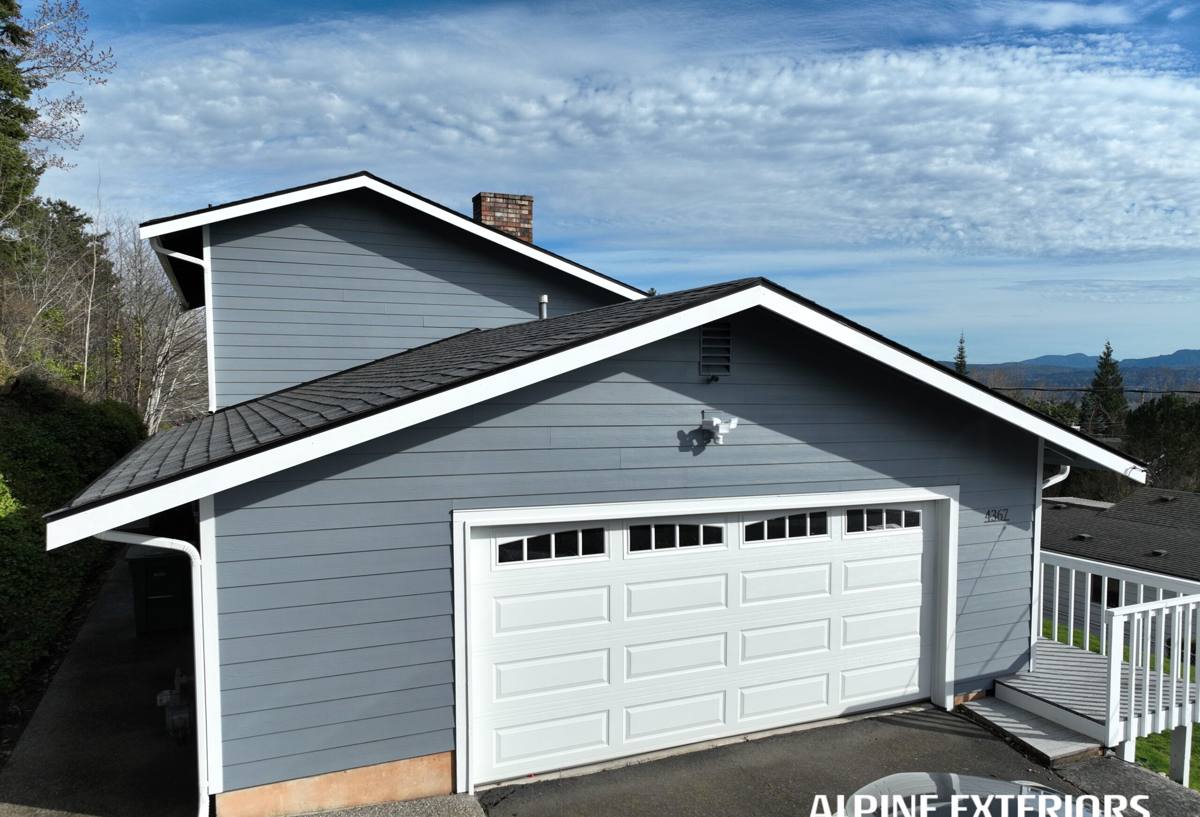
What Driving Rain, Salt Air, and Moss Actually Do to a Roof
Driving Rain and Wind-Driven Moisture
Whatcom County doesn't just get a lot of rain — it gets rain pushed sideways by wind coming off the bay and up through the valleys. That matters because a roof designed only to shed water straight down will let moisture creep up under shingle tabs and around penetrations like vent pipes and chimneys. Over time, wind-driven rain finds every gap in underlayment coverage and every short-cut in flashing work. On a standard-pitch roof this is manageable with correct installation; it's the roofs installed to minimum code, rather than to local conditions, that show water staining in the attic within a few years.
Salt Air and Metal Fatigue
Salt-laden air accelerates corrosion on exposed metal — flashing, roofing nails, vent caps, and gutter hardware. It's a slower process than the direct water damage from a leak, but it's steady. Galvanized fasteners and thin flashing that might hold up fine twenty miles inland can start showing rust streaks and pitting sooner in a neighborhood with regular exposure to salt-influenced air. This is one of the reasons material choice and fastener quality matter more here than in a lot of other parts of the state.
Moss, Shade, and Organic Growth
Columbia has enough mature tree cover that shaded roof sections stay damp longer after a rain than sections that get direct sun. That extended dampness is exactly what moss and algae need to take hold. Once moss establishes itself on a shingle roof, it holds moisture directly against the shingle surface, works its way under tab edges, and can lift shingles enough to let water underneath. A roof with poor ventilation or the wrong shingle for a shaded lot will show moss growth years before a properly ventilated, algae-resistant roof in the same yard.
What a Correctly Installed Asphalt Shingle Roof Involves
The shingle itself is only one part of the system. Most premature roof failures we see trace back to what's underneath or around the shingles, not the shingles themselves.
Underlayment and Ice-and-Water Barrier
A synthetic underlayment layer goes down across the full roof deck as the primary water barrier beneath the shingles. In vulnerable areas — eaves, valleys, and around roof penetrations — we add a self-adhering ice-and-water membrane. In a climate like this, valleys and eave edges are where wind-driven rain and ice dams (on the rare hard freeze) cause the most damage, so this isn't an optional upgrade in our process; it's standard practice for this region.
Ventilation
Balanced intake and exhaust ventilation keeps the attic space close to outdoor temperature and moisture levels. Without it, warm moist air from inside the house condenses against the roof deck, which rots sheathing from the inside and creates the damp conditions moss loves on the outside. A roof can have brand-new shingles and still fail early if the ventilation underneath is inadequate or unbalanced.
Flashing Details
Flashing around chimneys, skylights, sidewalls, and roof-to-wall transitions is where the majority of leaks actually originate — not out in the open field of shingles. Step flashing, counter-flashing, and properly lapped valley metal all have to be installed in the correct sequence with the underlayment and shingles, not just caulked into place after the fact. Caulk is a maintenance item, not a substitute for correct flashing.
Fastening and Nailing Pattern
Shingles rated for wind resistance only perform as rated if they're nailed in the manufacturer's specified pattern, with the correct nail length to fully penetrate the deck, and in the nailing zone printed on the shingle. Under-nailing or high-nailing are common shortcuts that don't show up as a problem until the first real windstorm off the bay.
Choosing the Right Shingle for Columbia Conditions
Not every asphalt shingle is a good fit for a shaded, salt-air-influenced lot. Here's how the common tiers compare for this specific setting:
| Shingle Type | Typical Lifespan Here | Best Fit For | Trade-Offs |
|---|---|---|---|
| 3-Tab Standard | Shorter end of the range | Budget-conscious replacements, secondary structures | Less algae resistance available, thinner profile shows wear sooner in shaded, damp spots |
| Architectural (Laminate) | Mid-to-long range | Most Columbia homes | Heavier, better wind rating, wider selection of algae-resistant options |
| Algae-Resistant (AR) Architectural | Long range, holds appearance longer | Shaded lots, north-facing slopes, tree-heavy yards | Slightly higher upfront cost, best value where moss pressure is high |
| Impact-Rated | Long range | Homes wanting added durability and possible insurance consideration | Higher material cost; benefit depends on your insurer and coverage |
For most homes in this neighborhood, we steer the conversation toward an architectural shingle with algae-resistant granules, especially on any slope that sits under tree cover for a good part of the day. It costs more upfront than a basic 3-tab but holds its appearance and performance longer under exactly the conditions Columbia deals with.
Our Process, Start to Finish
- Roof and attic assessment. We look at the shingle field, flashing, ventilation, and — where accessible — the attic side of the deck for moisture or rot signs before quoting anything.
- Straightforward estimate. You get a clear scope of work: tear-off, deck repair if needed, underlayment, flashing, ventilation, and shingle selection, with pricing tied to what your roof actually needs.
- Tear-off and deck inspection. Old roofing comes off down to the deck, and we check for soft or damaged sheathing before anything new goes down.
- Underlayment, ice-and-water barrier, and flashing installed in sequence. This is the part of the job that determines whether the roof stays dry for its full lifespan.
- Shingle installation to manufacturer nailing and exposure specs. Not shortcuts, not guesswork.
- Ventilation check and correction if needed. We won't install a new roof over ventilation we know is inadequate without flagging it first.
- Cleanup and magnetic sweep for stray fasteners. Your yard should look the way it did before we arrived, minus the old roof.
Signs Your Columbia Roof Needs Attention
- Moss or dark streaking building up on shaded slopes, especially north-facing sections
- Granules collecting in gutters or at downspout outlets
- Shingle tabs that are curling, cupping, or lifting at the edges
- Daylight visible through the roof deck from inside the attic
- Rust staining around flashing, vent caps, or exposed nail heads
- Soft or spongy spots when walking the roof, or sagging visible from the ground
- Water stains on interior ceilings, especially near chimneys, skylights, or exterior walls
- Roof age past 20 years with no major work done, particularly on a shaded lot
Maintenance in a Moss-Prone, Salt-Air Climate
Even a correctly installed roof benefits from basic upkeep in this environment. Keeping gutters clear prevents water from backing up under the lower courses of shingles, which is a common cause of eave rot that has nothing to do with the shingles themselves. Trimming back overhanging branches reduces both shade and debris buildup, both of which feed moss growth. Moss that's already established should be treated gently — physical scraping or pressure washing can strip granules and shorten shingle life faster than the moss itself would. A soft wash treatment and time is usually the better call. We're happy to advise on this even outside of a full roofing project.
What Affects the Cost of a Columbia Roofing Job
| Factor | Why It Matters |
|---|---|
| Roof size and number of slopes | More square footage and cut-up rooflines mean more material and labor time |
| Existing layers to remove | Tear-off of multiple old layers adds disposal and labor cost |
| Deck condition | Rotted or soft sheathing found during tear-off requires repair before new roofing goes on |
| Shingle tier selected | Standard, architectural, algae-resistant, and impact-rated shingles carry different material costs |
| Ventilation and flashing scope | Adding or correcting ventilation and flashing is worth the cost but affects the total |
| Roof pitch and access | Steeper or harder-to-access roofs take longer and require more safety setup |
We won't quote a number without seeing the roof — anyone who does is either guessing or lowballing to get the job, then finding "surprises" once they're up there. What we can promise is that the estimate you get reflects the actual condition of your roof, not a generic per-square rate.
Why Hire a Crew That Already Works in Columbia
A roofing crew that regularly works this neighborhood already knows which slopes tend to hold moss, how the local wind patterns off the bay stress a roof, and which flashing and fastening details matter most given the salt air and rain here. That's not something you get from a crew that mostly works drier, inland areas and treats Bellingham as just another stop. Local experience means fewer surprises during the job and a roof that's built for the conditions it actually has to survive, not the conditions on a generic spec sheet.
If you're weighing a repair against a full replacement, or just want an honest read on how much life is left in your current roof, we're glad to take a look. Request a free, no-pressure estimate using the form below and we'll walk you through what your Columbia home actually needs.