 Bellingham Siding
 Siding Repair Built for Columbia's Coastal Conditions
Homes in Bellingham's Columbia neighborhood deal with a specific combination of weather that most inland siding contractors never have to think about. Salt-laden air off Bellingham Bay slowly works on fasteners, flashing, and paint film. Driving rain off the water pushes moisture sideways into laps and joints instead of just falling straight down. And Whatcom County's long, damp moss season keeps north-facing walls and shaded siding wet for weeks at a stretch. None of that is dramatic on its own, but stacked together year after year, it's exactly the kind of slow damage that catches homeowners off guard — small problems that were easy to fix at year three become expensive by year ten.
Siding repair in this neighborhood isn't just about patching a hole or matching a color. It's about understanding why that section failed in the first place, and making sure the fix doesn't just hide the same problem for another season.
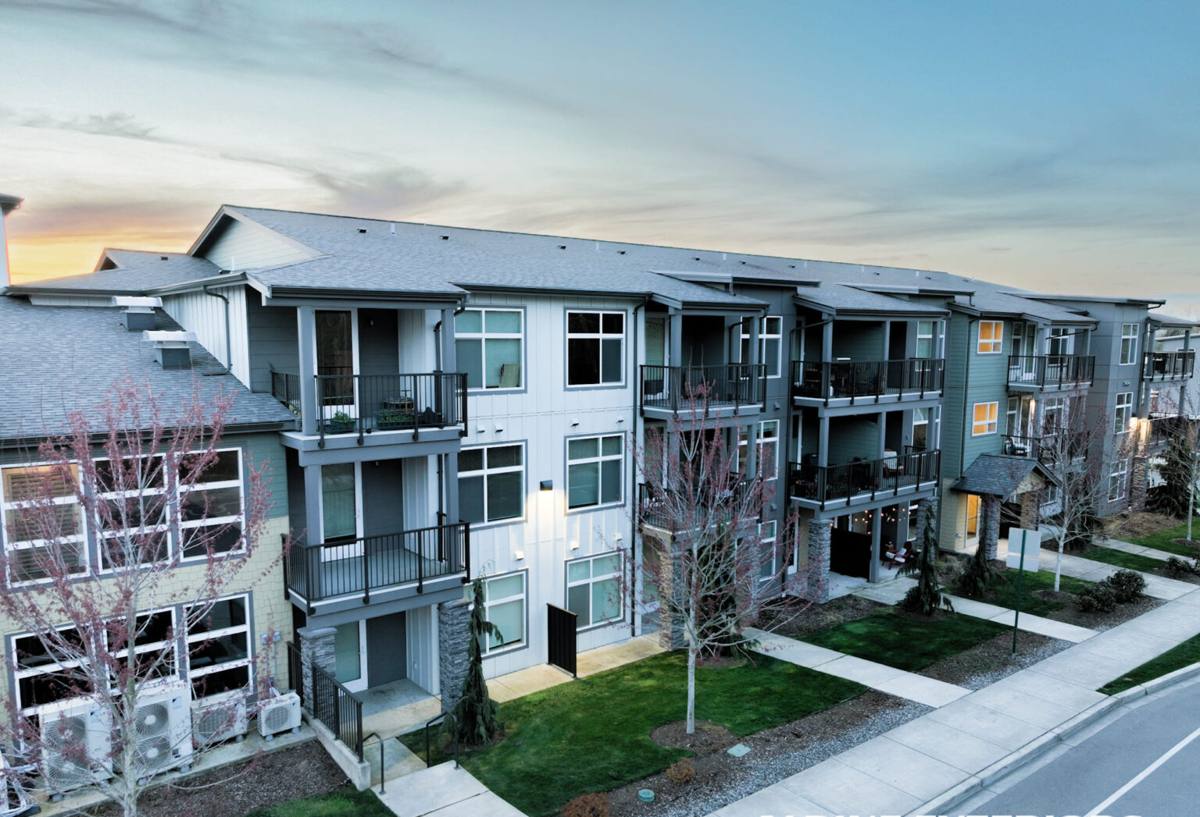
Signs Your Columbia Home Needs Siding Repair
Most siding damage doesn't announce itself. It shows up as a stain, a soft spot, or a slightly bowed board long before anyone notices actual water intrusion. Here's what we tell Columbia homeowners to walk their exterior and check for, especially before the fall rains set in:
- Dark green or black streaking on north- or shade-facing walls that doesn't wash off with light rinsing
- Soft, spongy, or slightly bowed siding when pressed near the bottom courses or around windows
- Cracked, peeling, or bubbling paint that keeps coming back in the same spot after repainting
- Rust streaks below nail heads or trim fasteners, especially on the sides of the house facing open water or wind
- Gaps opening up at butt joints, corner boards, or where siding meets window and door trim
- Visible warping or cupping on individual boards or panels
- Any musty smell or slight discoloration on interior walls that back up to an exterior wall with known siding issues
Any one of these can be minor. Several of them together, especially on the same wall, usually mean water has been getting behind the siding for a while.
The Repair Issues We See Most Often in This Neighborhood
Moss and Algae Retention
Columbia has a good mix of mature trees and older lots with tighter setbacks between houses, which means plenty of shaded, slow-drying wall sections. Moss and algae themselves are mostly cosmetic, but the moisture they hold against the siding surface is not. Over time that constant dampness breaks down caulk, softens wood trim, and — on older, non-Hardie siding especially — can lead to swelling and rot underneath the growth.
Salt Air Corrosion
Being close enough to Bellingham Bay for salt air to matter means fasteners and flashing take more abuse than they would further inland. Standard fasteners can start showing rust streaks years before they'd fail elsewhere, and that staining is often the first visible clue that something underneath needs a closer look.
Wind-Driven Rain Intrusion
Storms coming off the water don't always fall straight down. Wind pushes rain sideways into laps, corner joints, and anywhere caulking has started to shrink or crack. This is a slow leak, not a flood — which is exactly why it tends to go unnoticed until there's visible rot or interior staining.
Impact and Age-Related Damage
Branch strikes, ladder contact, and general age-related brittleness account for a fair share of repair calls too. Older wood, engineered wood, or lower-grade fiber cement siding is more prone to cracking on impact than modern James Hardie products, which is part of why we don't recommend patching failure-prone materials back onto a house.
What a Correct Siding Repair Actually Involves
A repair that only addresses the visible surface is a repair you'll be paying for again in a few years. Here's what we actually check and do on every repair call:
Checking for Hidden Rot First
Before anything gets patched, we check moisture levels behind the affected area and pull back enough siding to see the sheathing and framing underneath. If there's hidden rot, patching over it just traps the problem — it needs to be dried out, and any compromised sheathing or framing needs to be replaced before new siding goes back on.
Matching Material and Profile
A patch that doesn't match the existing reveal, profile, or texture stands out immediately and can create a water-shedding mismatch at the seam. Where we're repairing existing James Hardie siding, we match plank width, texture, and ColorPlus finish as closely as current product lines allow. Where the existing siding is a different material entirely, we'll talk through whether a true match is even possible — and whether it's worth chasing one.
Flashing, Fasteners, and Sealant
Every repair gets proper flashing at any horizontal joint or penetration, corrosion-resistant fasteners appropriate for a marine-influenced climate, and sealant rated for exterior use in constant damp conditions — not just whatever caulk was on the truck. This is the part of a repair that's invisible once it's done, and it's also the part that determines whether the repair lasts five years or twenty.
Confirming Drainage Behind the Wall
Where conditions allow, we check that water-resistive barrier and any drainage plane behind the siding are still doing their job. A repair on the surface doesn't mean much if the drainage layer behind it has already failed.
Repair, Partial Re-Side, or Full Replacement?
Not every damaged section needs a full re-side, but sometimes patch-repairing an aging wall is just delaying a bigger job. Here's how we help Columbia homeowners think through the decision:
| Situation | Typical Recommendation | Rough Cost Factor |
|---|---|---|
| Isolated impact damage or a few cracked boards on otherwise sound siding | Spot repair, matched material | Lowest — localized labor and materials only |
| Moisture damage limited to one wall or area (e.g., around a window or downspout) | Targeted repair with sheathing inspection | Moderate — depends on hidden damage found |
| Widespread staining, multiple soft spots, or repeated failures on the same wall | Partial re-side of the affected elevation | Higher — approaches cost of replacing that wall |
| Siding is original, aging, or a discontinued/mismatched product across the house | Full re-side with James Hardie fiber cement | Highest upfront, lowest long-term cost per year of service life |
We'll always tell you honestly which category your home falls into rather than defaulting to the most expensive option. Plenty of Columbia homes genuinely only need a targeted repair.
Why We Repair and Replace with James Hardie Fiber Cement Only
When a repair calls for new material — not just re-securing or resealing existing boards — we use James Hardie fiber cement, and only James Hardie. We don't install vinyl, LP SmartSide, Cemplank, Allura, or primed wood siding, and we won't patch a wall with one of those materials even if that's what's currently on the house.
That's not a brand preference — it's a standard based on how these products actually perform in a climate like ours. Fiber cement doesn't feed moss the way wood-based products can, it's non-combustible, and it holds paint and factory finish far longer under constant damp and salt air exposure than vinyl or engineered wood siding typically does. Hardie's HZ5 product line is specifically engineered for cold, wet, marine-influenced climates like Whatcom County's, and the ColorPlus factory finish is backed by a real, transferable warranty — which matters a great deal when you're deciding whether to patch or replace a wall that's going to face another thirty years of Pacific Northwest weather.
When we do match existing Hardie siding on a repair, we can usually do so without the mismatch issues that come from trying to blend in a different manufacturer's product.
Our Siding Repair Process
- On-site inspection — we walk the full exterior, not just the reported problem area, since related damage often shows up nearby
- Moisture and rot check — moisture readings and, where needed, pulling back siding to inspect the sheathing underneath
- Honest scope recommendation — spot repair, partial re-side, or full replacement, explained in plain terms with the reasoning behind it
- Written estimate — clear about materials, scope, and what happens if hidden damage is found once work begins
- Repair work — matched materials, correct flashing and fastening, and sealant appropriate for our climate
- Final walkthrough — we show you exactly what was done and what to watch for going forward
Why a Crew That Already Works in Columbia Matters
A neighborhood like Columbia has a real mix of home ages and siding types — older wood and wood-composite siding, various generations of fiber cement, and the occasional vinyl retrofit. Knowing what's likely to be behind the wall on a house of a given age and vintage saves time and guesswork during inspection, and it means fewer surprises once we open things up.
Local experience also means understanding how Bellingham's specific weather pattern — bay-influenced wind and salt air combined with a long wet season — actually plays out on real walls in this part of town, rather than applying generic siding advice that doesn't account for it. And because we're already working in and around Bellingham regularly, we can typically get to a repair call before the next round of fall rain turns a small moisture problem into a bigger one.
Get an Honest Look at Your Siding
If you're seeing staining, soft spots, or gaps in your siding, it's worth having someone look at it before another wet season passes. We offer free, no-pressure estimates for Columbia homeowners — we'll tell you honestly whether you're looking at a simple repair or something more, and why.