 Bellingham Siding
 Deck Repair in Edgemoor: Built for This Neighborhood's Conditions
Edgemoor sits close to the water, and that proximity shapes everything about how a deck ages here. Salt-laden air off Bellingham Bay accelerates corrosion on fasteners and hardware, driving rain gets pushed sideways into ledger boards and stair stringers, and the shaded, moisture-heavy lots common in this part of Bellingham keep moss and algae established on deck surfaces for much of the year. A deck that would hold up fine in a drier inland part of Whatcom County can develop real structural issues here years earlier if it wasn't built or maintained with that in mind.
We work on decks throughout Edgemoor and the surrounding Bellingham waterfront neighborhoods regularly, so we're not guessing at what's failing when we show up. We're looking for the same handful of patterns almost every time, and we know which fixes actually hold up through another wet season and which ones just look good for a year.
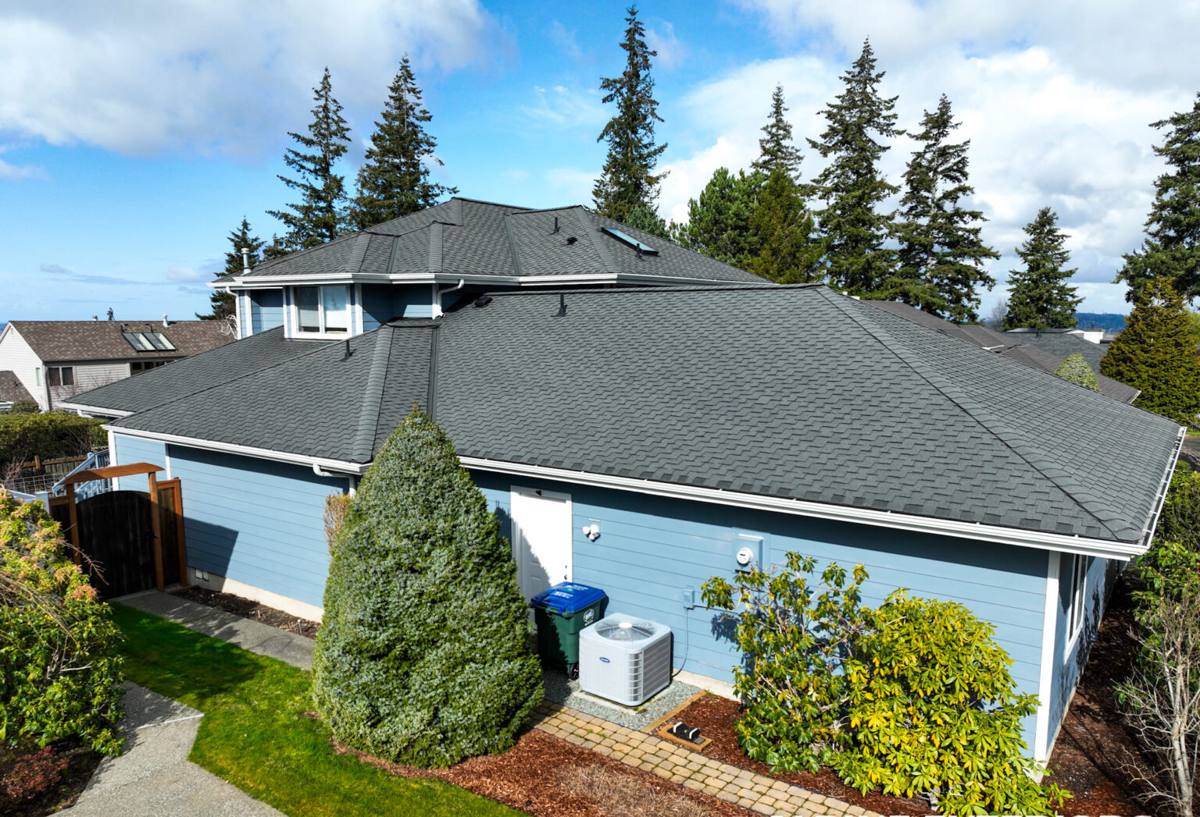
Why Edgemoor Decks Wear Differently
Salt Air and Metal Fasteners
Homes closer to the bay see faster corrosion on nails, screws, joist hangers, and structural connectors than homes even a few miles inland. Once a fastener starts rusting, it loses holding strength well before the rust is visible from the surface. This is one of the most common reasons a deck that "looks fine" turns out to have a wobbly rail post or a loose ledger connection underneath.
Driving Rain and Wind-Driven Moisture
Storms coming off the water don't just fall straight down — wind pushes rain sideways into vertical surfaces like fascia boards, stair risers, and the house wall behind the ledger board. That's why ledger flashing and proper water diversion matter more here than on a deck in a more sheltered yard.
Moss, Algae, and Shade
Many Edgemoor lots have mature tree cover and partial shade, which keeps deck boards damp longer after rain and gives moss and algae a foothold. Beyond being slippery, sustained moss growth traps moisture against the wood surface and speeds up decay, especially where boards run tight against each other with little drainage gap.
Freeze-Thaw Cycling
Bellingham doesn't get extreme cold most winters, but it does get repeated freeze-thaw swings. Water that's worked its way into a crack or a fastener hole expands when it freezes, widening the damage a little more each cycle. Over several winters, that's often what turns a hairline crack into a board that needs replacing.
What a Correct Deck Repair Actually Involves
A repair that only addresses the visible symptom tends to fail again within a season or two. A repair done right addresses the moisture source or structural cause first, then the cosmetic fix. Here's what we're checking on nearly every Edgemoor deck repair call:
| Area | What We Check | Why It Matters Here |
|---|---|---|
| Ledger board connection | Flashing condition, fastener corrosion, gaps behind flashing | Primary structural connection to the house; wind-driven rain concentrates here |
| Support posts and footings | Rot at grade contact, footing settlement, post-to-beam connection hardware | Shaded, damp soil around posts speeds decay at ground contact |
| Joists and beams | Soft spots, hanger corrosion, sagging between supports | Hidden under decking; often the most overlooked failure point |
| Deck boards | Cupping, splitting, soft or spongy spots, moss buildup | First area homeowners notice, but rarely the root cause alone |
| Railing and guard posts | Post attachment strength, fastener corrosion, code-height compliance | Safety-critical; corrosion here is hard to see from outside the post |
| Stairs | Stringer condition, riser attachment, tread wear | High-movement area, takes more direct rain exposure |
| Drainage and gaps | Board spacing, slope away from the house, debris buildup | Poor drainage is the single biggest driver of repeat repairs |
Signs Your Edgemoor Deck Needs Repair, Not Just Cleaning
- Boards that feel spongy or flex noticeably when you walk on them
- Railing posts that wiggle or shift when pushed
- Visible gaps or dark staining where the deck meets the house wall
- Fasteners with heavy rust streaks bleeding into the wood
- Persistent moss or green film that comes back within weeks of cleaning
- Stairs that feel less solid than they used to, especially near the bottom stringer
- Standing water or slow drying after rain in certain spots on the deck surface
- Gaps between boards that have closed up or widened unevenly
Any one of these on its own might be minor. Several together usually means moisture has been working on the structure for a while, and it's worth having someone look underneath the deck, not just at the surface.
Repair or Replace? How We Make That Call
Not every deck problem needs a full rebuild, and we're not going to sell you one if it doesn't. The decision usually comes down to how much of the structural framing is still sound versus how much of the damage is limited to boards, rails, or surface-level issues.
Usually a Repair
Isolated board replacement, a single soft stair tread, a loose rail post, refastening with corrosion-resistant hardware, or re-flashing a ledger board that's still structurally attached — these are common, contained fixes that restore the deck without touching the whole structure.
Usually Points Toward Replacement
Widespread joist or beam rot, multiple failing footings, a ledger connection that's pulled away from the house, or a deck where more than a third of the structural lumber shows soft or decayed wood. At that point, patching individual pieces is a short-term fix on a structure that's already compromised, and we'll tell you that directly instead of stringing repairs along.
We'll always give you the honest read on which category your deck falls into, including what happens if you delay either option a season or two.
Our Process for an Edgemoor Deck Repair
- On-site inspection. We check the deck from above and, where accessible, underneath — framing, footings, ledger connection, and hardware, not just the walking surface.
- Written scope and estimate. You get a clear breakdown of what's failing, what we recommend fixing, and what it costs — no vague allowances.
- Moisture source addressed first. If flashing, drainage, or a ventilation gap is feeding the damage, we fix that before or alongside the visible repair so the same spot doesn't fail again.
- Structural repair. Damaged framing, posts, or hangers get replaced with corrosion-resistant, coastal-rated hardware suited to the salt air here.
- Surface and rail work. Board replacement, rail re-securing, and stair repair completed to current safety guidelines.
- Final walkthrough. We show you what was done and what to watch for going forward, including any maintenance that will extend the life of the repair.
Maintenance That Extends a Repair's Lifespan Here
A repair is only as good as what happens to it afterward. In a moisture-heavy, salt-air environment like Edgemoor, a little seasonal attention goes a long way:
- Sweep debris out of board gaps regularly so water can actually drain through
- Clean moss and algae off the surface before it re-establishes, rather than after it's thick
- Rinse salt residue off metal hardware and railings periodically, especially after storms
- Check underneath the deck once a year for early signs of moisture staining or soft wood
- Reseal or restain wood decking on the manufacturer's recommended schedule, not just when it looks faded
Materials and Hardware We Use for Coastal Repairs
For repair work in salt-air conditions, hardware choice matters as much as the wood or composite itself. We use stainless steel or heavy hot-dip galvanized fasteners and connectors rated for coastal exposure rather than standard-grade hardware, since standard fasteners corrode noticeably faster this close to the bay. For decking material, we'll talk through the trade-offs honestly: pressure-treated lumber costs less upfront but needs more consistent maintenance in a damp climate, while composite decking costs more initially but handles moisture and moss growth with less upkeep over time. There's no universally "right" answer — it depends on your budget, how much maintenance you want to do, and how the rest of your home is finished.
Why Local Experience on Edgemoor Deck Repairs Matters
A crew that mainly works drier, inland areas can miss what's actually going on with a bay-adjacent deck — treating surface symptoms without recognizing that the real problem is a corroding hanger or a flashing gap that's been feeding moisture into the frame for a couple of seasons. Working regularly in Edgemoor and elsewhere around Bellingham means we know what Whatcom County's rain patterns and salt exposure do to a deck over time, and we build the repair around that, not around a generic checklist.
If your deck in Edgemoor has soft spots, a shaky rail, stubborn moss, or you just want an honest assessment of what shape it's really in, we'll come take a look. Fill out the form below for a free, no-pressure estimate.