 Bellingham Siding
 Window Replacement Built for Fairhaven's Waterfront Climate
Fairhaven sits close enough to Bellingham Bay that its housing stock takes a different kind of beating than homes further inland. Salt-laden air, wind-driven rain off the water, and the long gray stretch of moss season each play a part in how fast a window system fails. A lot of the homes in and around Fairhaven are older — craftsman, Victorian-era, and early-20th-century builds with original or long-since-replaced wood windows that were never detailed for this level of moisture exposure. Replacing windows here isn't just a cosmetic upgrade; it's a chance to correct decades of water intrusion, drafts, and rot that generic window jobs elsewhere in Whatcom County don't have to deal with.
This page is about one job, done right, in one neighborhood: window replacement for Fairhaven homes. Not a general contractor pitch, not a whole-house renovation sales page — just what your windows actually need given where you live, and what a correct installation looks like.
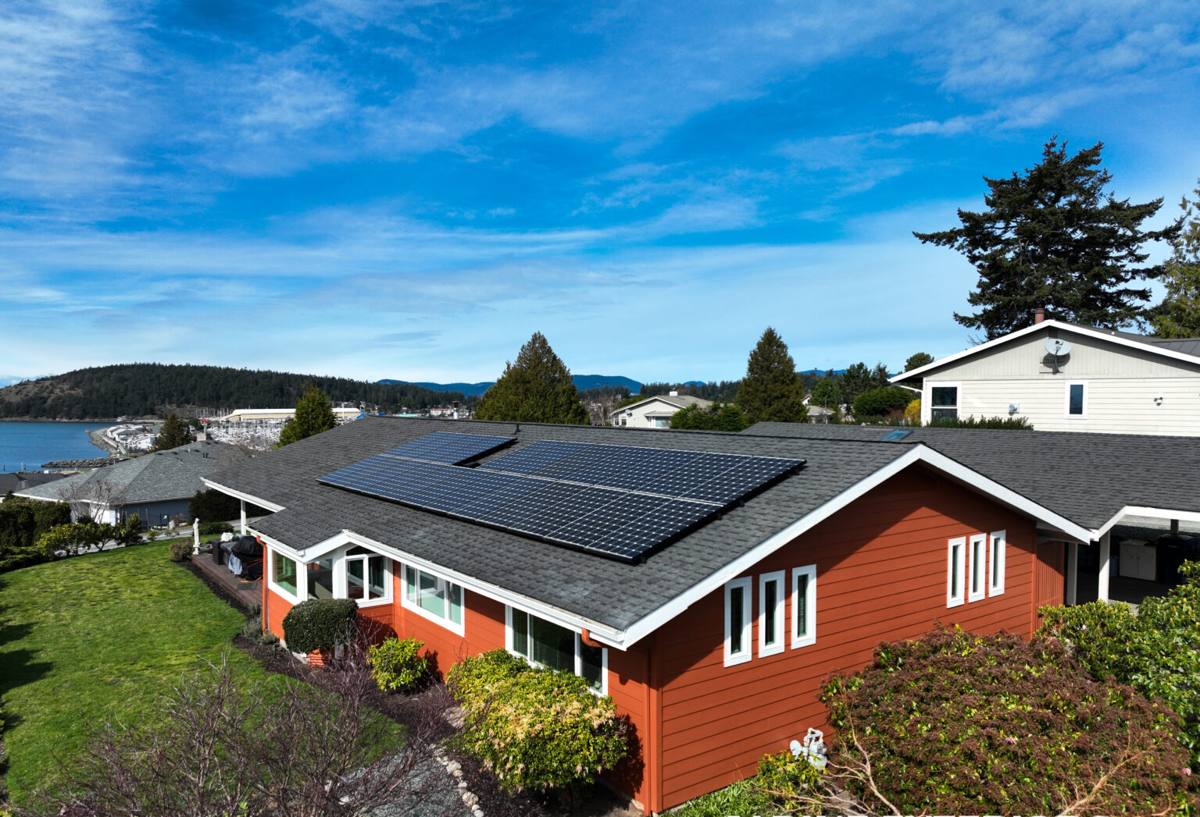
What Bellingham's Marine Climate Does to Windows Over Time
Whatcom County's marine climate is mild compared to a lot of the country, but "mild" doesn't mean gentle on building materials. A few specific stressors show up again and again in Fairhaven homes:
- Salt air corrosion — proximity to the bay means airborne salt settles on metal hardware, aluminum frames, and fasteners, accelerating pitting and corrosion faster than the same materials would wear inland.
- Driving rain — wind off the water doesn't just fall straight down, it drives sideways into window assemblies, exploiting any gap in flashing, sealant, or trim that a calmer climate would never expose.
- Extended moss and mildew season — Bellingham's damp, low-sun months run long. Moss and algae hold moisture against wood trim and sills for weeks at a time, which is exactly the condition wood rot needs to take hold.
- Condensation cycling — older single-pane and early double-pane windows fog and sweat through the wet season, and that moisture works its way into sills and framing if it isn't managed.
None of this means Fairhaven homes need exotic materials. It means the installation details — flashing, sealant selection, drainage paths, and frame material — have to be treated as seriously as the glass itself.
Signs a Fairhaven Home Needs Window Replacement, Not Just Repair
Not every old or drafty window needs full replacement. But in a marine climate, certain symptoms are a reliable sign that repair is just delaying an inevitable job:
- Soft, spongy, or visibly rotted wood at the sill, jamb, or lower corners
- Persistent fogging or moisture between double-pane glass (a failed seal)
- Visible daylight or a noticeable draft when the window is fully latched
- Paint that keeps bubbling or peeling at the same spot every year, regardless of repainting
- Moss or dark staining building up on exterior trim faster than it can be cleaned off
- Windows that are painted shut or won't stay open due to warped frames
If you're seeing two or more of these on the same window, replacement is almost always the more honest recommendation — patchwork repairs on a compromised frame tend to fail again within a season or two.
What a Correct Window Replacement Job Actually Involves
A window replacement is judged almost entirely on details that aren't visible once the trim is back on. The window unit itself is only part of the job — the flashing, sealing, and integration with the existing wall assembly are what determine whether the installation holds up through a Bellingham winter.
Removal and Inspection
Old sashes and frames come out carefully so we can inspect the rough opening underneath. In older Fairhaven homes this step often reveals what's really been happening behind the trim — soft sheathing, old caulk failures, or signs of long-term moisture that never showed on the interior.
Flashing and Water Management
This is the step that matters most in a driving-rain climate. Proper flashing tape and a correctly lapped drainage plane direct any water that gets past the exterior cladding back out, rather than letting it pool at the sill. Skipping or rushing this step is the single most common cause of hidden rot behind a "new" window.
Frame Selection and Fit
The replacement unit has to match the rough opening precisely — too loose and you're relying on caulk to do a structural job it was never meant for; too tight and the frame can bow. Shimming and leveling are done to keep the window square and operating smoothly for years, not just on install day.
Sealing and Insulation
Low-expansion foam or backer rod and sealant fill the gap between frame and rough opening — enough to insulate and air-seal, not so much that it distorts the frame. Exterior sealant beads are tooled to shed water rather than trap it.
Interior and Exterior Trim
Trim goes back on (or is replaced if it was compromised) with attention to caulking every joint that faces weather. On Fairhaven's older homes, this is also where we try to preserve the architectural character of the house rather than defaulting to a generic modern trim profile.
Choosing a Window Type for This Climate
There's no single "best" window material — the right choice depends on the home's age, exposure to wind and salt air, and how much upkeep the homeowner wants to take on. Here's how the common options actually compare for a Fairhaven property:
| Frame Material | Performance in Salt Air / Driving Rain | Maintenance Burden | Best Fit |
|---|---|---|---|
| Vinyl | Good — won't corrode or rot; seams and hardware quality vary by manufacturer | Low | Most standard replacements where budget and low upkeep matter |
| Fiberglass | Very good — dimensionally stable, resists warping from moisture cycling | Low | Homes with high sun/moisture cycling or larger window units |
| Wood (clad exterior) | Fair to good — clad exterior protects the wood, but any breach in the cladding invites rot | Moderate | Historic-character homes where interior wood look matters |
| Bare wood | Poor without diligent upkeep — most exposed to moss, rot, and repainting cycles | High | Only where strict historic preservation requires it |
| Aluminum | Poor to fair — prone to corrosion and condensation in salt air without thermal breaks | Moderate to high | Generally not our first recommendation this close to the bay |
We're not going to tell you a given manufacturer's product is "bad" — every material has a legitimate use case. Our job is to walk through the trade-offs honestly: how much maintenance you're signing up for, how the frame will hold up to salt air specifically, and what fits the character of your home.
Cost Factors Homeowners Should Actually Weigh
Window replacement pricing varies widely based on size, material, and site conditions, so we won't quote a number that doesn't mean anything without seeing the home. What we can tell you is what actually moves the price:
- Number and size of openings — larger or custom-sized windows cost more than standard sizes
- Frame material — vinyl is typically the most budget-friendly; fiberglass and clad wood cost more upfront but may reduce long-term maintenance
- Condition of the rough opening — hidden rot or old flashing failures found during removal add labor, but skipping this repair just moves the cost to a future, bigger problem
- Trim and historic detailing — matching existing trim profiles on an older Fairhaven home takes more time than a standard trim swap
- Access and building height — second-story or hard-to-reach windows add labor time
- Glass package — double vs. triple pane, and low-E or gas-fill options, affect both cost and long-term energy performance
The honest answer to "what will this cost" is always "it depends on what we find" — which is exactly why we walk the job in person before giving you a number.
Why a Crew That Already Works Fairhaven Matters
A window replacement crew that mostly works dry, inland, newer-construction jobs will approach a Fairhaven house the same way they'd approach any other — and that's where problems get missed. Working this neighborhood regularly means we already know:
- What condition to expect behind the trim on homes of a certain age near the water
- Which flashing and sealant details actually hold up through a wet Bellingham winter, versus what looks fine on install day and fails in year two
- How to work around and preserve architectural details common to Fairhaven's older housing stock
- Realistic timelines around the weather windows that actually allow for dry, proper installation
That familiarity isn't marketing — it's the difference between a window that's still performing in ten years and one that needs the trim pulled off again in three.
Scheduling Around Bellingham's Weather Windows
Window replacement should happen during a dry stretch whenever possible — installing into an open rough opening during driving rain is how water gets behind the wall assembly before the new unit is even sealed. We watch the forecast and plan installation days around realistic dry windows rather than committing to a fixed date regardless of conditions. For larger jobs with multiple openings, we can also sequence the work so no more of the home is exposed at once than necessary.
Get a Straightforward Estimate for Your Fairhaven Windows
If your windows are drafty, fogged, painted shut, or showing rot at the sill, it's worth having a local crew take a look before deciding between repair and replacement. Use the form below to request a free, no-pressure estimate — we'll walk the windows in person, tell you honestly what we find, and lay out your options without a hard sell.