 Bellingham Siding
 Windows Built for the Puget Neighborhood's Weather, Not Just Any Weather
Houses in the Puget area of Bellingham sit close enough to the water and the weather patterns coming off it that windows here work harder than windows do almost anywhere else in Whatcom County. Salt-laden air corrodes hardware and finishes faster than inland exposure. Driving, wind-pushed rain finds gaps that would never leak in a calmer climate. And the long, gray moss season that runs from fall through spring keeps wood trim, sills, and cladding damp for weeks at a stretch. A window that's a good general-purpose product in a catalog can still be the wrong choice for a specific Puget-area house facing a specific direction with a specific amount of weather exposure.
Custom windows solve a different problem than stock replacement windows do. "Custom" doesn't mean fancier or more expensive by default — it means the window is built to the actual opening, the actual wall assembly, and the actual exposure of your house, instead of asking your house to accommodate a standard size or a one-size-fits-all installation detail.
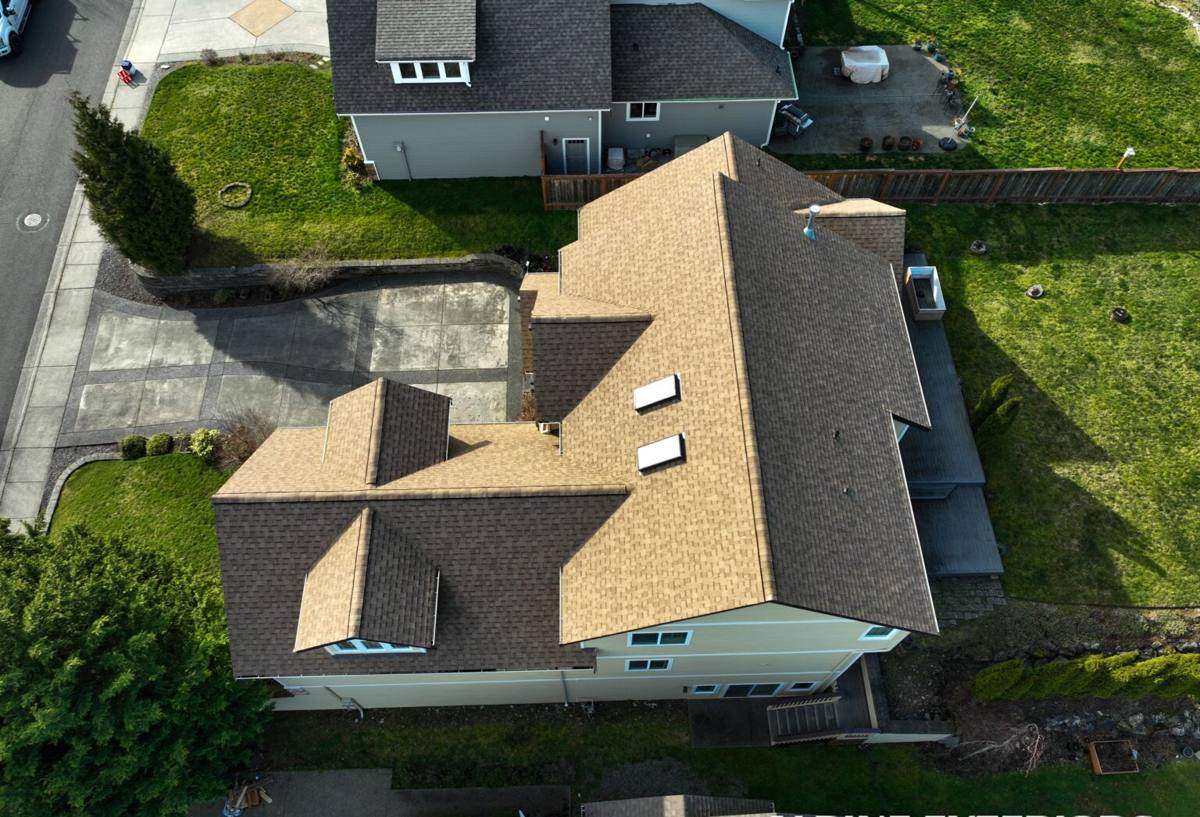
What "Custom" Actually Means for a Window Replacement
Matching the Opening Instead of Forcing the Opening to Match a Stock Size
A lot of older homes around Bellingham have window openings that are slightly out of square, slightly out of level, or sized to a lumber standard that hasn't been used in decades. Custom-sized windows are built to those exact rough openings. That matters for two reasons: a properly sized window seals better against wind-driven rain, and it doesn't require the kind of shimming, filler, or trim manipulation that creates hidden gaps — gaps that in a wetter, saltier climate turn into rot and air leaks faster than they would somewhere drier.
Matching the Material to the Exposure
Not every wall of a house faces the same conditions. A window on the side of the house that takes the brunt of the prevailing wind and rain has different needs than a sheltered window on the lee side. Frame material, glass package, and hardware finish can all be selected per-opening rather than applying one spec to the whole house. That's a genuinely useful option for homes near the water, and it's one of the practical advantages of a custom approach over a one-size-fits-all replacement package.
The Moisture Problem: Why Installation Details Matter More Than the Window Itself
Most window failures we see in this area aren't failures of the window unit — they're failures of the installation around it. A high-quality window installed with poor flashing will leak. A modest window installed with correct flashing, sill pan, and weather-resistive barrier integration will perform for decades. In a climate with sustained driving rain and long damp stretches, this isn't a minor detail; it's the difference between a window that's dry in year one and still dry in year fifteen.
Correct installation in this climate generally includes:
- A sloped sill pan under the window so any water that does get past the exterior seal drains back out instead of pooling
- Proper integration of flashing tape or flashing membrane with the house's existing weather-resistive barrier, lapped correctly so water sheds outward and downward
- Backer rod and quality exterior sealant at the perimeter, sized and installed for long-term flexibility rather than a bead that will crack in a season or two
- Adequate clearance and drainage at the sill so the window isn't sitting in standing water during heavy rain events
- Attention to the head flashing so water is directed around the window opening, not down into it
None of this is visible once the trim goes back on, which is exactly why it matters who's doing the work and not just which product they're installing.
Frame Material Comparison for Coastal Whatcom County Exposure
| Material | Salt Air / Moisture Behavior | Maintenance | Typical Lifespan | Best Fit |
|---|---|---|---|---|
| Vinyl | Won't corrode or rot; performs consistently in salt air | Low — occasional cleaning | 20–30+ years | Budget-conscious replacement, most exposures |
| Fiberglass | Excellent moisture and corrosion resistance; very stable dimensionally | Low | 30–40+ years | Higher-exposure walls, homeowners wanting minimal upkeep with a more premium feel |
| Wood (unclad, interior or exterior) | Vulnerable to moisture and moss-season dampness without diligent upkeep | High — regular painting/sealing needed | Highly dependent on maintenance | Interior-side use, or homes prioritizing a traditional wood look and willing to maintain it |
| Wood-clad (wood interior, metal or vinyl exterior) | Good — exterior cladding shields the wood from direct weather | Moderate | 25–35+ years | Homeowners wanting a wood interior look with lower exterior maintenance |
| Aluminum | Prone to corrosion in salt air unless specifically treated/coated; can feel cold, condensation-prone | Moderate to high near the water | Varies widely with coating quality | Generally a lower priority for direct coastal exposure in this area |
We don't push one material on every job. The right call depends on which direction the wall faces, how much upkeep you want to take on, and your budget. We'll walk through the trade-offs for your specific openings rather than quoting a single default.
Glass Packages: What Actually Helps in This Climate
Double-pane glass with a low-E coating and argon fill is a reasonable baseline for most Bellingham homes. For Puget-area houses with more direct wind and rain exposure, or for rooms where condensation has historically been a problem, triple-pane glass or a warm-edge spacer system can make a noticeable difference — not just in comfort, but in reducing the interior condensation that contributes to mold and mildew during the long damp months. It's a real upgrade for the right situation, not something we recommend across the board regardless of exposure or budget.
Our Process for a Puget-Area Window Project
1. On-Site Assessment
We look at each opening individually — exposure, current condition, signs of past water intrusion, and how the existing wall assembly is built. This is also when we measure for true custom sizing rather than working off a rough guess.
2. Honest Recommendations, Not a Single Package
You'll get a clear rundown of material and glass options with real trade-offs explained — not a hard upsell to the most expensive option or a race to the cheapest one.
3. Removal and Inspection of the Opening
Once old windows come out, we check the framing and sheathing underneath. This is often the first time hidden moisture damage from a previous poor installation becomes visible, and it needs to be addressed before a new window goes in — not covered over.
4. Installation with Full Flashing and Drainage Detail
As covered above, this is the step that determines whether the window performs for decades or starts leaking in a few years.
5. Final Sealing, Trim, and Walkthrough
We finish the exterior weatherproofing, complete interior trim work, and walk the job with you before calling it done.
Signs Your Current Windows Are Already Losing the Fight
If you're not sure whether replacement makes sense yet, these are the signs we look for on Puget-area homes specifically:
- Fogging or haze between panes of double-pane glass (a sign the seal has failed)
- Persistent condensation on the interior glass or sill during colder months
- Soft, discolored, or spongy wood at the sill or bottom corners of the frame
- Visible moss, algae, or dark staining building up on the frame or sill faster than on the rest of the trim
- Windows that are noticeably harder to open, close, or lock than they used to be
- Drafts you can feel near the frame on a windy day, even with the window fully closed
Any one of these is worth a look. Several of them together usually means the window and its installation have reached the end of useful life.
Why a Crew That Already Works in Puget Matters
A contractor who regularly works this specific area already knows which wall orientations tend to take the worst weather, what kind of older construction is common in the neighborhood, and what installation details actually hold up here versus what looks fine on paper. That's not a marketing point — it changes real decisions, like whether a particular opening needs extra flashing attention or whether a given material choice is worth the added cost for that wall's exposure. It also means straightforward scheduling and follow-up if a question comes up after the job is done, without the back-and-forth of a crew that's unfamiliar with the area's building stock and climate demands.
Maintenance That Actually Matters After Installation
Even a correctly installed, well-chosen window benefits from a little seasonal attention in this climate. Keep weep holes at the sill clear of debris and moss so water can drain as designed. Rinse accumulated salt and grime off frames periodically, especially on more exposed walls. Check exterior caulking annually for cracking or separation, since sealant is a wear item even when everything else is performing well. None of this is complicated, but skipping it is how a good installation slowly turns into a future problem.
Ready to Talk About Your Windows?
If you're weighing repair versus replacement, or just want a straight answer on what your Puget-area home's windows actually need, we're happy to take a look. The estimate is free, there's no pressure to move forward, and you'll get specific recommendations for your house rather than a generic quote — just fill out the form below to get started.