 Bellingham Siding
 Roof Replacement for Silver Beach Homes
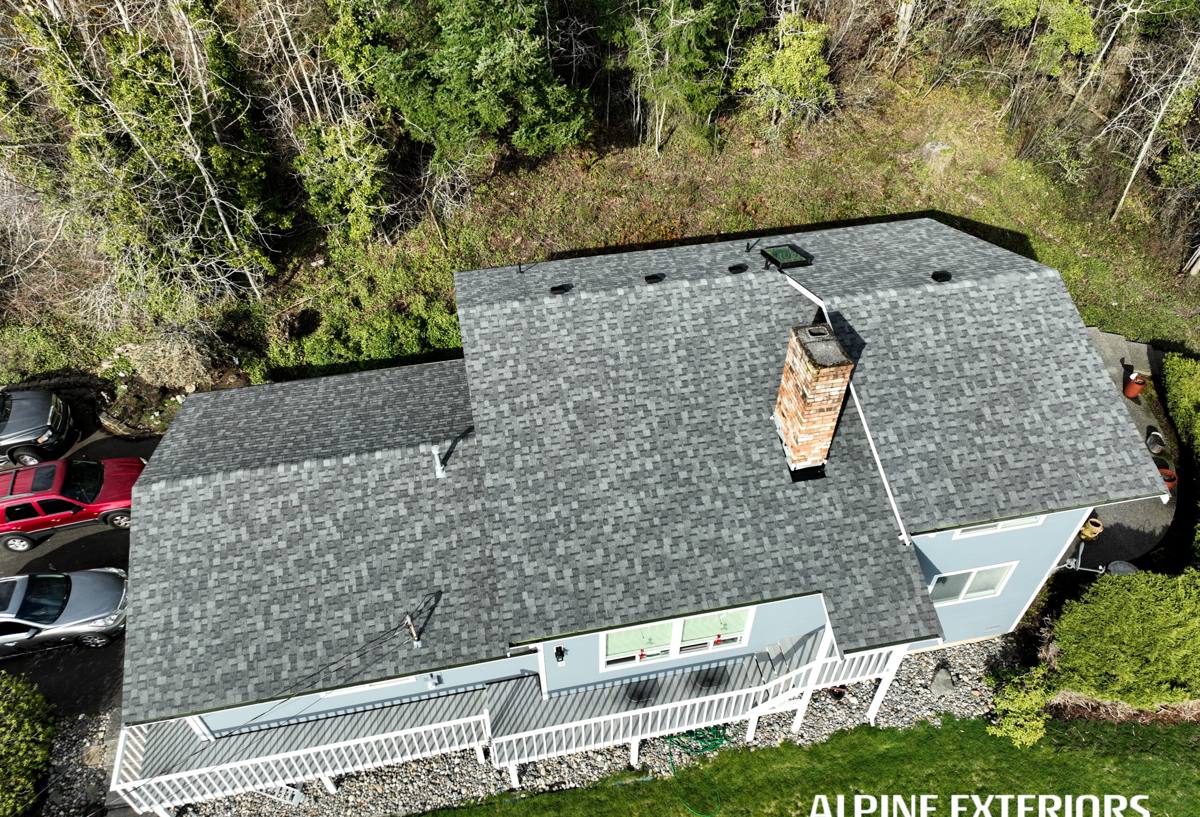
Silver Beach sits along the north shore of Lake Whatcom, tucked under heavy tree canopy in one of Bellingham's most wooded residential pockets. That setting is a big part of what makes the neighborhood desirable — and it's also exactly what shortens roof lifespans here compared to more open, sun-exposed parts of Whatcom County. Shade, standing moisture, and constant organic debris from surrounding conifers put a different kind of stress on a roof than wind or heat ever will. A roof replacement done right in Silver Beach has to account for that from the first shingle to the last.
This page covers what actually goes into a correct roof replacement for a home in this specific setting, how we approach the job, and what to look for when you're vetting who does the work.
Why Silver Beach Roofs Age Differently
Tree Cover and Moss
Dense canopy means less direct sun to dry a roof out between rain events. Needles, cones, and leaf litter collect in valleys and behind chimneys, holding moisture against the roof surface long after a storm has passed. That combination — shade plus organic debris plus persistent dampness — is exactly what moss and algae need to take hold. Once moss establishes itself under shingle tabs, it lifts them slightly, which lets wind-driven rain work its way underneath. A roof that looks fine from the ground can already have compromised shingles because of moss growth nobody's cleared off in a few seasons.
Regional Rain and Moisture Load
Whatcom County's marine-influenced climate means a long wet season, driving rain that comes in at an angle rather than straight down, and salt-tinged air moving in off Bellingham Bay that adds to the corrosion load on fasteners and metal flashing. Around Lake Whatcom, that regional pattern combines with the tree cover to keep roof surfaces damp for extended stretches. Materials and installation details that would be adequate in a drier, more open part of the state need to be tightened up here.
Slope and Drainage Realities
Wooded lots often mean roofs with more complex geometry — dormers, multiple valleys, roofs tucked close to hillsides — which creates more places for water and debris to concentrate. Every valley, penetration, and low-slope section is a spot where a marginal installation shows problems first.
Signs a Roof Needs Replacing, Not Just Patching
Not every issue calls for a full tear-off. But in a moss-prone, shaded neighborhood like this, waiting too long to make that call usually means water damage to the roof deck underneath — which turns a roofing job into a roofing-plus-carpentry job. Watch for:
- Moss or algae growth that keeps returning within a year or two of cleaning
- Shingles that are cupping, curling, or losing granules in visible patches
- Soft or spongy spots when walking the roof, or sagging visible from the ground
- Daylight visible through the roof deck from inside the attic
- Water stains on interior ceilings, especially near valleys or chimneys
- Flashing that's rusted, lifted, or separating from the roofline
- A roof that's 20+ years old and has never been fully replaced, only patched
- Granules collecting in gutters in larger amounts each season
If you're seeing two or more of these, it's worth having someone look at the roof deck itself, not just the shingles, before deciding between repair and replacement.
What a Correct Roof Replacement Actually Involves
Full Tear-Off and Deck Inspection
We remove the existing roofing down to the deck rather than layering over old material. That's the only way to actually see what's underneath — soft plywood, rot around penetrations, or past water damage that's been hidden by the old shingles. Any damaged decking gets replaced before anything new goes down. Skipping this step is the most common shortcut in the trade, and it's the one that causes problems years later.
Underlayment Built for a Wet Climate
Given how long roof surfaces stay damp under Silver Beach's tree cover, underlayment selection matters more here than in drier areas. We use synthetic underlayment as the primary water barrier and add self-adhered ice-and-water membrane at vulnerable spots — valleys, eaves, around chimneys and skylights, and anywhere the roof geometry creates a natural water-collection point.
Ventilation That Actually Works
A shaded roof that doesn't get proper airflow underneath traps moisture in the attic, which accelerates deck rot and shortens shingle life from the inside out. We check intake at the soffits and exhaust at the ridge as part of every replacement, not as an afterthought — a new roof on a poorly ventilated attic will still fail early.
Flashing Done Right
Flashing failure is one of the most common causes of leaks on wooded, complex-roofline homes. We replace flashing at chimneys, valleys, walls, and any roof-to-wall transitions as standard practice rather than reusing old pieces, and we pay particular attention to valleys given how much debris and water concentrate there under tree cover.
Choosing the Right Material for This Setting
There's no single "best" roofing material for every home — it depends on budget, roof complexity, and how much maintenance you want to take on. Here's how the common options stack up specifically for a shaded, moss-prone lakeside lot:
| Material | Moss/Algae Resistance | Typical Lifespan | Maintenance Needs |
|---|---|---|---|
| Standard 3-tab asphalt | Lower — moss takes hold faster without treatment | 15–20 years | Regular moss removal recommended |
| Architectural (dimensional) asphalt with algae-resistant granules | Better — built-in copper/zinc granules slow algae growth | 25–30 years | Occasional cleaning, less frequent |
| Metal roofing (standing seam or panel) | High — sheds debris and dries fast, little surface for moss to grip | 40–50+ years | Low; periodic debris clearing |
| Cedar shake | Low without ongoing treatment — organic material in a shaded, damp setting | 20–30 years with maintenance | High; needs regular treatment and inspection |
For most Silver Beach homes, we point people toward algae-resistant architectural shingles as the practical middle ground, or metal for homeowners who want to minimize moss maintenance long-term and are comfortable with the higher upfront cost. We're honest about cedar shake in this specific setting: it can look great, but heavy shade and persistent moisture mean it needs more upkeep here than it would on a sun-exposed lot elsewhere in the county, and that's a real ownership cost worth weighing before committing to it.
Our Process, Start to Finish
- On-site inspection — we walk the roof and attic, check the deck condition, and look at ventilation and drainage, not just shingle wear.
- Written estimate — clear scope, material options, and a straightforward price, no pressure to decide on the spot.
- Scheduling around weather — we plan tear-off days for realistic dry windows given the local rain pattern, and stage materials so an open roof is never left exposed longer than necessary.
- Tear-off and deck repair — full removal, deck inspection, and replacement of any compromised sheathing.
- Underlayment, flashing, and ventilation work — the parts of the job that don't show but determine how long the roof actually lasts.
- New roofing installation — installed to manufacturer specification so warranty coverage stays intact.
- Final walkthrough — we go over the completed roof with you and clean up the site, including magnetic sweep for stray fasteners.
Why Local Experience with Silver Beach Homes Matters
A crew that already works this neighborhood knows what to expect before they even climb up: heavier moss buildup in shaded valleys, driveways and lots that can be tighter to stage materials on, and roof geometries shaped by mature trees close to the house. That familiarity shows up in fewer surprises mid-job and in material choices that are recommended because they hold up here, not just because they're standard elsewhere in Whatcom County. It also means we're realistic about scheduling — wet-season windows in this part of Bellingham require planning tear-off days carefully, and a crew unfamiliar with the area's rain patterns is more likely to get caught mid-project.
Keeping Your New Roof Performing
A properly installed roof still benefits from basic upkeep, especially under Silver Beach's tree canopy:
- Clear gutters and valleys of needles and debris at least twice a year
- Have moss growth addressed before it spreads under shingle tabs, not after
- Trim back overhanging branches where practical to reduce debris and shade on the roof
- Check attic ventilation isn't blocked by insulation or storage after any interior work
- Have the roof inspected after major windstorms, common in this region during fall and winter
If you're weighing a repair against a full replacement, or just want an honest read on where your roof actually stands, we're happy to take a look. The estimate is free, there's no pressure attached to it, and you'll get a straight answer about what your Silver Beach home actually needs — use the form below to get started.