 Bellingham Siding
 Building Decks for Sunnyland Homes
Sunnyland is one of Bellingham's older, established neighborhoods, with a mix of home ages and lot styles that back onto slopes, mature trees, and yards shaped by Bellingham Bay's weather patterns. A deck here has to do more than look good for a season. It has to hold up to a wet coastal climate year after year, and it has to be built to fit the actual lot it sits on, not a generic template. When we take on a deck project in Sunnyland, we start by looking at the specific conditions of that yard: sun exposure, drainage, tree cover, and how close the site sits to prevailing wind and moisture off the bay.
This page is about deck building specifically, done right, for this specific part of Bellingham. It's not a general overview of decking products. It's what we've learned building and repairing decks in Whatcom County, and what we think a Sunnyland homeowner needs to know before hiring anyone for the job.
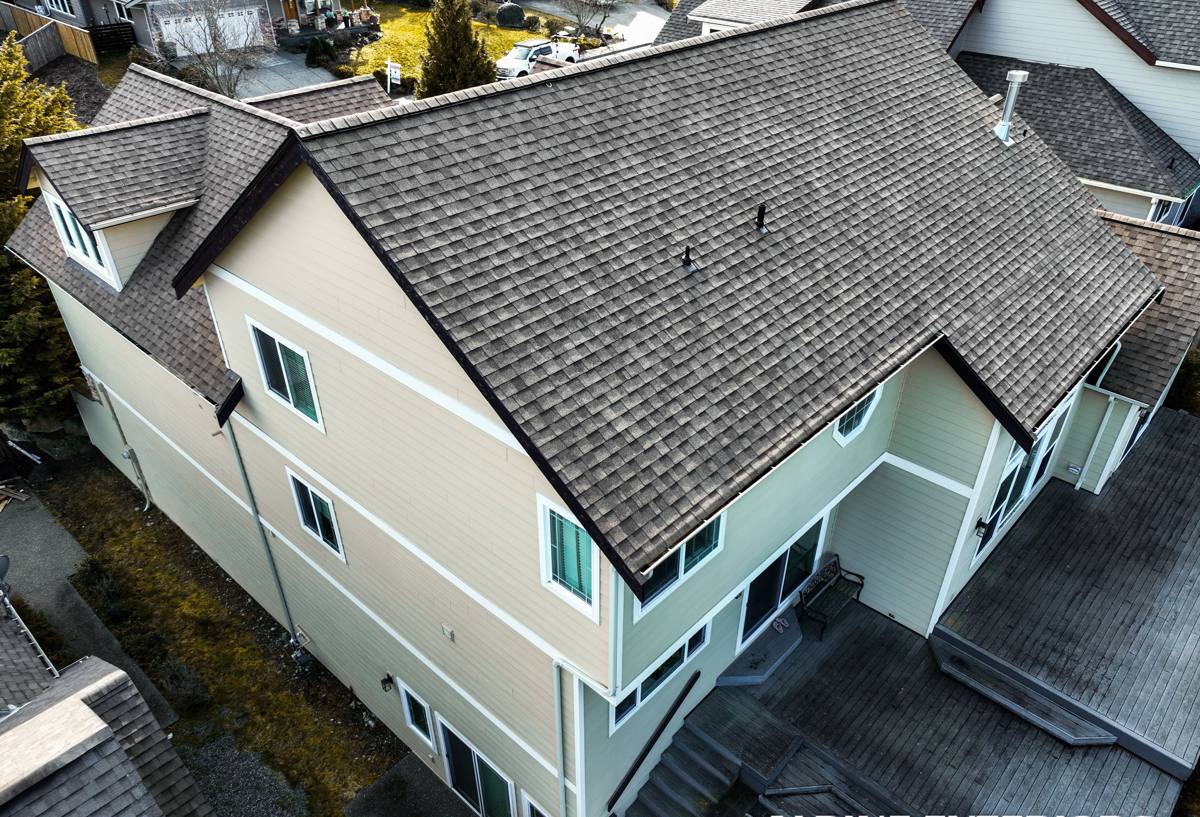
What Bellingham's Climate Does to a Deck
Whatcom County doesn't get extreme heat or extreme cold most years, but it makes up for that with sustained moisture. Salt air off the bay, driving rain through fall and winter, and a long moss season that can run from October through May all put steady stress on any outdoor structure. A deck is more exposed to this than almost any other part of a house, because it's a horizontal surface built low to the ground, often shaded by trees, and directly in the path of standing water and organic debris.
The specific problems we see
- Moss and algae buildup on decking boards and framing, especially on the shaded or north-facing sides of a lot
- Moisture trapped between deck boards and joists where airflow is restricted
- Ledger board rot where the deck attaches to the house, usually from poor flashing at the original build
- Fastener corrosion from salt air, particularly on older decks built with standard (non-coated) hardware
- Slick, slippery surfaces during the wet months, which is a real safety issue on stairs and landings
- Premature graying, cupping, or splitting of wood decking left unsealed or under-maintained
None of this is unusual for the area. It's just what a deck in Bellingham has to be built to handle, and it's why the same deck plan that works fine in a dry inland climate can fail early here if it's not adapted.
What a Correct Deck Build Looks Like Here
Structure and framing
The framing is the part nobody sees once the project is done, and it's the part that matters most in a wet climate. That means proper joist spacing for the decking material chosen, correctly sized and rated fasteners and connectors, and ledger flashing that actually sheds water away from the house rather than trapping it against the rim joist. We use hardware rated for exterior and coastal exposure, not general-purpose fasteners that will corrode faster in salt air.
Drainage and airflow
A deck built tight to the ground or over poor drainage will trap moisture underneath it no matter what decking material sits on top. We grade and, where needed, add drainage under the deck so water moves away from the structure instead of pooling. Airflow under and between boards matters too — it's the difference between wood that dries out between rain events and wood that stays damp for weeks at a time, which is where rot and moss really take hold.
Material choice for the site
Not every yard in Sunnyland needs the same decking material. A sunny, open backyard has different needs than a shaded, tree-covered lot near a slope. We walk the site with you and talk through what's actually going to hold up in that specific spot, not just what's popular.
Decking Material Options: Honest Trade-Offs
| Material | Moss/Moisture Resistance | Maintenance | Typical Lifespan |
|---|---|---|---|
| Pressure-treated wood | Moderate — needs sealing and cleaning | Annual cleaning, periodic re-sealing | 15-20 years with upkeep |
| Cedar | Good natural resistance, still needs care in shaded areas | Regular cleaning and sealing to keep color and prevent graying | 20-25 years with upkeep |
| Composite decking | Very good — doesn't absorb water like wood | Occasional washing to clear moss/algae film off the surface | 25-30+ years, varies by brand |
| PVC/synthetic decking | Excellent — fully moisture resistant | Lowest maintenance, occasional cleaning | 25-30+ years |
Composite and PVC products cost more up front but ask less of the homeowner over time, which matters in a climate where moss and moisture are a constant fight rather than an occasional one. Wood costs less initially but only performs well if someone keeps up with cleaning and sealing on a real schedule. We'll lay out the honest cost and maintenance picture for your specific project rather than push one material as the only right answer.
Repair, Replacement, or Rebuild: Knowing the Difference
A lot of the deck calls we get in Sunnyland aren't for new builds — they're for older decks that are showing their age. Not every deck problem means starting over. Sometimes it's a structural issue, sometimes it's cosmetic, and sometimes it's somewhere in between.
- Surface-level moss and graying: often a cleaning and re-sealing job, not a rebuild
- Soft or spongy boards: usually means localized board replacement, assuming the framing underneath is sound
- Soft spots at the ledger board or near the house: a structural concern that needs a real inspection — this is often where water intrusion has been happening longest
- Loose railings or wobbly stairs: a safety issue that needs prompt attention regardless of the deck's age
- Widespread rot in the joists or posts: this is when a rebuild usually makes more sense than continued patching
We'll tell you straight which category your deck falls into. If it's a repair, we're not going to talk you into a full rebuild you don't need.
Our Process for Sunnyland Deck Projects
1. On-site assessment
We walk the actual lot, look at sun and shade patterns, drainage, tree cover, and how the deck will tie into the house. For repair or replacement work, we inspect the existing structure, including areas that are often hidden, like under the ledger board and around post bases.
2. Straightforward proposal
You get a clear scope of work and pricing before anything starts. No vague allowances hiding the real cost of the job.
3. Building for the climate, not just the calendar
We plan around Whatcom County's wet season where we can, and we build in the drainage, flashing, and fastener choices that matter here whether the deck goes in during a dry stretch or not.
4. Cleanup and walkthrough
We walk the finished deck with you, cover basic care for whatever material was installed, and make sure you know what regular maintenance (if any) it needs going forward.
Why a Local Crew Matters for This Job
Deck building looks simple from the outside, but the details that make a deck last in this specific climate — the flashing detail at the ledger, the fastener grade, the drainage plan, the material choice for a shaded versus sunny lot — are things you only get consistently right when you've built and repaired decks across Whatcom County and seen what actually fails here over time. A crew that already works in Sunnyland and the surrounding Bellingham neighborhoods knows the difference between a deck built for a dry climate and one built for salt air, driving rain, and a long moss season. That's not a marketing point, it's just what repeated exposure to the same regional conditions teaches a builder.
Maintaining Your Deck After It's Built
- Sweep leaves and debris off the deck regularly, especially in fall — trapped debris holds moisture against the boards
- Clean moss and algae off the surface at least once a year, more often in shaded spots
- Check and clear drainage paths under and around the deck before the wet season starts
- Inspect fasteners and connectors periodically for corrosion, especially on older decks
- Re-seal wood decking on the schedule appropriate to the product — don't wait until it's visibly gray and dry
- Address soft boards or loose railings promptly rather than waiting for them to get worse
A little consistent upkeep goes a long way toward getting the full lifespan out of whatever material you choose.
If you're planning a new deck or dealing with an aging one in Sunnyland, we're happy to come take a look and give you a straightforward, no-pressure estimate. Use the form below to get in touch.