 Bellingham Siding
 Windows in Columbia Face a Different Kind of Weather
The Columbia neighborhood sits close enough to Bellingham Bay and Whatcom Creek that its homes catch the same weather pattern that wears down exteriors all along this stretch of Whatcom County: salt-tinged air off the water, long stretches of driving rain pushed in on southwest wind, and a moss season that can run from October clear through May. None of that is dramatic on any single day. It's the accumulation that gets windows — years of moisture working into wood sashes, sealant that hardens and cracks in the cold snaps, and aluminum-frame windows from the 1970s and '80s that were never built with today's insulation standards in mind.
Columbia has a real mix of housing stock — older bungalows and post-war homes alongside newer infill construction — which means the window problems we see there aren't uniform. A 1950s single-pane wood window fails differently than a builder-grade vinyl unit installed in 2005. What doesn't change is the climate doing the damage. Any window installation in this neighborhood has to be specified and flashed for sustained wet weather, not just an occasional storm.
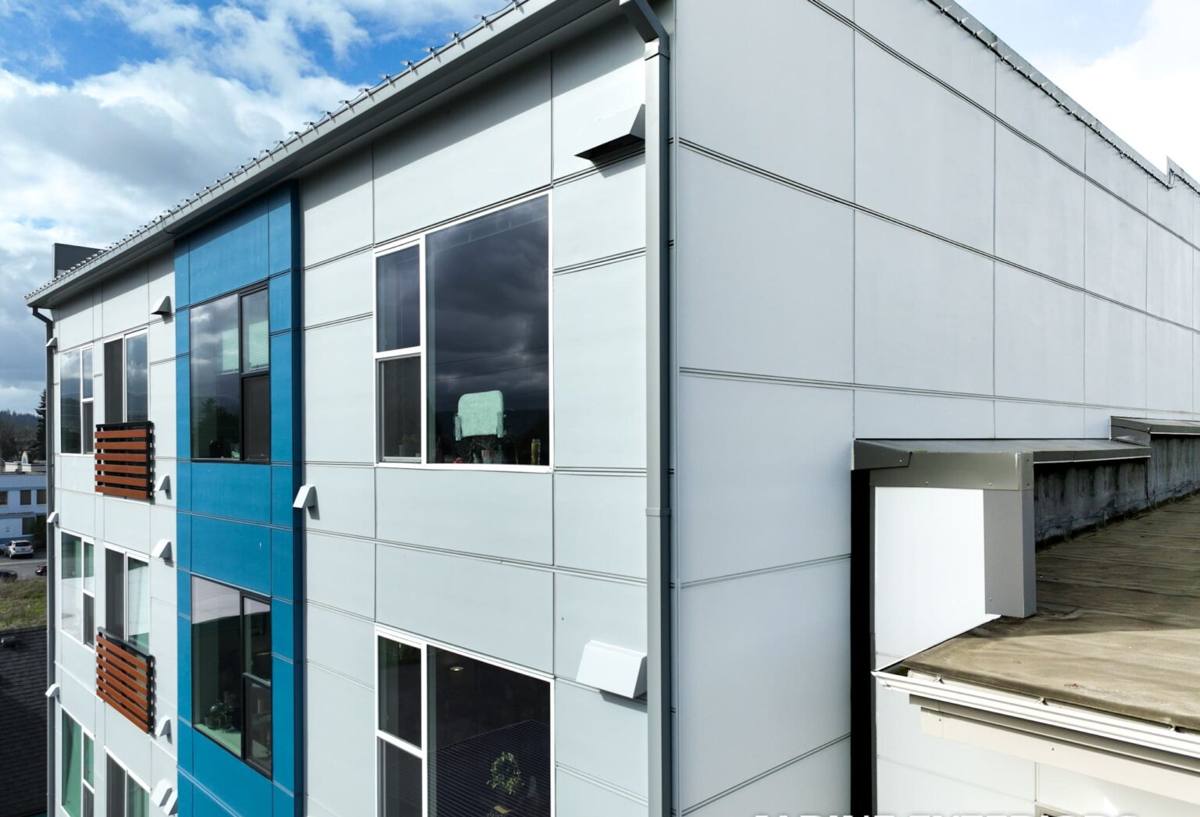
Signs a Columbia Home's Windows Are Due for Replacement
Homeowners usually call us for one of a handful of reasons, and most of them show up gradually before anyone notices:
- Fog or moisture trapped between the panes of a double-pane window — the seal has failed and the gas fill is gone
- Wood sashes that are soft, discolored, or have visible rot at the bottom corners, where water sits longest
- Windows that won't stay open, won't latch, or have swollen shut after a wet stretch
- Noticeable drafts or cold spots near the frame, especially on walls facing prevailing weather
- Visible daylight or gaps around the frame from the outside
- Rising heating bills without any other explanation
- Moss or dark streaking building up on the sill and frame — a sign moisture is sitting there rather than shedding
Any one of these is worth a look. Several at once usually means the whole window, not just the glass or the weatherstripping, needs to be addressed.
What a Correct Window Installation Actually Involves
Swapping in a new window sounds simple, and the window itself is the easy part. What separates a job that lasts fifteen-plus years from one that fails in five is almost entirely in the details around the window, not the window itself.
Flashing and Water Management
Every window opening needs a flashing system that sheds water down and out, layered so that any water that does get behind the siding runs over the flashing rather than behind it. In a climate that sees this much sustained rain, a shortcut here — reused old flashing, tape instead of proper flashing, or flashing installed in the wrong order relative to the housewrap — is the single most common cause of hidden rot we find behind window openings.
Air and Moisture Sealing
The gap between the window frame and the rough opening needs to be sealed with the right materials: a proper sill pan at the bottom, backer rod and sealant (not just spray foam) at the sides and top, and interior air sealing that keeps humid indoor air from condensing inside the wall cavity. Get this wrong and you can end up with a window that looks fine but is quietly rotting the framing around it.
Level, Plumb, and Square
An out-of-square installation stresses the sash, wears hardware early, and can compromise the seal on an insulated glass unit within a few years — long before the window itself would otherwise fail.
Frame Material Suited to the Opening
Not every frame material is the right call for every wall. A window that isn't detailed correctly for moisture management in a wet marine climate will eventually cause problems regardless of brand, so we spec each opening on its own merits rather than defaulting to one product line for the whole house.
Comparing Frame Materials for a Marine Climate
| Frame Type | How It Handles This Climate | Maintenance | Typical Lifespan |
|---|---|---|---|
| Vinyl | Doesn't rot or corrode from salt air; expands/contracts with temperature swings, so quality of installation matters more than with other materials | Low — occasional cleaning | 20–30 years |
| Fiberglass | Very stable dimensionally, holds up well to sustained rain and temperature cycling | Low | 30+ years |
| Wood (clad exterior) | Good insulator, but the interior wood needs the exterior cladding and seals to be flawless in this much rain | Moderate — watch seals and touch-up paint | 20–40 years with upkeep |
| Aluminum | Conducts cold and can promote condensation in our winters; older uninsulated aluminum frames are a common source of the drafts we get called about | Low, but poor thermal performance | varies widely |
We'll walk through which of these makes sense for a given opening, elevation, and budget rather than pushing one product across the board.
Our Installation Process for Columbia Homes
The process is the same whether we're doing one window or a whole house, because the details matter the same either way:
- On-site assessment — we check each opening for hidden rot, out-of-square framing, and existing flashing condition before quoting anything
- Accurate measurement — exact sizing for the opening, not a generic size, so the new window fits without excessive shimming or gaps
- Removal and opening prep — old window and any damaged framing or sheathing removed, opening dried out and inspected
- Sill pan and flashing installed in proper sequence — this is the step that determines whether the wall stays dry for the next twenty years
- Window set level, plumb, and square, shimmed and fastened per manufacturer spec
- Interior and exterior sealing — backer rod, sealant, and insulation, not just foam sprayed into the gap
- Trim and finish work to match the home's existing exterior
- Walkthrough — we show the homeowner the operation, locks, and any warranty paperwork before we call it done
What Affects the Cost of a Window Installation
Every home is different, so we won't quote a number without seeing the openings, but the main factors that move a project's cost are consistent:
| Factor | Why It Matters |
|---|---|
| Number of openings | Per-window cost typically drops on larger jobs due to shared setup and crew time |
| Frame material | Vinyl, fiberglass, and clad wood carry different material costs |
| Existing damage | Rotted framing or sheathing found during removal adds repair scope |
| Window size and type | Custom shapes, large picture windows, or egress-code bedroom windows cost more than standard double-hungs |
| Story and access | Second-story or hard-to-access openings take more time and equipment |
| Trim and siding match | Matching existing exterior finish work adds labor |
We'd rather find rot or framing issues during the estimate walk-through than after we've opened the wall — it keeps the final number honest.
Why Work With a Crew That Already Knows This Neighborhood
A window installer who's worked other Columbia homes has already seen how the salt air and rain pattern in this part of Bellingham behaves against specific home styles and elevations. That matters for practical reasons: knowing which walls take the worst weather exposure, recognizing what typical framing and siding from a given building era looks like once it's opened up, and having a realistic sense of how long a job actually takes on this kind of housing stock. It also means we're not learning the neighborhood's quirks on your project — we're already familiar with them.
Being local also means we're reachable after the job is done. If something doesn't seem right in the first winter — a draft, a sticking sash, condensation that shouldn't be there — we're a short drive away, not a call center.
Maintaining New Windows Through Whatcom County Winters
A well-installed window in this climate still benefits from basic upkeep:
- Clear debris and moss from sills and tracks each fall before the wet season sets in
- Check exterior caulking annually and re-seal any cracked or separated joints
- Operate hardware periodically through the winter so mechanisms don't seize
- Watch for condensation between panes — it means a seal has failed, not that the window needs cleaning
- Keep gutters and downspouts clear so water isn't sheeting down over window openings
None of this is complicated, but skipping it is how a well-installed window ends up with problems that installation quality alone can't prevent.
Get an Honest Look at Your Windows
If your Columbia-area home has windows that are drafty, fogged, sticking, or just old enough to be a question mark, we're happy to take a look and give you a straight assessment — no pressure, no upsell. Use the form below to request a free estimate.