 Bellingham Siding
 Decks in Cordata Take a Different Kind of Beating
Cordata sits in north Bellingham, close enough to the water and the marine air pattern that runs through Whatcom County to get the full effect of what Pacific Northwest weather does to exterior wood and hardware. It isn't one dramatic storm that wrecks a deck here — it's the slow, steady combination of salt-tinged air, driving rain that comes in sideways more often than straight down, and a moss season that can stretch from October well into April. A deck built anywhere else in the country might tolerate a repair schedule of "fix it when it breaks." A deck in this climate needs a different mindset, because by the time a problem is visible on the surface, it has usually been developing underneath for a season or two already.
We work on decks throughout Cordata and the surrounding Bellingham neighborhoods regularly, and the failure patterns repeat themselves house after house. That repetition is useful — it means we're not guessing at what's wrong under your decking, we're confirming what we already expect to find based on the age, orientation, and construction of the deck.
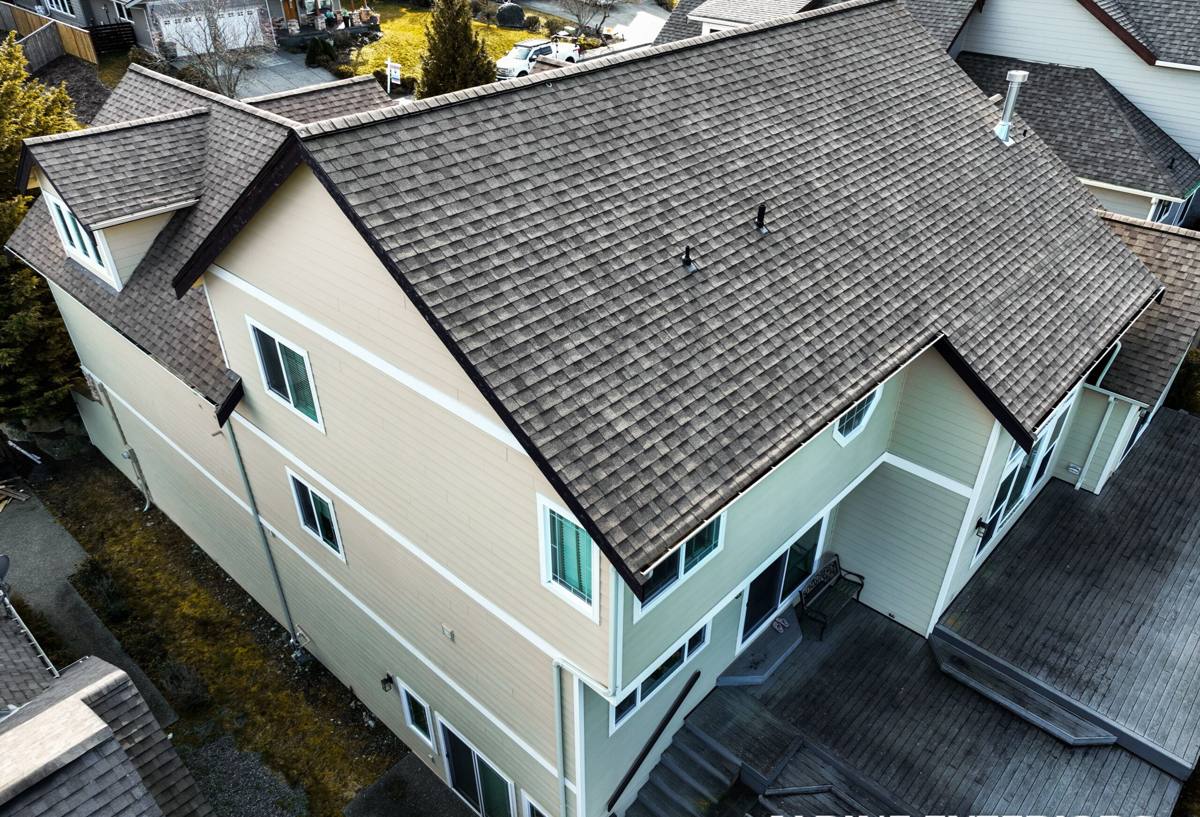
Common Deck Problems We See in Cordata Homes
Ledger Board and Flashing Failures
The ledger board — the framing member that bolts the deck to the house — is the single most important structural piece on most decks, and it's also the piece most exposed to hidden water damage. If the flashing where the deck meets the siding was installed poorly, or has failed over time, rain gets behind it and soaks into the ledger from the inside out. You won't see this from the deck surface. You'll see it as soft or spongy wood when probed, staining on the siding above the deck, or in worse cases, a deck that has started to pull away from the house.
Fastener and Hardware Corrosion
Salt-influenced air moving in off the water accelerates corrosion on any metal fastener, joist hanger, or bolt that isn't rated for it. We regularly find decks where the original builder used standard galvanized hardware instead of hot-dip galvanized or stainless fasteners rated for treated lumber contact. Over ten or fifteen years of damp Whatcom County winters, that hardware rusts, weakens, and in some cases starts eating into the wood around it through a reaction with treated lumber chemicals.
Moss, Algae, and Surface Decay
A long, wet moss season means horizontal wood surfaces — deck boards, stair treads, railing caps — stay damp far longer than vertical siding does. Moss and algae hold moisture against the wood grain, and over time that constant dampness breaks down the wood fibers even on boards that were properly sealed when installed. Shaded sections of a deck, or areas under overhangs that never fully dry out, are almost always where we find the earliest surface decay.
Framing and Joist Damage
Underneath the visible decking, joists and beams can develop rot at connection points, especially anywhere water pools or where old flashing tape has failed. This is the damage that turns a simple board replacement into a bigger structural repair if it's caught late, which is why we always inspect framing, not just the surface, when we're called out for a repair.
What a Correct Deck Repair Actually Involves
Structural Inspection Before Any Board Comes Off
A repair that only replaces the boards you can see is a cosmetic fix, not a real repair. Before we touch decking, we probe the ledger board, check joist hangers for corrosion and movement, and look at the posts and footings for settling or rot at ground contact points. This tells us whether we're dealing with a surface issue or something that's compromised the structure.
Matching Materials to the Damage — and to the Climate
Replacement lumber, flashing, and fasteners all need to be rated for the exposure they're going into, not just whatever matches the existing deck. If the original hardware corroded because it wasn't rated for this climate, replacing it with the same grade of hardware just resets the clock on the same failure. We use fasteners and connectors rated for treated lumber and coastal-influenced exposure, and we correct flashing details rather than just patching around them.
Addressing the Cause, Not Just the Symptom
If a section of decking rotted because water was draining toward the house instead of away from it, replacing the boards without correcting the drainage just delays the same failure. Part of a correct repair is identifying why the damage happened in that specific spot — shade, poor airflow underneath, a flashing gap, a drainage path — and fixing that root cause alongside the visible damage.
Repair or Replace? How We Help You Decide
Not every deck problem calls for a full rebuild, and not every deck is worth patching. The honest answer depends on how far the damage has spread and how the structure underneath has held up. Here's the general framework we use when we're standing on your deck making that call with you:
| Factor | Repair Usually Makes Sense | Replacement Is Often the Better Value |
|---|---|---|
| Extent of rot | Limited to a handful of boards or one framing member | Soft spots spread across multiple joists, beams, or the ledger |
| Ledger board condition | Solid wood behind minor surface wear | Ledger is spongy, delaminating, or was never flashed correctly |
| Age of the structure | Roughly 15-20 years old with sound framing | Original construction predates current flashing and fastener standards |
| Fastener and hardware condition | Light surface rust, connections still structurally sound | Widespread corrosion, hangers loose or pulling from the wood |
| Overall cost comparison | Repair cost is clearly a fraction of a full rebuild | Repair scope has grown to where it approaches rebuild pricing |
We'll walk you through where your deck lands on that spectrum honestly. There's no benefit to us talking a homeowner into a full rebuild when a targeted repair will hold up, and there's no benefit to patching a deck that's going to need the same work again in two years.
Our Deck Repair Process, Step by Step
- Inspection and probe testing. We check decking, railings, ledger, joists, posts, and footings, probing any wood that shows discoloration or softness.
- Written scope of work. You get a clear explanation of what's damaged, what's causing it, and what we recommend — repair, partial rebuild, or full replacement — before any work starts.
- Careful removal. Damaged boards, framing, or hardware are removed without disturbing sound structure around them any more than necessary.
- Correcting the root cause. Flashing, drainage, or ventilation issues that caused the original damage get addressed as part of the repair, not left in place.
- Rebuilding with climate-appropriate materials. New lumber, fasteners, and hardware are matched to what this environment actually requires, not just the cheapest match to what was there before.
- Final walkthrough. We check the repair with you, point out what was fixed and why, and flag anything worth keeping an eye on going forward.
Decking Material Considerations for This Climate
Homeowners in Cordata often ask whether they should repair with the same wood species that's currently on the deck, switch to a different treated lumber grade, or move toward composite decking during a repair. There's no single right answer — it depends on the scope of the repair and your priorities.
Wood decking, when it's a quality treated lumber properly sealed and maintained on a regular schedule, performs well here and is usually the more economical choice for a repair that's blending into an existing deck. The trade-off is that it needs that maintenance — cleaning, sealing, and periodic inspection — to hold up through repeated wet seasons. Composite decking reduces some of that maintenance burden and resists moss and surface decay better on horizontal surfaces, but it comes with a higher upfront cost and its own installation sensitivities, particularly around proper spacing and ventilation underneath to avoid trapping moisture against the framing. We'll talk through both honestly based on what you're repairing and what you want to deal with five or ten years from now, rather than pushing one option across the board.
Maintenance Checklist to Extend Your Repair
A correct repair should last, but a little seasonal attention goes a long way in this climate. This is the same checklist we'd give any Cordata homeowner regardless of who did the work:
- Rinse moss and algae off decking, stairs, and railings each fall before the wet season fully sets in
- Keep gutters and downspouts clear so roof runoff isn't draining directly onto the deck surface
- Check underneath the deck each spring for standing water, soft framing, or signs of pest activity
- Inspect flashing anywhere the deck meets the house for gaps, cracking, or failed sealant
- Re-seal or re-stain wood decking on the schedule the product calls for, not just when it looks faded
- Trim back landscaping that keeps sections of the deck shaded and damp longer than the rest
Signs You Shouldn't Wait to Call
Some warning signs are worth acting on immediately rather than waiting for a scheduled inspection: decking that feels spongy or bouncy underfoot, railings that have developed noticeable play, visible gaps where the deck meets the house, or staining on siding directly above the ledger board. Any of these can point to structural damage that gets more expensive the longer it's left alone.
Why a Local Cordata Crew Makes the Difference
A deck repair crew that only occasionally works north Bellingham has to relearn this climate's failure patterns on your project. A crew that works Cordata and the surrounding Whatcom County neighborhoods regularly already knows which orientations hold moisture the longest, which older subdivisions tend to have undersized original flashing, and which hardware grades actually hold up through repeated wet seasons instead of failing again in a few years. That local pattern recognition shortens the inspection, sharpens the diagnosis, and generally means a more accurate scope of work from the first visit rather than surprises once we open things up.
It also means we're not going anywhere. If a question comes up after the repair, or you want us to take a look at something else on the exterior while we're already there, we're a call away, not a company that drove in from out of the area for a single job.
Get an Honest Look at Your Deck
If your Cordata deck has soft spots, rusted hardware, moss buildup that won't rinse clean, or you're just not sure whether it needs a repair or a full rebuild, we're happy to take a look and give you a straight answer. Use the form below to request a free, no-pressure estimate — we'll tell you what we actually see, not just what's easiest to sell.