 Bellingham Siding
 Building a Deck That Can Actually Handle Sehome's Weather
A deck in Sehome lives a harder life than a deck built somewhere dry and inland. Bellingham sits close enough to the water that salt-laden air reaches homes on the hill, driving rain comes in sideways off the Sound for months at a time, and the moss season stretches from early fall well into spring. None of that is exotic weather for a Whatcom County homeowner — it's just Tuesday — but it does mean a deck built without that reality in mind will show its age fast: soft spots in the decking, rusted fasteners bleeding through the boards, and a green film that never quite goes away no matter how often you sweep it.
A correctly built deck accounts for all of that from the design stage, not as an afterthought. That means choosing materials that tolerate moisture cycling, using hardware that won't corrode, and framing the structure so water actually leaves instead of sitting. It also means understanding how a specific lot in Sehome drains, how much sun a specific deck will see through the tree cover, and how that changes the maintenance a homeowner should expect to do.
What Makes Sehome Different From a Generic Deck Job
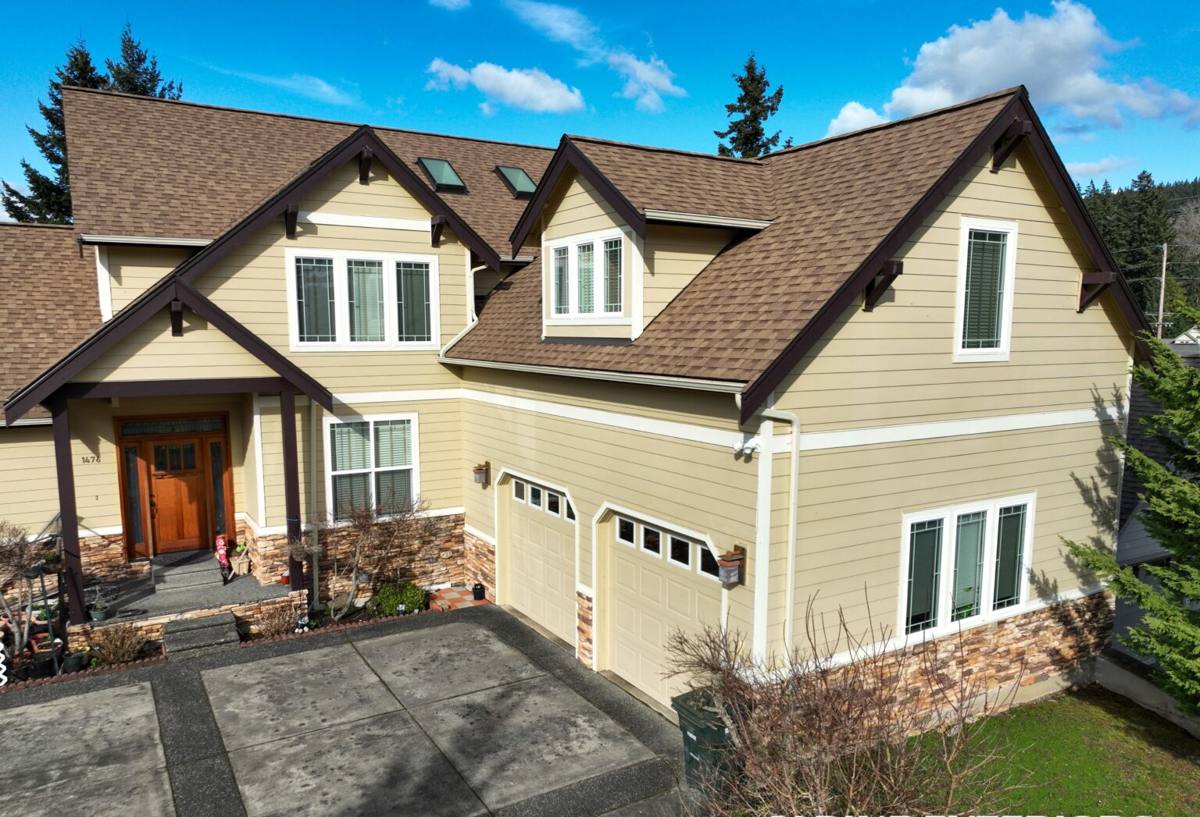
Sehome is a hillside neighborhood close to downtown Bellingham and Western Washington University, with a mix of older homes and newer infill on lots that often slope more than they first appear. That combination shows up in deck work in a few consistent ways:
- Sloped lots frequently call for taller substructures, stepped footings, or multi-level decks rather than a simple single-height platform.
- Mature trees common to the area provide welcome shade in summer but also keep decking damp longer after a storm, which speeds up moss and mildew growth if the material and spacing aren't right.
- Older homes may have ledger connections, siding, or foundations that need extra care and correct flashing details when a new deck ties into the house.
- Narrower streets and driveways typical of an established hillside neighborhood affect how equipment and materials get to the build site, which is worth planning for before the crew shows up.
None of this makes a deck project in Sehome harder in a bad way — it just means the plan has to match the actual lot, not a generic template.
Choosing the Right Decking Material
There is no single "best" decking material for every home — there's a best material for a given budget, look, and how much upkeep the homeowner actually wants to do. In a climate with this much rain and moss pressure, the trade-offs are worth walking through honestly rather than defaulting to whatever is cheapest or trendiest.
Pressure-treated wood
Still the most affordable option and it looks great fresh off the build. The trade-off is maintenance: it needs cleaning and sealing on a regular schedule to keep moisture out of the grain, or it will gray, check, and eventually soften in spots — especially in shaded, damp corners of a yard.
Cedar and other natural woods
A step up in appearance and a naturally better resistance to rot than construction-grade lumber, but still a wood product — it wants the same seasonal attention, and cost runs higher.
Composite decking
Higher upfront cost, but far less annual maintenance. Quality composites resist moisture absorption and won't splinter or need staining, though they do need occasional cleaning to keep moss and algae from taking hold in shaded areas, and board quality varies a lot between manufacturers.
PVC decking
The most moisture-resistant option on the market, since it contains no wood fiber for water to penetrate. It costs the most up front but holds up the longest with the least attention, which matters on a shaded, damp lot.
| Material | Upfront Cost | Moisture Resistance | Maintenance Needed |
|---|---|---|---|
| Pressure-treated wood | Lowest | Fair — depends on sealing | Annual cleaning and sealing |
| Cedar | Moderate | Good | Regular cleaning and periodic sealing |
| Composite | Moderate-High | Very good | Occasional washing |
| PVC | Highest | Excellent | Minimal — occasional washing |
Framing, Flashing, and Footings: What's Underneath Matters More Than What's on Top
The decking boards are the part everyone sees, but the structure underneath is what decides whether that deck is still solid in fifteen years. In a wet climate this deserves extra attention in a few specific spots:
Ledger flashing
Where a deck attaches to the house, the ledger board and its flashing are the single most common source of hidden rot if installed carelessly. Correct flashing sheds water away from the house rather than trapping it behind the ledger.
Hardware and fasteners
Salt air and constant moisture are hard on standard hardware. Stainless steel or heavy hot-dip galvanized fasteners and joist hangers cost more than the bargain-bin versions, but they're the difference between hardware that lasts the life of the deck and hardware that stains the boards and weakens within a few years.
Footings sized for the site
Footing depth needs to meet local frost and load requirements, and on a sloped Sehome lot that often means stepped or engineered footings rather than a uniform depth across the whole deck.
Airflow underneath
A deck built too close to the ground, with no ventilation path for air to move underneath, stays damp longer after every rain — which is exactly what moss and mildew want. Proper clearance and drainage planning underneath the deck matters as much as anything visible on top.
Our Process, Start to Finish
Every deck we build in Sehome follows the same honest sequence — no surprises, no skipped steps:
- Site visit and assessment. We look at slope, drainage, sun exposure, tree cover, and how the deck will tie into the existing house before we talk materials.
- Design and material selection. We walk through the real trade-offs between wood, composite, and PVC for that specific lot and budget — not a one-size-fits-all pitch.
- Permitting. Deck projects in Bellingham and Whatcom County typically require a permit and inspection; we handle that paperwork so it doesn't fall on the homeowner.
- Construction. Footings, framing, flashing, and decking, built in that order with each step checked before the next begins.
- Final walkthrough. We go over the finished deck together, including what maintenance it will actually need given its material and how much shade it gets.
Living With a Deck Through a Whatcom County Winter
Even a well-built deck needs some seasonal attention in this climate — the difference is how much, and how forgiving the material is if a homeowner falls behind for a season. A short maintenance routine goes a long way:
- Sweep leaves and debris off the deck regularly, especially in fall, so they don't trap moisture against the boards.
- Keep gutters and downspouts clear so runoff isn't draining directly onto or under the deck.
- Treat moss and algae as soon as it appears rather than letting it establish, since it's far easier to remove early.
- Reseal wood decking on the schedule appropriate to the product — skipping a year in this climate shows up fast.
- Check railings, stairs, and fasteners once a year for looseness or corrosion staining.
- Confirm flashing at the house connection still sheds water cleanly and hasn't been disturbed by settling or debris.
Why a Crew That Already Works in Sehome Makes a Difference
A contractor who already builds regularly in this neighborhood isn't guessing about how the slope, soil, and drainage on a given lot will behave — they've seen it up close on other jobs nearby. That familiarity also means a smoother permitting process with the City of Bellingham and Whatcom County, since the paperwork and inspection expectations are already understood rather than learned on the fly. It also means practical logistics — getting equipment and materials safely onto a hillside lot with limited street access — are planned for from day one instead of causing delays mid-project.
What Affects the Cost of a Custom Deck
Deck pricing depends on several factors that interact with each other, which is why a fair estimate has to be based on an actual site visit rather than a phone quote. The table below covers the main variables that move the price up or down.
| Cost Factor | Why It Matters |
|---|---|
| Size and shape | Larger decks and non-rectangular layouts require more material and framing labor. |
| Material choice | Pressure-treated wood, cedar, composite, and PVC each carry a different material cost and installation approach. |
| Height and stairs | Taller decks on sloped Sehome lots need more substructure, engineering, and stair runs. |
| Railing style | Wood, metal, cable, and glass railings vary significantly in material and labor cost. |
| Site access and slope | Difficult access or steep grading can add labor time for material handling and footing work. |
| Permitting and engineering | Some designs require stamped engineering in addition to the standard building permit. |
A Deck Built for This Neighborhood, Not a Showroom
The right deck for a Sehome home is the one built to handle salt air, hillside drainage, and a long stretch of damp months without turning into a maintenance headache. That takes honest material choices, correct framing details underneath the surface, and a crew that understands how this specific corner of Bellingham behaves through the wet season. If you're weighing options for a new deck or replacing one that's past its prime, we're happy to take a look at your property and put together a straightforward, no-pressure estimate — just fill out the form below.