 Bellingham Siding
 Roofing in a Neighborhood That Sits Close to the Water
Edgemoor is one of the more distinctive pockets of Bellingham to own a roof in. The lots along the bluff and down toward Bellingham Bay get a steady dose of salt-laden air, the mature tree canopy throughout the neighborhood keeps large sections of roof shaded and damp for most of the year, and the wind off the water during fall and winter storms drives rain sideways under anything that isn't properly detailed. None of that is unique to any one house — it's the deal with living where Edgemoor sits. But it does mean a roof replacement here has to be planned differently than one on a dry, open lot on the east side of Whatcom County.
We're not going to pretend every roof in Edgemoor fails for the same reason or that there's one magic product that solves the climate. There isn't. What matters is understanding how this specific setting — salt exposure, shade, and driving rain — actually wears down a roof system, and then building the replacement to hold up against that instead of against a generic spec sheet.
How This Climate Actually Wears Down a Roof
Salt Air
Proximity to Bellingham Bay means airborne salt settles on roofing materials and exposed metal over time. It's a slow process, but it accelerates corrosion on unprotected fasteners, flashing, and vent housings, and it can dull or streak certain finishes faster than you'd see a few miles inland. It's a reason to pay attention to what metal components go into the system, not a reason to avoid any particular roofing material outright.
Driving Rain
Storms off the water don't always fall straight down. Wind-driven rain gets pushed up under shingle tabs, into open valleys, and behind poorly lapped flashing — spots that would stay dry in a calmer rain event. Roofs here need extra attention at every transition: valleys, sidewalls, chimneys, skylights, and eaves.
Moss and Shade
Edgemoor's tree cover is part of what makes the neighborhood attractive, but it also means many roofs stay shaded and damp long after a storm has passed elsewhere in Bellingham. That extended dampness is exactly what moss and algae need to take hold. Once moss establishes itself, it holds moisture against the roofing surface, works its way under shingle edges, and can shorten the life of an otherwise sound roof by years.
Signs a Roof in Edgemoor Is Ready for Replacement
Because of the shade and moisture load here, roofs can look worse — with visible moss and staining — before they're actually failing, and they can also fail structurally while still looking presentable from the ground. A proper inspection looks past the surface. Common signs we look for during an Edgemoor roof evaluation:
- Shingles that are cupping, curling at the edges, or missing granules in patches
- Moss growth thick enough to lift shingle tabs, not just surface discoloration
- Soft or spongy spots on the roof deck, often found near valleys or eaves
- Rusted, loose, or corroded flashing around chimneys, vents, and sidewalls
- Daylight or water staining visible in the attic, especially after a windy rain
- Granules collecting in gutters, a sign the shingle surface is breaking down
- Ice-dam or backed-up water staining along the eaves from past winters
Any one of these on its own might just mean a repair. Several together, or a roof past 20-25 years old, usually means it's time to talk about full replacement instead of patching a system that's already past its useful service life.
Choosing a Roofing System for an Edgemoor Home
There's no single "correct" material for this neighborhood — the right choice depends on the home's style, roof pitch, tree exposure, and budget. What we do insist on is matching the product to the conditions it will actually face. Here's how the common options compare for a shaded, coastal-adjacent Bellingham property:
| Material | How It Handles This Climate | Maintenance Reality |
|---|---|---|
| Architectural asphalt shingle (algae-resistant) | Solid moisture and wind performance; copper- or zinc-infused granules resist moss and algae growth in shaded areas | Low — periodic soft washing and gutter clearing |
| Standard (non-algae-resistant) shingle | Same wind and rain performance, but far more prone to moss and streaking under heavy tree cover | Higher — earlier moss treatment and cleaning needed |
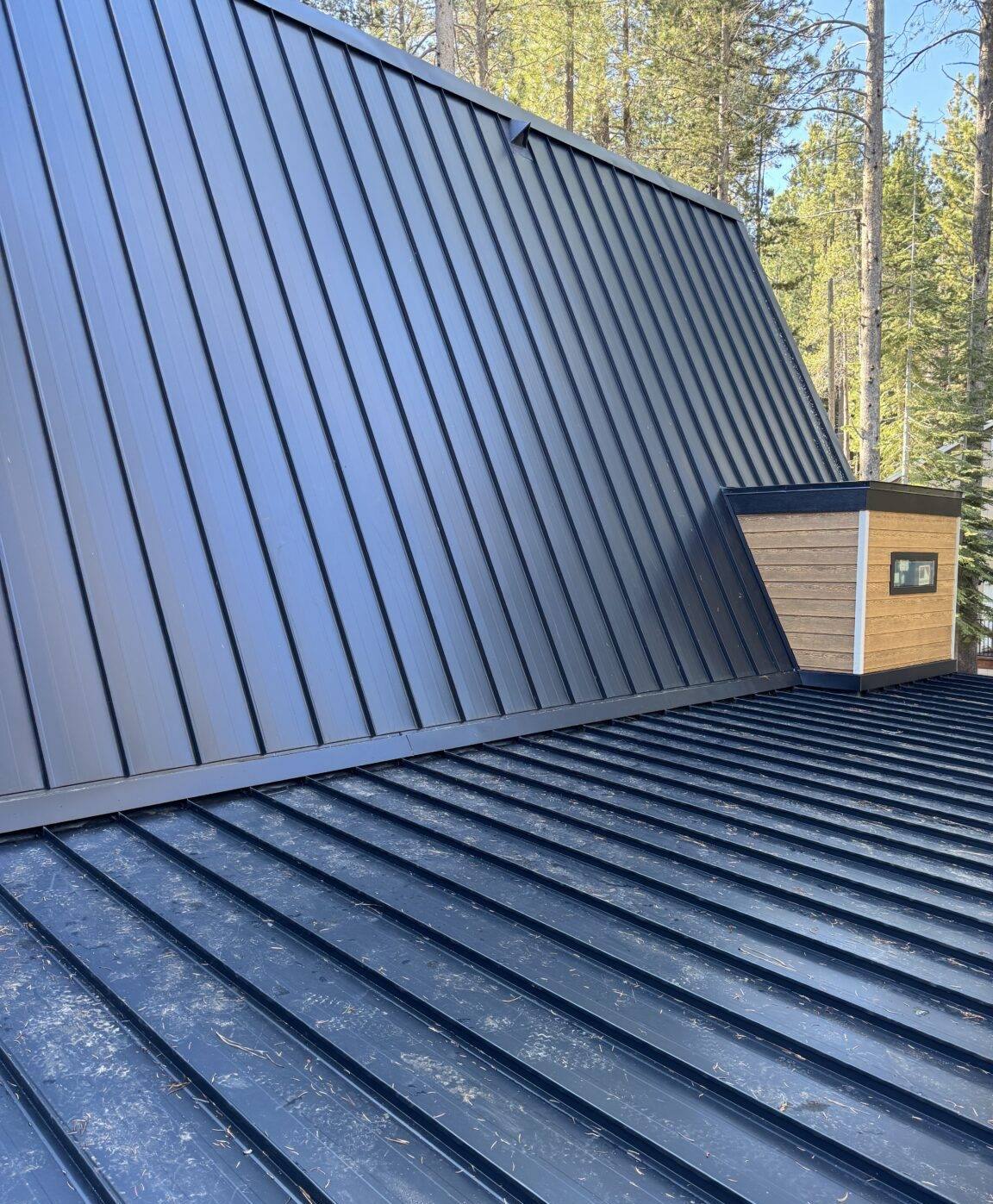
| Standing seam metal | Excellent water shedding on steeper pitches; sheds moss better since there are no shingle laps to trap moisture, but needs coastal-grade fasteners and coatings near the bay | Low once installed correctly; watch fastener quality over time |
| Cedar shake | Traditional look that suits many Edgemoor homes, but shade and moisture make it the highest-maintenance option in this specific setting | High — regular treatment and inspection required |
For most Edgemoor homes we work on, algae-resistant architectural shingles or a properly detailed metal system are the two options that make the most practical sense — one for value and proven performance, the other for homes with steep pitches or owners who want the lowest long-term maintenance. We'll walk through the honest trade-offs for your specific roof rather than pushing one product line.
What a Correct Roof Replacement Actually Involves
A roof replacement is more than swapping old shingles for new ones. In a climate like this, the details underneath the visible surface matter as much as the material on top. A job done right includes:
- Full tear-off to bare decking — never installing a new layer over old, failing material
- Deck inspection and replacement of any soft, rotted, or delaminated sheathing
- Ice-and-water shield membrane at eaves, valleys, and other vulnerable transitions
- Synthetic underlayment rated for extended exposure, since shaded areas take longer to dry
- New flashing at every penetration — chimneys, vents, skylights, and sidewalls
- Balanced intake and exhaust ventilation sized correctly for the attic
- Corrosion-resistant fasteners and metal components suited to salt-air exposure
- Final walk-through and cleanup, including magnetic sweep for stray nails
Skipping any one of these steps is usually where "cheap roof" turns into "roof that fails in eight years instead of twenty-five." The materials on top only perform as well as what's underneath them.
Ventilation and Moisture Control Deserve Extra Attention Here
Because Edgemoor's tree cover keeps roofs cooler and damper than an open lot would be, attic ventilation isn't optional — it's one of the most important parts of the system. A poorly ventilated attic traps moisture, which speeds up deck rot from underneath and creates ideal conditions for moss to thrive on the surface above it. During replacement, we check intake at the soffits and exhaust at the ridge, and correct any imbalance before the new roofing goes on. Getting this right does more for a roof's long-term health in this climate than almost any other single decision.
Permits and Practical Considerations for This Neighborhood
Roof replacement in Bellingham and unincorporated Whatcom County generally requires a building permit, and we handle that paperwork as part of the job so it isn't left on the homeowner's plate. Edgemoor's mature trees and, in some cases, mature landscaping or established plantings close to the house mean access and material staging need more planning than a wide-open lot — dumpster placement, ladder access, and protecting plantings during tear-off all get worked out before the crew shows up, not figured out on the fly.
Why a Crew That Already Knows Edgemoor Matters
A roofing crew that has already worked on homes in this part of Bellingham isn't guessing at how the tree cover, bay-facing exposure, or older roof framing common to the neighborhood will behave. That familiarity shows up in practical ways: knowing which detailing choices actually hold up against wind-driven rain off the bay, sizing ventilation correctly for shaded attics instead of a generic average, and specifying fasteners and flashing that won't corrode prematurely from salt exposure. It also means fewer surprises during tear-off, since older Edgemoor homes can have roof framing or decking quirks that a crew unfamiliar with the area's housing stock might not anticipate.
Our Process, Start to Finish
We keep the process straightforward and communicate at every stage:
- Free on-site inspection and honest assessment of what your roof actually needs
- A clear, written estimate that spells out materials, scope, and price — no vague allowances
- Permit handling with the City of Bellingham or Whatcom County as required
- Scheduling that accounts for weather windows typical to this part of the county
- Full tear-off, deck repair as needed, and correct installation of every underlying layer
- Daily site cleanup and a final walk-through before we consider the job done
If you're weighing repair versus replacement, or just want an honest read on how much life is left in your current roof, we're happy to take a look. The estimate is free, there's no pressure attached to it, and you'll get a straight answer either way — you can request one using the form below.