 Bellingham Siding
 Ferndale's Weather Is Harder on Windows Than It Looks
Ferndale sits close enough to the water and the open flats north of Bellingham that homes here take a different kind of weathering than houses further inland. It's not dramatic — no hailstorms, no hurricane-force gusts most years — but it's constant. Salt-tinged air off the Sound and the Strait, wind-driven rain that comes in sideways more often than straight down, and a moss season that can stretch from October into May all add up to slow, steady wear on window frames, seals, and sills. Most of that wear is invisible until a window starts sticking, fogging between the panes, or letting a draft through that wasn't there two winters ago.
Custom windows done right for this area aren't just about picking a style you like. They're about materials and installation details that hold up to repeated wetting and drying cycles, occasional salt exposure, and long stretches where the wood around a window opening simply doesn't get a chance to fully dry out.
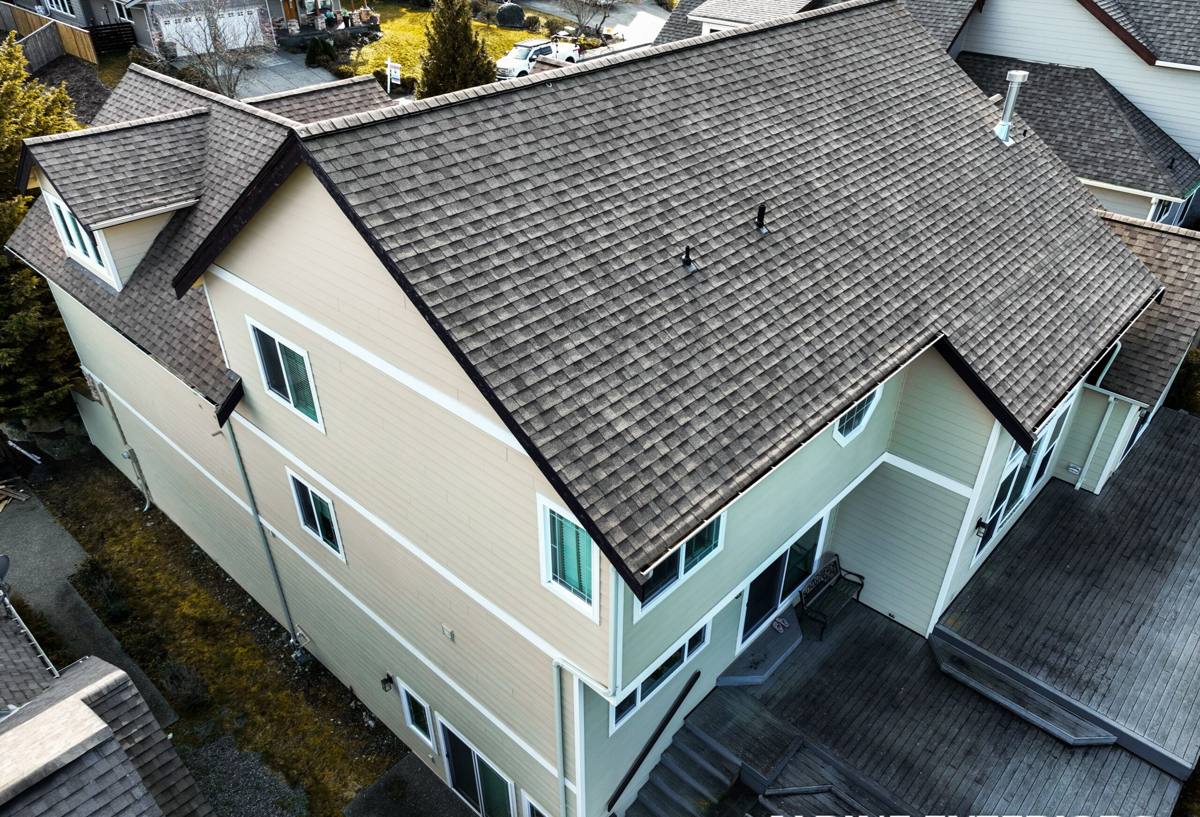
Three Climate Factors That Shape a Good Window Job Here
Salt Air and Hardware Corrosion
Ferndale isn't oceanfront, but the marine air that moves through Whatcom County carries enough salt to accelerate corrosion on unprotected metal — hinges, cranks, locks, and screws. Over years, that shows up as stiff or seized hardware and staining on sills and frames. It's a slower problem than a bad flashing job, but it's a real one, and it's why hardware finish and metal grade matter more here than they would on a window installed fifty miles inland.
Driving Rain, Not Just Rain
The distinction matters: a window that sheds water fine in a straight downpour can still leak under wind-driven rain, because water gets pushed sideways and upward against the frame instead of just running down the glass. Ferndale gets enough of this wind-and-rain combination that flashing details around the window opening — not just the window unit itself — determine whether water stays out or finds its way behind the siding.
A Long Moss and Algae Season
Shaded sills, north-facing walls, and anywhere airflow is limited tend to grow moss, algae, and mildew for a good chunk of the year in this part of Whatcom County. On windows, that growth holds moisture against wood trim and finish longer than it would in a drier climate, which is part of why sill design and drainage details matter as much as the glass itself.
Signs a Window Is No Longer Doing Its Job
Most homeowners don't notice a failing window until it's fairly far along. A few things worth checking before problems get expensive:
- Condensation or fogging between the panes (a sign the seal has failed, not something a cleaning fixes)
- Visible gaps, soft spots, or discoloration in the wood trim or sill around the window
- Windows that are hard to open, close, or lock — often a sign the frame has shifted or swollen
- A noticeable draft near the window even when it's fully closed and latched
- Moss, algae, or persistent green staining building up on sills or lower frames
- Paint or finish that's peeling or bubbling specifically around the window opening, not the wall in general
- Rooms near certain windows that feel noticeably colder or more humid than the rest of the house
Any one of these on its own might not mean much. Several together, especially on the side of the house that faces prevailing wind and rain, usually means the window and its surrounding flashing are due for attention.
What a Correct Custom Window Installation Actually Involves
It Starts Below the Window, Not At It
A window is only as good as the opening it sits in. Before a new unit goes in, the sill needs a proper sloped pan flashing so any water that gets past the window has somewhere to go — out, not into the wall cavity. This is the step that gets skipped most often on rushed jobs, and it's the one that causes the most expensive hidden damage over time, since rot inside a wall isn't visible until it's advanced.
Flashing Sequence Matters
Housewrap, flashing tape, and trim need to be layered so water always sheds outward and downward — like shingles. Get the order wrong and you can actually funnel water into the wall instead of away from it. On a home taking regular wind-driven rain off the Sound, this sequencing is not optional detail work — it's the difference between a window that lasts twenty-plus years and one that causes a repair bill in five.
Sealing the Right Places, Not Everywhere
New construction and replacement windows also need to breathe correctly — sealing the interior air barrier tight while leaving the exterior able to drain and dry is a deliberate balance, not just running a bead of caulk around every visible gap. Over-sealing the outside can trap moisture that got in some other way, which is its own slow problem in a climate this damp.
Choosing Glazing for Our Actual Weather
Low-E coated, double- or triple-pane glazing is the standard for this region — it cuts heat loss in winter and reduces glare and heat gain on the occasional sunny stretch. Argon or krypton gas fill between panes adds a modest efficiency boost. For Ferndale specifically, the bigger practical concern is usually the seal quality and the spacer material at the edge of the glass, since that's where seal failure and interior fogging start, especially with repeated damp-and-dry cycling.
Comparing Frame Materials for a Coastal Whatcom County Climate
| Frame Material | How It Handles Salt Air & Moisture | Maintenance | Typical Fit |
|---|---|---|---|
| Vinyl | Doesn't corrode or rot; performs consistently in damp, salt-tinged air | Low — occasional cleaning | Good value, wide style range, most common choice locally |
| Fiberglass | Very stable in wet, temperature-swinging conditions; resists warping | Low | Higher upfront cost, strong long-term performance |
| Wood-clad | Interior wood needs protection from condensation; exterior clad shields from rain | Moderate to higher — clad exterior is durable, wood interior needs care | Best for homes wanting a traditional wood look inside |
| Aluminum | Prone to corrosion and thermal conductivity issues in salt-air, damp climates | Higher — finish and seals need monitoring | Generally not our first recommendation for this climate |
We'll talk through actual trade-offs for your home rather than push one material across the board — a shaded, moss-prone north wall and a sun-exposed south wall on the same house can reasonably call for different answers.
Our Process, Start to Finish
- On-site assessment. We look at existing window condition, framing, siding interface, and any moisture history before recommending anything.
- Honest product recommendation. We walk through frame material, glazing, and style options suited to that specific wall and exposure, with real pricing ranges, not upsells.
- Careful removal. Old units come out without unnecessary damage to surrounding siding or trim, and we check the opening underneath before anything new goes in.
- Correct flashing and sill pan installation. This is the step that determines whether the job holds up in ten years, done every time, not just when it's convenient.
- Installation and air-seal detailing. Windows are shimmed, leveled, and sealed correctly on both the interior and exterior sides.
- Cleanup and final walkthrough. We test operation on every window, confirm locks and hardware function smoothly, and walk the job with you before calling it done.
Why Hiring a Crew That Already Works in Ferndale Matters
Window installation isn't identical everywhere, even within the same county. A crew that regularly works Ferndale and the surrounding Bellingham area already knows which wall exposures tend to take the worst wind-driven rain, which older home styles in the area have particular framing quirks around window openings, and how Whatcom County's permitting and inspection process works for window replacement projects. That familiarity shortens the guesswork on your job and reduces the chance of a callback for something that should have been caught the first time.
It also matters for follow-up. If a question comes up two years after installation — a hardware adjustment, a seal check, a question about condensation on a cold morning — a local crew is easy to reach and already has your job on file, rather than being a call center for a company based somewhere else.
Living With New Windows in This Climate
Even a correctly installed window benefits from a little seasonal attention here. A few habits that go a long way:
- Rinse sills and tracks periodically to keep moss, algae, and debris from holding moisture against the frame
- Check that weep holes on the exterior sill stay clear so water can drain out as designed
- Operate locks and cranks a few times through the winter so hardware doesn't seize from disuse combined with damp air
- Keep an eye on interior condensation on cold mornings — occasional light fogging on the glass is normal, but moisture collecting on the frame or sill is worth a look
None of this is heavy maintenance. It's the same kind of attention any exterior feature needs in a climate that stays damp as much of the year as Whatcom County does.
Getting Started
If your windows are original to the house, showing condensation between panes, or just letting more draft and moisture through than they used to, it's worth having them looked at before another wet season sets in. We offer free, no-pressure estimates for custom window projects in Ferndale and the surrounding Bellingham area — use the form below to get a time on the calendar.