 Bellingham Siding
 Roofing in Happy Valley Comes With Its Own Set of Problems
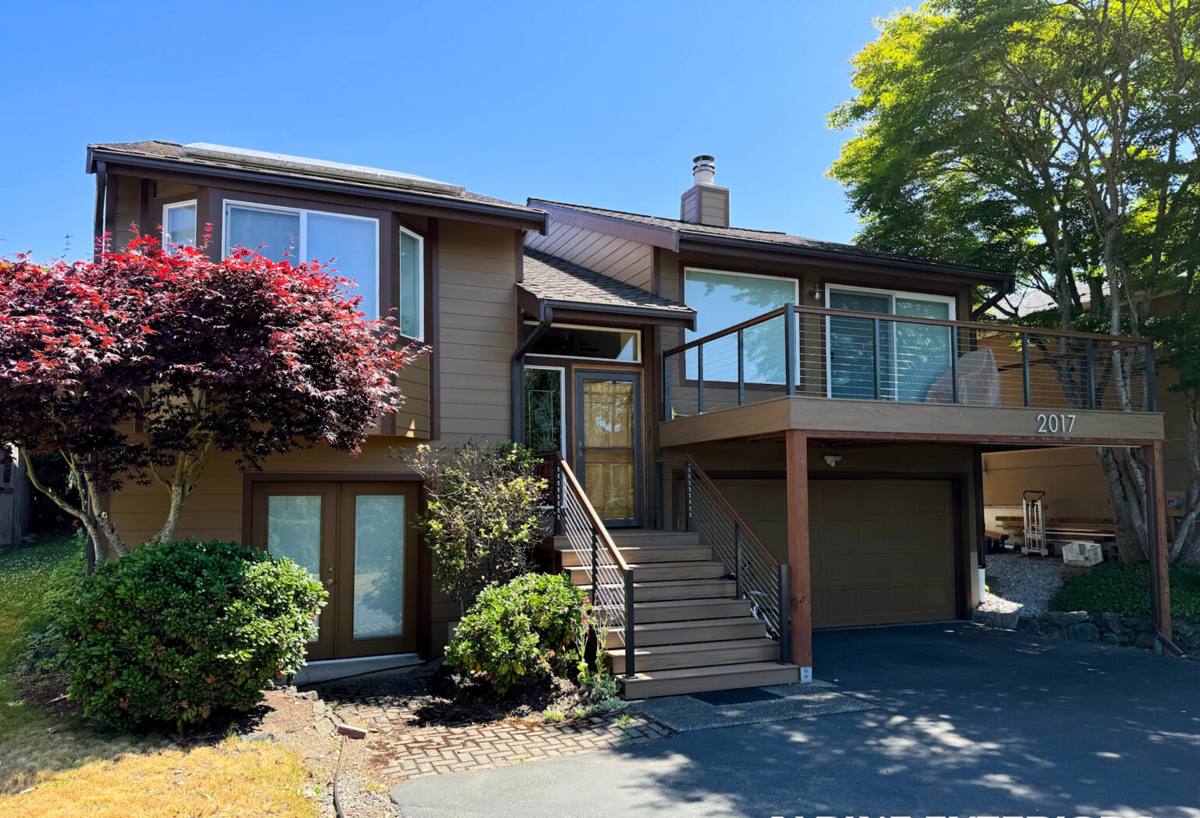
Happy Valley sits close enough to Bellingham Bay and the surrounding hills that homes here take a specific kind of weathering — salt-tinged air moving in off the water, long stretches of driving rain through the fall and winter, and shade from mature trees that keeps roof surfaces damp far longer than homes in drier, more open parts of Whatcom County. None of that is dramatic on its own. It's the accumulation, year after year, that shortens the life of a roof that wasn't built or maintained for this specific mix of conditions.
A roof replacement in this neighborhood isn't just "put new shingles on top of the old ones and move on." It's an opportunity to correct whatever set the last roof up to fail early — poor ventilation, undersized underlayment, flashing that was never sealed right, or moss that was left to work its way under the shingle mat for years. This page covers what that actually looks like: how the local climate wears on a roof, what a correct replacement involves, and how our process works from first look to final walkthrough.
What Salt Air, Rain, and Moss Actually Do to a Roof
Salt Air
Homes closer to Bellingham Bay pick up a fine salt residue carried in on marine air. Over time this accelerates corrosion on exposed metal — flashing, fasteners, gutter hardware, and vent stacks. A roof with untreated or lower-grade metal components will show rust and pitting years before a comparable roof further inland. This is one of the reasons material and fastener choice matters more here than in a lot of other parts of the state.
Driving Rain
Bellingham's rain doesn't always fall straight down. Wind-driven rain off the water pushes moisture sideways and up under shingle edges, around chimneys, and into valleys and roof-to-wall transitions — the exact spots where a roof is most likely to leak if flashing and underlayment weren't installed correctly the first time. A roof that would perform fine in calmer weather can still fail here if those transition points were cut corners.
Moss and Shade
Whatcom County's moss season runs long — realistically most of the year in shaded, north-facing, or tree-covered sections of a roof, which describes a lot of lots in and around Happy Valley. Moss holds moisture against the roofing surface, lifts shingle edges as it grows, and works its way into laps and seams. Left unaddressed for a few seasons, it doesn't just look bad — it shortens the roof's life by keeping the deck and underlayment wet far more often than they were designed to handle.
Repair or Replace? Reading the Signs Correctly
Not every aging roof needs full replacement, and we won't tell a homeowner they do when they don't. But there are signs that point clearly toward replacement rather than another round of patching:
- Granule loss heavy enough that you can see bare asphalt on multiple slopes, not just one worn spot
- Shingles that are curling, cupping, or cracking across large sections rather than a few isolated pieces
- Moss or algae staining that keeps returning within a season or two of cleaning
- Soft spots or sagging in the roof deck when walked, which usually means the decking itself has taken on moisture damage
- Repeated leaks in different spots each winter rather than one consistent, repairable location
- A roof original to the home and past 20–25 years old, especially if it's never had ventilation upgrades
- Daylight visible through the attic or consistently damp attic insulation
If a roof shows one or two of these signs, a targeted repair might still make sense. If several show up together, it's usually a sign the roofing system as a whole — deck, underlayment, and surface material — has reached the end of its useful life together, and patching one area just shifts the failure point somewhere else.
Choosing a Roofing Material for This Climate
There's no single "best" roofing material — the right choice depends on the home's roof pitch, the amount of shade it gets, the budget, and how much long-term maintenance the homeowner wants to take on. Here's how the common options compare specifically against Whatcom County's moss-and-rain conditions:
| Material | Moss Resistance | Driving Rain Performance | Typical Lifespan Here | Maintenance |
|---|---|---|---|---|
| Architectural asphalt shingle | Moderate — benefits from copper/zinc strips or granule treatment | Good with proper underlayment and flashing | 20–30 years | Periodic moss treatment recommended |
| Standing seam metal | High — sheds moss and debris well due to smooth, steep-friendly surface | Excellent when seams and flashing are done correctly | 40–50+ years | Low; occasional fastener/coating check |
| Synthetic/composite shake | Moderate to high depending on product | Good, but installation detail matters more than with metal | 30–40 years | Low to moderate |
| Cedar shake | Low without diligent upkeep — shade and moisture accelerate decay | Fair; requires careful detailing and regular treatment | Varies widely with maintenance | High — regular cleaning and treatment needed |
We'll talk through these tradeoffs honestly for your specific roof rather than pushing one product across every home. On heavily shaded lots common in Happy Valley, we lean toward materials and details that shed moisture and resist moss buildup, because that's what the site conditions call for — not because of a brand preference.
What a Correct Roof Replacement Actually Involves
A roof replacement is only as good as the layers nobody sees once it's finished. Here's what should happen on any full replacement, and what we make sure happens on every one we do:
Tear-Off and Deck Inspection
Full removal of the old roofing down to the deck, not an overlay. This is the only way to actually assess the condition of the sheathing underneath — soft, delaminated, or water-stained decking needs to be identified and replaced before anything new goes down, otherwise the new roof is sitting on a compromised base.
Underlayment
Given how much wind-driven rain this area sees, underlayment choice matters. Ice-and-water shield or a comparable self-adhering membrane at eaves, valleys, and roof penetrations gives real protection against wind-driven moisture finding its way under the surface material — this is one of the details that separates a roof that holds up through Whatcom County winters from one that doesn't.
Flashing
New flashing at every chimney, skylight, sidewall, and valley — not reused flashing from the old roof. Flashing is where the majority of roof leaks actually start, and it's cheap insurance compared to the cost of chasing a leak later.
Ventilation
A roof deck that can't breathe traps moisture from the inside, which compounds the moisture already coming from outside during a long, damp season. Balanced intake and exhaust ventilation keeps the deck drier, extends shingle life, and reduces the conditions moss needs to take hold in the first place.
Fasteners and Metal Components
Corrosion-resistant fasteners and flashing metal, chosen with the salt air off Bellingham Bay in mind. This is a small line-item cost that prevents an outsized problem ten or fifteen years down the road.
Our Process, Start to Finish
- On-site inspection. We walk the roof and the attic, not just look from the ground, and check for the deck, ventilation, and flashing issues described above.
- Honest assessment. We tell you whether you need a replacement, a repair, or something in between — and explain why, in plain terms.
- Written estimate. Material options, scope of work, and cost laid out clearly, with no vague allowances hiding inside the number.
- Scheduling around the weather. We plan tear-off in windows that limit how long your deck is exposed, which matters more here than in drier climates.
- Tear-off and deck repair. Full removal, deck inspection, and replacement of any compromised sheathing before anything new goes on.
- Underlayment, flashing, and ventilation installed to spec. The layers that actually determine how the roof performs over the next 20–30 years.
- Final walkthrough. We go over the finished roof with you, not just hand you an invoice and leave.
What Roof Replacement Costs Depend On
We don't publish flat pricing because roof cost genuinely varies by home — but the factors that move the number the most are consistent from job to job:
| Factor | Why It Matters |
|---|---|
| Roof size and number of planes | More square footage and more complex geometry mean more material and labor |
| Roof pitch and accessibility | Steeper or harder-to-access roofs take longer and require more safety setup |
| Deck condition | Rotted or delaminated sheathing found during tear-off adds material and labor to replace it |
| Material choice | Asphalt, metal, and composite products carry different material and install costs |
| Ventilation and flashing scope | Adding or correcting ventilation and flashing systems adds work but reduces long-term risk |
| Number of penetrations | Chimneys, skylights, and vents each need individual flashing detail |
The honest answer is that we can't give a real number without seeing the roof — anyone quoting a full replacement over the phone without an inspection is guessing, and that guess is rarely in your favor once the job starts.
Why a Crew That Already Works Happy Valley Matters
A roofing crew that regularly works this neighborhood already knows which lots hold shade the longest, where moss tends to come back fastest, and how the wind and rain typically move through this part of Bellingham. That's not a marketing point — it changes real decisions, like where ice-and-water shield gets extended, how ventilation gets balanced on a heavily shaded roof, or which flashing details get extra attention on a home exposed to salt air off the bay. A crew unfamiliar with the area is starting from zero on all of that, and it shows up in how the roof performs a few years out, not on installation day.
A Simple Checklist Before You Hire
- Do they inspect the attic and deck, not just look at the roof from a ladder or the ground?
- Is the estimate itemized, or one vague lump sum?
- Do they explain ventilation and underlayment specifics, or just talk shingle brand?
- Are they licensed and insured for roofing work in Washington State?
- Do they have local experience with Whatcom County's moss and rain conditions specifically?
- Will they put material, warranty, and scope details in writing before work begins?
If a contractor can't answer these clearly, that's worth noticing before, not after, they're on your roof.
If your roof in Happy Valley is showing its age — or you just want an honest read on how much life it has left — we're glad to come take a look. The estimate is free, there's no pressure attached to it, and you'll get a straight answer either way. Use the form below to get started.