 Bellingham Siding
 If you're building new in Lynden, the windows are one of the few components on the job that only get installed once. Get the flashing sequence wrong at framing stage and you won't see the consequence for a year or two — by then it's hidden behind siding, trim, and drywall, and the fix means tearing into finished work. We install new-construction windows for homes going up throughout Whatcom County, and the method we use is built around what this specific climate does to a house over time: long stretches of wind-driven rain, a moss season that runs most of the year, and moisture-laden marine air that doesn't let up just because a lot has good drainage.
Building New in Lynden: Why Window Installation Method Matters
New-construction window work happens at a specific moment in the build — after the sheathing and weather-resistive barrier (WRB) are on, before siding goes up. That timing is what makes it different from every other kind of window job. There's no existing frame to work around and no old flashing to inspect and patch. The rough openings are raw, the water management layer is exposed, and everything you build into that opening becomes permanent once the cladding closes over it.
That's an advantage if the install is done right — you get a clean, fully integrated water management system with no compromises. It's a liability if it's rushed, because there's no second chance to catch a bad seal once the siding crew shows up behind you.
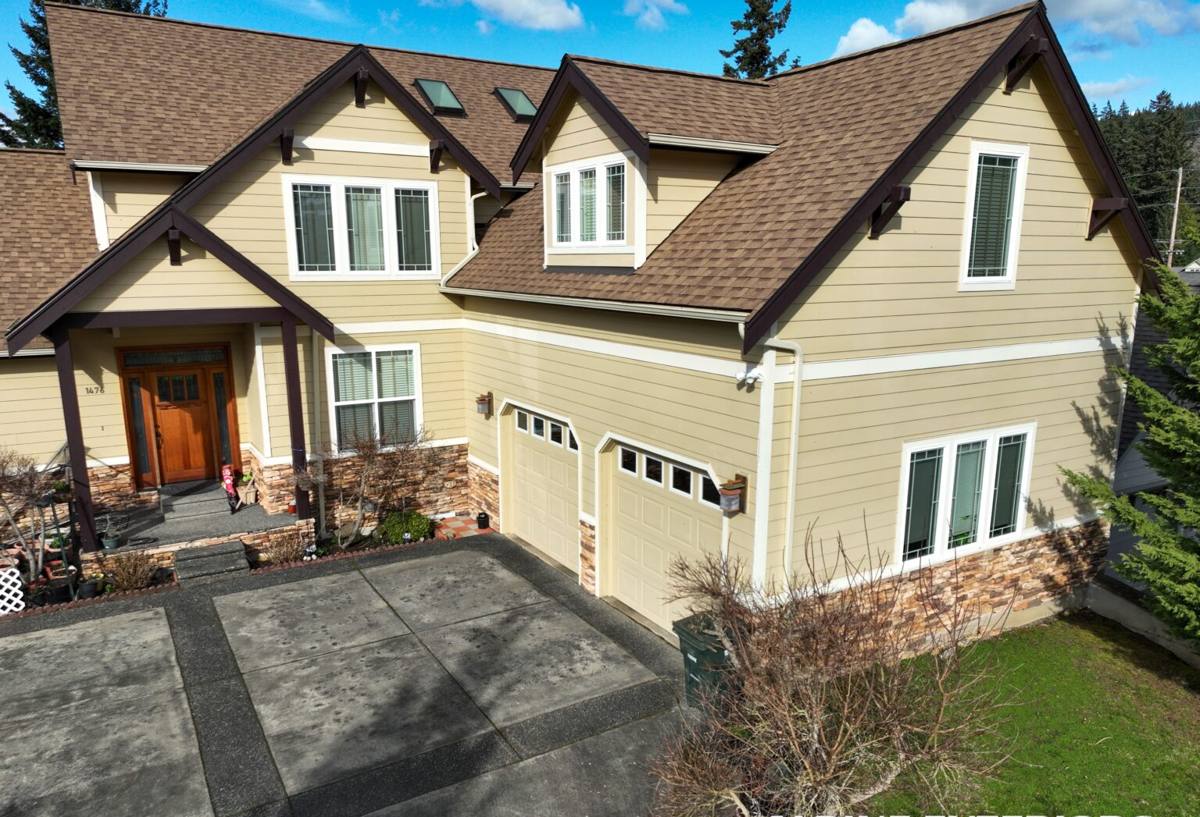
What This Climate Asks of a New-Construction Window
Whatcom County sits in a wet marine climate, and Lynden gets its share of it even set back from the water. A few things shape how we detail every opening:
- Driving rain events. Fall and winter storms push rain sideways, not just down. A window that only sheds water off the top will leak the first time wind direction changes mid-storm.
- A long moss and mildew season. Shaded, north-facing walls and anything under an eave overhang stay damp for months at a stretch. Sealant joints and sill details that trap moisture instead of shedding it become breeding ground for growth and slow rot.
- Salt-tinged, humid air. Being inland doesn't fully insulate a house from the corrosive, moisture-heavy air that moves through this part of the Sound region. Hardware, fasteners, and finishes that aren't rated for it degrade faster than homeowners expect.
- Seasonal freeze-thaw swings. Not extreme, but enough that trapped water in a poorly built sill or jamb can freeze, expand, and open up a path for more water the next time it rains.
None of this means Lynden needs exotic materials. It means ordinary materials installed with the sequence and slope details that actually shed water, every time, for the life of the house.
New-Construction vs. Replacement: Not the Same Job
It's worth being clear about the distinction, because a lot of window marketing blurs it. Replacement windows get inserted into an existing, already-clad opening — the old frame usually stays, and the new unit is sealed into it from the interior and exterior trim. New-construction windows are nail-fin (or flange) units that get fastened directly to the sheathing through the open stud bay, with their flanges integrated directly into the WRB before any cladding goes on.
That means new-construction work gives us full access to build a continuous drainage plane — sill pan, jamb flashing, head flashing, and WRB laps all working together — instead of sealing around an existing opening after the fact. It's a better system when it's available, which is exactly why getting it right at this stage matters so much.
What a Correct Install Actually Involves
A window that performs for decades in this climate isn't about the brand on the sticker — it's about sequence. Here's what has to happen at every opening, in order:
- Rough opening check. Verify the opening is square, plumb, and sized correctly before the window ever gets set. A slightly out-of-square opening now becomes a lifetime of stress on the frame and sealant joints.
- Sill pan flashing. A sloped, back-dammed sill pan directs any water that gets past the window back outside instead of into the wall cavity. This is the single most common detail skipped on rushed jobs, and the one that causes the most damage when it's missing.
- Window set and fastening. The unit is shimmed level, plumb, and square, then fastened per the manufacturer's schedule — not just "enough nails to hold it."
- Flashing tape, shingle-lapped. Self-adhered flashing at the jambs, then the head, laps over the WRB in the correct order — like shingles — so water draining down the wall never meets an upward-facing seam.
- WRB integration. The housewrap or building paper above the window laps over the head flashing, closing the drainage plane completely before siding covers it.
- Insulation and air sealing. Low-expansion foam or backer rod and sealant fills the gap between frame and rough opening — enough to seal and insulate without bowing the frame out of square.
- Exterior trim and final sealant. Joints get sealed with a product rated for this climate's temperature swings and UV exposure, not the cheapest tube on the shelf.
Choosing Frame Materials for This Climate
Frame material matters less than installation, but it's still a real decision, and different materials trade off differently in a wet, temperature-swinging climate like this one.
| Frame Material | Moisture Resistance | Maintenance | Typical Cost Tier |
|---|---|---|---|
| Vinyl | Good — won't rot, but seams and welds matter | Low — occasional cleaning | Lower |
| Fiberglass | Very good — dimensionally stable through temperature swings | Low | Mid to upper |
| Aluminum-clad wood | Good exterior protection with a warmer wood interior; exposed end grain and joints need attention | Moderate — cladding needs periodic inspection | Upper |
We'll walk you through the real trade-offs for your specific elevations and exposure — a shaded north wall and a rain-exposed west wall don't always call for the same product.
Meeting Washington's Energy Code and Local Permitting
New-construction windows in Whatcom County have to meet Washington State Energy Code requirements for our marine climate zone, and bedroom windows have to meet egress sizing and sill-height rules regardless of energy performance. Building departments here inspect window rough-in and flashing before drywall closes the wall — and if that inspection catches an incomplete flashing detail, it holds up the whole framing-to-drywall schedule for your builder. We detail every opening to pass that inspection the first time, not to get lucky on the walk-through.
Coordinating With Your Builder or General Contractor
Window install on a new build has to land at exactly the right moment — after the WRB is on and dry, before the siding crew needs the walls closed up. Show up too early and the WRB isn't ready; show up too late and you're the reason the siding schedule slips. We work directly with your GC or builder on timing, confirm window orders and sizes against the plan set before they're needed on site, and flag any opening that doesn't match the approved dimensions before it becomes a framing change order.
What to Confirm Before Windows Get Signed Off
- Sill pans are installed and sloped outward at every opening, not just the ones facing the weather
- Flashing tape is lapped shingle-style — head over jamb over WRB, never reversed
- Every window is shimmed plumb, level, and square, not just fastened tight
- Fastening follows the manufacturer's schedule for wind and structural load in this region
- Interior and exterior sealant joints are complete before insulation or siding covers them
- Egress-required bedroom windows meet minimum opening size and sill height
- U-factor and performance labels match what's specified in the energy code compliance documents
Why a Crew That Already Works in Lynden Matters
A lot of window problems in this region trace back to a crew that installed correctly for a drier climate somewhere else. We work new-construction windows across Whatcom County and know what the local building department looks for at inspection, how exposure differs between a wooded lot and an open field on the Lynden side of the county, and which details actually matter once the driving rain and moss season set in. That's the difference between a window that passes inspection and one that still performs after five winters of this weather.
If you're building new in Lynden and want windows installed the way this climate actually requires, we'll walk your plan set with you and give you a straightforward, no-pressure estimate — just fill out the form below to get started.