 Bellingham Siding
 New-Construction Windows Built for Barkley's Climate
Barkley sits close enough to the water and to Bellingham's tree cover that homes here take a specific kind of weather beating: salt-laden air drifting off Bellingham Bay, long stretches of driving rain through fall and winter, and a moss season that seems to start earlier every year. New-construction windows installed correctly the first time hold up to all of that. Windows installed with shortcuts don't, and the failures usually don't show up until year three or four, well after the crew that did the work has moved on.
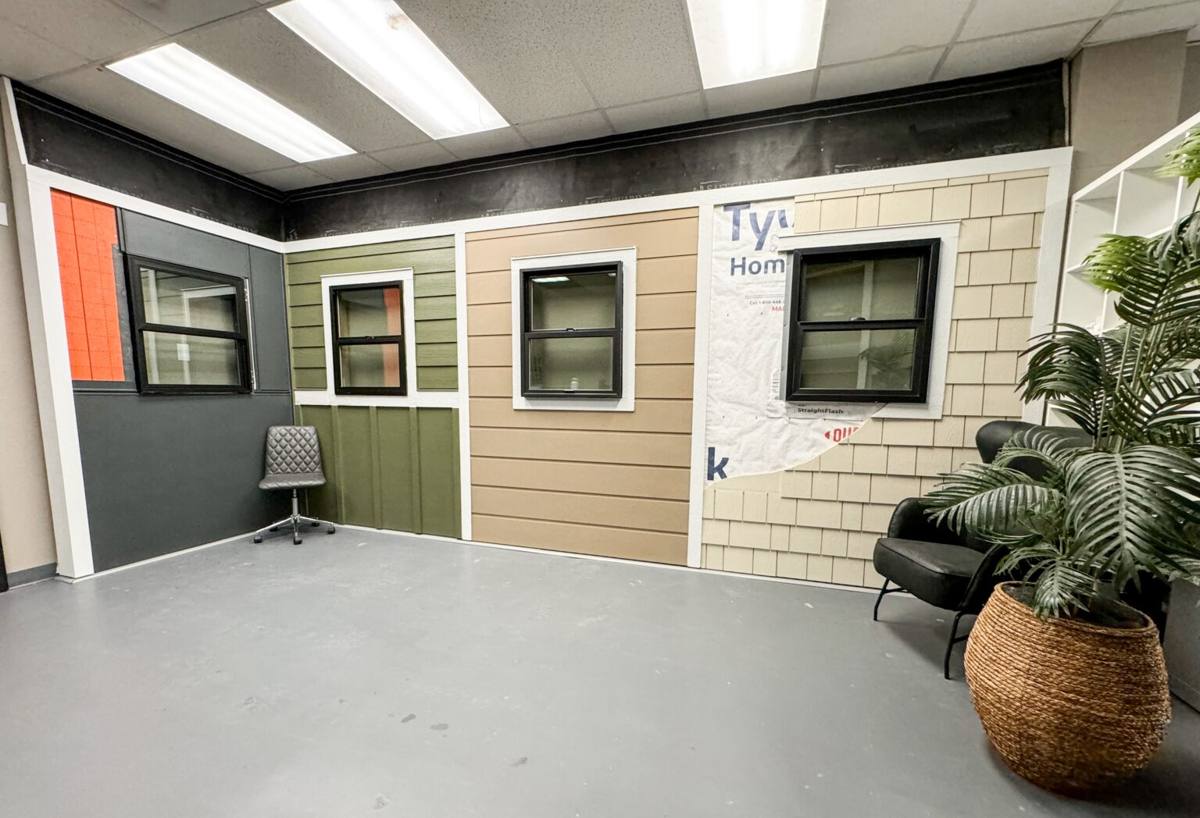
New-construction windows are different from replacement windows in one important way: they install with a nailing fin directly into the rough opening and get integrated into the home's water-resistive barrier (the house wrap) as part of the build sequence. That makes the window-to-wall connection a structural and moisture-management decision, not just a product choice. Get that sequence wrong on a Whatcom County build and you're not dealing with a drafty window — you're dealing with water intrusion behind the siding.
What Barkley Homes Specifically Need From Their Windows
Barkley's mix of newer builds and established homes means we see a range of window ages and installation quality in the neighborhood. A few local factors shape what we recommend and how we install:
Salt Air and Corrosion
Proximity to Bellingham Bay means airborne salt settles on exterior surfaces year-round, not just during storms. Fasteners, flashing, and hardware that aren't rated for coastal exposure corrode faster here than they would fifty miles inland. We spec corrosion-resistant flashing tape and fasteners on every install, not just the ones closest to the water, because salt air doesn't respect a hard boundary.
Driving Rain and Wind-Driven Wetting
Bellingham's rain doesn't just fall — a good share of it comes in sideways during winter storms, especially with wind off the Sound. That means the flashing detail around a window opening has to shed water outward and downward under pressure, not just when it's falling straight down. A sill pan that isn't sloped correctly, or a lack of proper flashing integration with the house wrap, will let wind-driven rain track back into the wall cavity. This is the single most common failure point we find when we're called out to fix someone else's window install.
Moss, Shade, and Prolonged Dampness
Barkley's tree cover keeps a lot of homes shaded for large parts of the day, which is great for cooling in summer and rough on anything that holds moisture. Moss doesn't just grow on roofs — it takes hold on window sills, trim, and cladding wherever wood or composite surfaces stay damp too long. Detailing that promotes drainage and airflow around the window opening matters as much here as the window unit itself.
Climate Factors at a Glance
| Local Condition | Effect on Windows | What We Do About It |
|---|---|---|
| Salt air off Bellingham Bay | Accelerated corrosion of fasteners and hardware | Corrosion-resistant flashing and fastener specs on every unit |
| Wind-driven rain | Water forced sideways and upward at the opening | Sloped sill pans, correctly lapped flashing tied into house wrap |
| Extended shade/moss season | Prolonged surface moisture, organic growth | Drainage-focused detailing, durable trim materials |
| Seasonal temperature swings | Expansion/contraction stress on seals and frames | Proper shim spacing and fastening per manufacturer spec, not "tight is better" |
What a Correct New-Construction Window Install Actually Involves
New-construction window installation happens during the framing and weatherproofing stage of a build, or during a project where siding and sheathing are already being opened up. It's a sequence, and every step protects the one after it.
- Rough opening check. Confirm the opening is square, level, and sized correctly to manufacturer tolerance before the window ever shows up on site.
- Sill pan flashing. A sloped, sealed pan under the window directs any water that gets past the window itself back outside the wall assembly instead of into the framing.
- Window-to-wall integration. The nailing fin gets flashed and lapped with the house wrap in the correct shingle-style sequence — top last, so water always flows over the layer below it, never under.
- Fastening to spec. Manufacturer-specified fasteners at manufacturer-specified spacing, driven straight and not overdriven, which can bow the frame and cause the sash to bind or seal poorly.
- Shimming and squaring. Correct shim placement at the corners and mid-span keeps the frame square under the weight of the siding and trim that go on afterward.
- Interior and exterior sealant. Backer rod and sealant at the right points — not everywhere, since over-sealing can trap moisture instead of letting the assembly dry.
- Final operation check. Every sash opens, closes, and locks smoothly before we call the install done.
Our Process for Barkley Projects
We approach new-construction window work in Barkley the same way regardless of whether it's a full new build or an addition/remodel that requires new rough openings.
1. On-Site Assessment and Measure
We walk the framing, check rough opening sizes against the window schedule, and flag anything — an out-of-square opening, a header height issue, a sheathing gap — before ordering product. Catching this early avoids delays once windows are on site.
2. Product Selection Consultation
We talk through frame material, glazing package, and performance ratings appropriate for a Bellingham exterior exposure, and we're upfront about trade-offs — cost, maintenance, appearance, warranty terms — rather than pushing one product line as the answer for every situation.
3. Flashing and Weatherproofing Plan
Before install day, we confirm exactly how each opening will be flashed and how it ties into the home's water-resistive barrier. This isn't improvised on site — it's planned against the specific wall assembly of that home.
4. Installation
Windows go in following the sequence above, one opening at a time, with each one checked for square, level, plumb, and proper operation before we move to the next.
5. Walkthrough
We walk the finished openings with whoever is managing the project — homeowner, builder, or general contractor — and confirm operation, sightlines, and finish details before we consider the job complete.
Frame Materials: What Holds Up in This Climate
There's no single "best" window material for every home — it depends on budget, architectural style, and how much upkeep the homeowner wants to take on. Here's the honest breakdown for Bellingham's coastal, wet conditions.
| Frame Material | Coastal/Moisture Performance | Maintenance | Typical Fit |
|---|---|---|---|
| Vinyl | Won't corrode or rot; performs well near salt air | Low | Budget-conscious builds, rentals, straightforward openings |
| Fiberglass | Very stable in temperature swings, resists moisture well | Low | Higher-performance builds, larger openings |
| Wood (clad exterior) | Good if the exterior cladding is intact; vulnerable where cladding is damaged or unmaintained | Moderate to high | Traditional or high-end aesthetic where the look matters |
| Aluminum | Prone to condensation and corrosion in coastal, high-moisture settings unless thermally broken | Moderate | Specific architectural applications, not our default recommendation here |
For most Barkley projects we lean toward vinyl or fiberglass because they shrug off the salt air and rain exposure with the least long-term maintenance burden. Wood-clad windows can look great and we install them when that's the right call for the home, but we're honest with clients that the cladding has to be inspected and maintained to keep moisture out of the wood underneath.
Why a Crew That Already Works Barkley Matters
Window installation quality comes down to detail work that's invisible once the siding goes back on. A crew that's installed windows across Barkley and the surrounding Bellingham area has already seen how the local wind and rain patterns stress a flashing detail, which openings on a given exposure need extra attention, and where moss and shade tend to cause problems down the line. That's not something you can fully compensate for with a generic install checklist — it comes from repeated, local experience.
We also know the practical side of working in Whatcom County: typical permitting expectations, common framing practices in the area's newer developments, and how to sequence window install around the rest of a build schedule without holding up other trades.
Signs a Window Was Installed Wrong (Even If It Looks Fine)
Not every installation problem shows up right away. Some warning signs to watch for, especially in the first few wet seasons after a build:
- Staining or discoloration on interior drywall below or beside a window
- A musty smell near a window that wasn't there before
- Difficulty opening or closing a sash that used to operate smoothly
- Visible gaps or daylight around the frame from the exterior
- Condensation forming between panes (a sign of seal failure, not installation, but worth flagging early)
- Soft or discolored trim or siding immediately around the window opening
- Moss or persistent green growth concentrated around one window but not others nearby
Any of these are worth a look before they become a bigger repair. Catching a flashing issue early is a trim and sealant fix; catching it late can mean opening up the wall.
Cost Factors to Expect
Pricing on new-construction window installation depends on several variables, and we'd rather explain what drives cost than throw out a number that doesn't apply to your project:
| Factor | Why It Affects Cost |
|---|---|
| Number and size of openings | More and larger windows mean more material and labor time |
| Frame material chosen | Vinyl, fiberglass, and clad-wood carry different material costs |
| Glazing package | Upgraded glass for energy performance or sound reduction adds cost |
| Wall assembly complexity | Custom flashing details or unusual framing take more labor time |
| Access and site conditions | Second-story or hard-to-reach openings require more setup |
We give a firm, itemized quote after we've actually looked at the openings and talked through product choices — not a phone estimate based on square footage alone.
Get a Free Estimate for Your Barkley Project
If you're building new in Barkley or opening up walls for an addition, we're happy to walk the site, review your window schedule, and give you a straightforward, no-pressure estimate on the work. Use the form below to get started.