 Bellingham Siding
 Why Edgemoor's Setting Puts Extra Demands on a Roof
Edgemoor sits close to Bellingham Bay, tucked into mature stands of fir and cedar along winding, wooded streets. That setting is part of what makes the neighborhood desirable, but it's also exactly the combination that wears a roof out faster than it would a few miles inland. Proximity to the water means salt-laden air settles into metal fasteners, flashing, and vent components year-round. The tree canopy overhead means constant shade, dropped needles, and organic debris collecting in valleys and along eave lines. And Whatcom County's long, wet winters keep everything damp for months at a time, which is exactly what moss and algae need to take hold.
None of that means an Edgemoor roof needs anything exotic. It means the installation has to account for moisture that lingers longer, metal that corrodes faster, and shade that never lets a roof fully dry out between storms. A roofer who treats an Edgemoor job the same as a job on a sunny, open lot on the east side of town is skipping details that matter here.
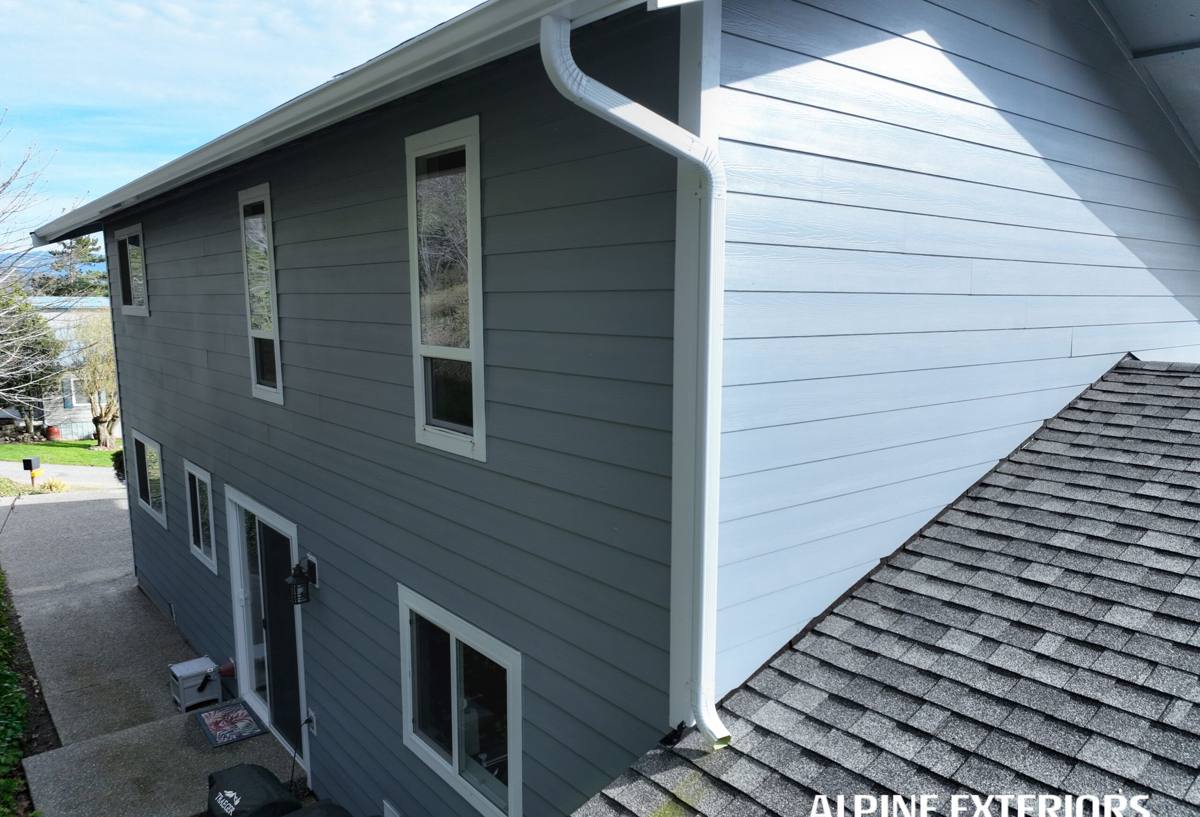
Signs an Edgemoor Roof Is Due for Replacement
Most roofs give warning before they fail outright. In this neighborhood, the warning signs tend to show up in specific places because of the tree cover and bay-facing exposure:
- Moss or thick algae buildup that keeps returning within a season or two of cleaning
- Granule loss showing up in gutters, or shingles that look bald or blotchy from the ground
- Soft or spongy spots near valleys and under trees, where debris traps moisture against the roof deck
- Rusted or streaking fasteners and flashing around chimneys, vents, and skylights
- Daylight visible through the attic decking, or damp insulation after a windy rainstorm
- Shingles curling, cracking, or lifting at the edges, especially on the side facing prevailing wind off the water
Any one of these on its own might just need a repair. Several together, especially on a roof already past 18-20 years old, usually means it's cheaper in the long run to replace than to keep patching.
What a Correct Installation Actually Involves
A new roof is more than shingles laid over the old deck. In a wet, wooded, coastal-adjacent neighborhood like Edgemoor, the layers underneath the visible surface are what determine whether the roof holds up.
Tear-Off and Deck Inspection
We remove the existing roofing down to the deck rather than layering over it. That's the only way to actually see the plywood or plank sheathing underneath, catch soft or rotted sections early, and confirm the deck is sound enough to hold fasteners securely for the next 20-30 years.
Ice and Water Barrier at Vulnerable Points
Valleys, eaves, and areas around chimneys and skylights get a self-adhering waterproof membrane before anything else goes down. On a shaded, damp roof like most in Edgemoor, these are the spots where standing moisture and slow-draining debris cause the most hidden damage over time.
Underlayment Across the Whole Roof
A synthetic underlayment goes down over the rest of the deck as a second line of defense. It matters more here than in drier parts of the state, because a roof under tree cover simply spends more days per year with moisture sitting on top of it.
Flashing and Fastener Selection
Anywhere the roof meets a wall, chimney, or vent pipe is a place water can find its way in if the flashing is reused, undersized, or corroded. We use corrosion-resistant fasteners and new flashing throughout, since salt air off Bellingham Bay accelerates rust on lower-grade metal noticeably faster than it would inland.
Ventilation
Balanced intake and exhaust ventilation keeps the attic dry and temperature-regulated. Under a tree canopy that already limits sun exposure and airflow, proper ventilation is what keeps moisture from condensing inside the attic even when the shingles themselves are doing their job.
Choosing a Roofing Material for This Setting
There's no single "right" material for every Edgemoor home — it depends on the roof's pitch, how much shade it sits under, and what look fits the house. Here's how the common options compare for a shaded, bay-adjacent property:
| Material | Moss/Algae Resistance | Coastal Air Durability | Typical Lifespan |
|---|---|---|---|
| Architectural asphalt shingle | Good with algae-resistant granules | Good with quality fasteners/flashing | 25-30 years |
| Standing seam metal | Excellent — sheds debris, little to grip | Very good with coated/marine-grade fasteners | 40-50+ years |
| Cedar shake | Poor unless treated and maintained closely | Fair — needs regular upkeep near salt air | 20-30 years with maintenance |
| Synthetic composite shake/slate | Good, low organic material to hold moisture | Good | 30-50 years |
We don't install traditional cedar shake as a default recommendation for heavily shaded, moisture-prone lots. It's a good-looking product, but under tree cover it needs more frequent cleaning, moss treatment, and occasional shake replacement than most homeowners want to keep up with, and the maintenance burden only grows the closer a home sits to standing water and salt spray. If a homeowner wants that look, we'll talk through what the upkeep actually requires so there are no surprises.
Our Installation Process, Start to Finish
- On-site inspection. We walk the roof and attic, check the deck condition, note shade patterns and debris buildup, and take real measurements rather than estimating from the ground.
- Written estimate. Material options, scope of work, and a firm price — no vague allowances that turn into change orders mid-job.
- Scheduling around weather. Whatcom County rain doesn't stop for a job; we plan tear-off and dry-in around forecast windows so the deck isn't left exposed longer than necessary.
- Tear-off, deck repair, and dry-in. Old roofing comes off, any damaged sheathing gets replaced, and the roof is watertight the same day whenever possible.
- Installation. Underlayment, flashing, ventilation, and the finish material go on per manufacturer specifications, not shortcuts.
- Cleanup and walkthrough. Magnetic sweep for nails, debris hauled off, and a final walkthrough so the homeowner sees exactly what was done.
What Affects the Cost of a New Roof Here
| Factor | Why It Matters in Edgemoor |
|---|---|
| Roof pitch and access | Steeper roofs and wooded lots with limited driveway/staging space take more labor |
| Deck condition | Shaded, damp roofs more often need sheathing repair discovered during tear-off |
| Material choice | Metal and composite options cost more upfront but resist moss and salt air longer |
| Tree cover and debris | Heavier canopy can mean added cleanup, gutter protection, or trimming coordination |
| Flashing and ventilation scope | Older homes often need flashing and vents fully replaced, not reused |
Broad honest range: most straightforward architectural shingle replacements on a typical single-family home run in the mid-to-high five figures depending on size and complexity, with metal and composite systems running higher for the material itself. Every home is different enough that a real number requires an on-site look, not a phone estimate.
Why Local Experience with This Neighborhood Matters
A roofing crew that's already worked in Edgemoor knows what to expect before they climb the ladder: shaded decks that stay damp longer, mature trees that drop debris year-round, salt-influenced air near the bay, and winding streets that affect how equipment and dumpsters get staged. That familiarity shows up in small but real ways — knowing to spec algae-resistant shingles as standard rather than an upsell, knowing which fastener grades actually hold up this close to the water, and knowing how to schedule around the wetter months so a tear-off isn't left exposed overnight.
It also matters for permitting and code compliance specific to Whatcom County and the City of Bellingham, since requirements around ventilation, ice barrier placement, and tree-adjacent construction can differ from jurisdiction to jurisdiction. A crew that pulls permits here regularly doesn't have to learn that on your job.
Keeping a New Roof Performing Once It's Installed
A correctly installed roof still needs basic upkeep to hit its full lifespan in this climate. A simple annual routine goes a long way:
- Clear gutters and valleys of needles and leaf debris at least twice a year, more often under heavy tree cover
- Have moss and algae growth treated before it thickens, not after it's already lifting granules
- Trim back overhanging branches that keep sections of the roof in permanent shade and dampness
- Check attic ventilation isn't blocked by insulation or debris
- Have flashing around chimneys, skylights, and vents inspected every couple of years for early corrosion
These are five- and ten-minute tasks that prevent the slow, moisture-driven damage that shortens roof life in this part of the county.
Get a Straightforward Estimate
If you're weighing repair versus replacement, or just want an honest read on how much life is left in your current roof, we're happy to take a look. The estimate is free, there's no pressure attached to it, and you'll get a clear answer about what your Edgemoor home actually needs. Use the form below to get started.