 Bellingham Siding
 Roof Replacement Built for South Hill's Exposure
South Hill is one of Bellingham's older hillside neighborhoods, sitting above downtown and the bay with the kind of elevation and view lines that come with real weather exposure. Homes here take on rain and wind differently than houses tucked into flatter, more sheltered parts of Whatcom County. A roof that would hold up fine a few blocks lower in town can wear out faster on a South Hill lot simply because it's catching more direct wind off the water and more sustained moisture from marine air moving up the slope.
This page is about one job, done right, in this one neighborhood: full roof replacement for South Hill homes. Not a general roofing overview, not a sales pitch for a specific brand — just what the local climate actually demands from a new roof, what a correct installation involves, and how we run the job from first inspection to final cleanup.
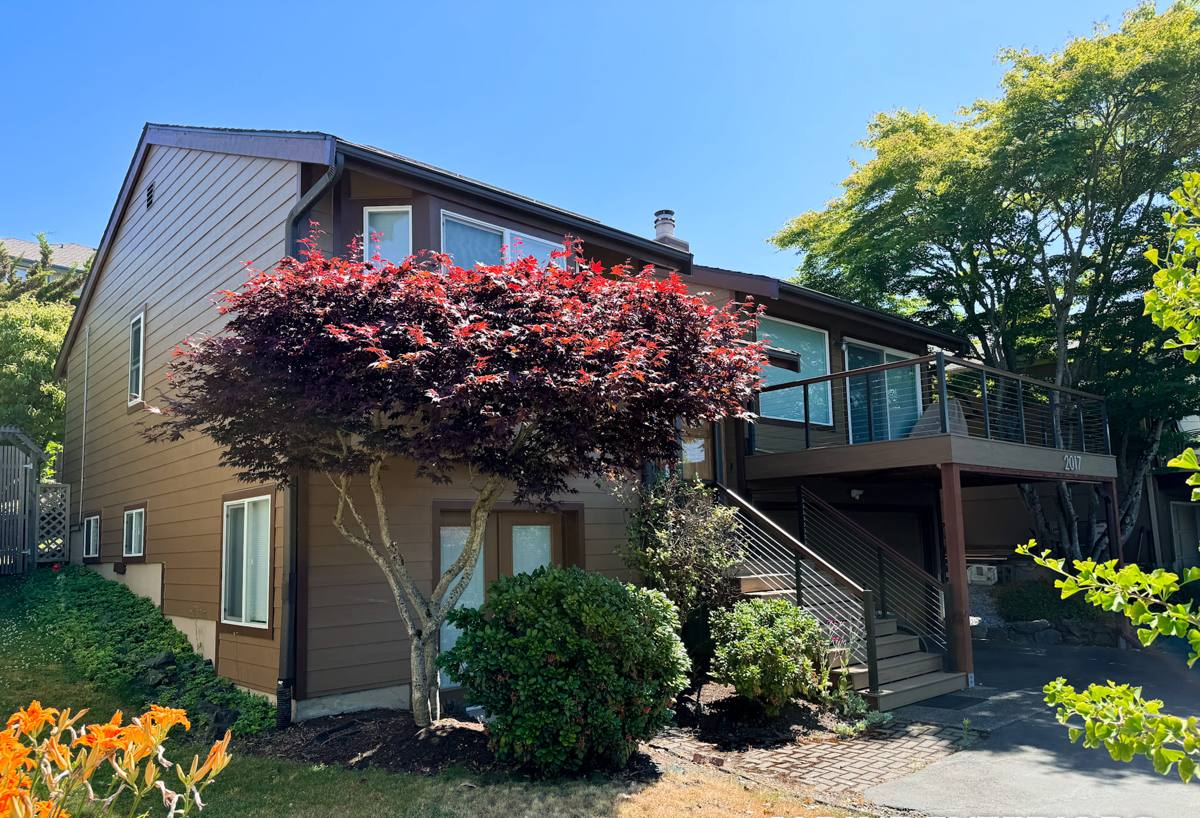
What South Hill's Hillside Setting Does to a Roof
Elevation and Wind Exposure
Higher ground means less shelter. Homes on South Hill's upper streets and view lots often catch stronger, more direct wind during Whatcom County's winter storm systems than houses lower in the city or further inland. That wind doesn't just test how well shingles are nailed down — it drives rain sideways and upward under shingle edges and flashing laps in a way a calmer site never would. A roof system that isn't specified and installed with that exposure in mind is the one most likely to lose shingles or develop a wind-driven leak during a bad storm season.
Salt Air and a Long Moss Season
South Hill's elevation puts many homes in fairly direct line of the marine air moving off Bellingham Bay, which carries a steady trace of salt even on days without an obvious storm. That air works slowly on exposed metal — fasteners, flashing, vent stacks — corroding it well before most homeowners notice anything from the ground. Combine that with Whatcom County's mild, wet climate and the mature tree cover common on older hillside lots, and you get a moss and algae season that can run most of the year on shaded, north-facing roof planes. Left unaddressed, moss doesn't just look bad — it holds moisture directly against the shingle surface and works its way under tabs and flashing over time.
Older Homes, More Complex Rooflines
Because South Hill developed decades before a lot of Bellingham's newer subdivisions, many of its homes have rooflines that reflect an earlier style of building: more dormers, valleys, and roof-to-wall transitions than a simple modern gable roof. Every one of those intersections is a place where flashing has to be built correctly or water finds its way in. It also means two houses on the same block can need genuinely different scopes of work, which is part of why we walk each roof in person rather than quoting from a satellite photo.
Signs a South Hill Roof Needs Replacement, Not Just Repair
Not every roof problem means a full replacement, but certain signs point toward a system that's reached the end of its useful life rather than one that needs a patch:
- Shingles that are cupping, curling, or losing granules across large sections rather than in one isolated spot
- Moss or dark algae staining that returns quickly after cleaning, especially on shaded or north-facing slopes
- Daylight visible through the roof deck from inside the attic, or damp insulation after storms
- Repeated leaks in different spots each winter rather than one consistent, repairable location
- Flashing that's visibly rusted, lifted, or separating from valleys, chimneys, or wall intersections
- A roof that's simply reached or passed the expected service life of its material and installation
If what you're seeing matches one or two of these on an otherwise sound roof, a targeted repair may still be the right call. When several show up together, or the roof is old enough that fixing one spot just means the next leak is a matter of time, replacement is usually the more honest recommendation — and we'll tell you plainly which situation you're actually in.
What a Correct Roof Replacement Actually Involves
A roof replacement is a system, not a single product. Getting one part right and skipping another usually just moves the leak somewhere else.
Tear-Off and Deck Inspection
We strip the roof down to the deck rather than installing over an existing layer. That's the only way to find soft spots, rot, or moisture damage that's been building quietly underneath old shingles, which is common on South Hill's older roofs where a layer or two may already be present from past work.
Underlayment for Wind-Driven Rain
Synthetic or self-adhered underlayment gives the deck a real secondary water barrier, which matters directly on a hillside lot where wind routinely forces rain under shingle edges rather than letting it run straight off. Ice-and-water shield at eaves, valleys, and other vulnerable transitions adds another layer of protection exactly where South Hill's more complex rooflines are most likely to let water through.
Flashing at Valleys, Chimneys, and Walls
Most leaks on older South Hill homes trace back to flashing, not the open field of shingles. Every valley, chimney, skylight, and wall intersection needs flashing that's integrated with the underlayment and properly lapped, not caulked over as an afterthought once the shingles are already down.
Fastening and Wind Resistance
Nail count, placement, and pattern have to follow manufacturer specification exactly, not a faster shortcut. That's what keeps a new roof locked down under the stronger, more direct wind that comes with South Hill's elevation, instead of losing tabs or full shingles in the first serious storm.
Ventilation
Balanced intake and exhaust ventilation keeps the underside of the deck dry, which extends the life of the roof and reduces the moisture that feeds moss growth from below. It's an easy detail to skip and an expensive one to have missed once the roof is already on.
Choosing a Roofing System for a South Hill Home
Most South Hill homes are well served by asphalt shingle roofing, but not every shingle tier performs the same way on an exposed hillside lot.
| Roofing Option | Typical Lifespan | Fit for South Hill |
|---|---|---|
| 3-Tab Shingles | 15-20 years | Lowest upfront cost, but a lighter wind rating makes them a weaker fit for exposed, elevated lots |
| Architectural Shingles | 25-30 years | Heavier build and stronger wind resistance; the practical default for most South Hill homes |
| Algae-Resistant / Premium Shingles | 30+ years | Worth considering on shaded, tree-covered lots where moss and algae staining come back quickly |
| Standing Seam Metal | 40-50+ years | Higher upfront cost, sheds wind-driven rain and moss aggressively; best fit for steep or highly exposed sections |
For most South Hill homes, architectural shingles with algae-resistant granules are the right balance of upfront cost and long-term performance. Whether it's worth stepping up to metal on part or all of a roof usually comes down to how exposed the lot is, how much of the roof sits under tree cover, and how long you plan to stay in the home.
Cost Factors for a South Hill Roof Replacement
| Factor | Why It Matters on South Hill |
|---|---|
| Roof complexity (valleys, dormers, roof-wall intersections) | Older hillside homes often have more of these than a simple modern roofline, adding labor and flashing detail |
| Deck condition found at tear-off | Years of moisture behind old shingles can mean deck repair before new material goes down |
| Shingle or material grade | Wind rating and algae resistance directly affect how the roof performs on an exposed hillside lot |
| Site access and lot terrain | Steep streets and driveways common on South Hill can add staging and material-handling time |
| Flashing and ventilation scope | Complex rooflines need more flashing work and ventilation planning than a simple gable roof |
Two bids on the same South Hill roof can land far apart, and the gap is usually real scope rather than one contractor padding the number. We break estimates down by these components so you can actually compare them, not just the bottom line.
How Our Process Works
- In-person inspection: We walk the roof and attic ourselves and document what we actually find, not what a satellite photo suggests.
- Honest scope and estimate: You get a written estimate broken down by material, labor, and any deck repair we expect to find, with repair vs. replacement discussed plainly.
- Tear-off and deck check: We strip the roof to the deck, address any rot or soft spots found, and don't cover up a problem that's still there.
- System installation: Underlayment, flashing, shingles or metal panels, and ventilation go in as one integrated system, not separate steps.
- Final walkthrough and cleanup: We review the finished roof with you and clear the site of debris and old material before we consider the job done.
Why a Crew That Already Works South Hill Matters
A crew that's replaced roofs across South Hill's streets knows how the wind actually moves over that terrain, which slopes stay wet longest under tree cover, and which flashing details are worth extra time so you're not dealing with a callback two winters later. That's different from general roofing knowledge applied to any house in Whatcom County — it's specific to how this particular hillside neighborhood behaves through a full year of Bellingham weather. It also means practical things like knowing which streets need extra care with material staging and equipment access before the crew ever shows up.
If your South Hill home needs a roof replacement, or you just want an honest opinion on whether repair still makes sense, we're glad to take a look. Reach out using the form below to schedule a free, no-pressure estimate.