 Bellingham Siding
 Roofing in Silver Beach: A Different Set of Problems
Silver Beach sits close enough to Bellingham Bay and Lake Whatcom that homes here deal with a mix of weather most inland Whatcom County neighborhoods don't see in the same combination. There's salt-laden air drifting off the water, long stretches of driving rain that comes in sideways off the Sound, and a moss season that can run eight or nine months out of the year in the shaded, tree-covered lots common to this part of Bellingham. A roof that would hold up fine in a drier, more open part of Washington often ages faster here — not because the materials are bad, but because they weren't installed with this specific mix of conditions in mind.
When we install a new roof in Silver Beach, we're not just putting shingles on plywood. We're accounting for how much water this roof will see over a winter, how much shade it sits under, how close it is to salt air, and how the previous roof failed — because in our experience, almost every roof we replace here failed for a reason that's traceable back to one of those three factors.
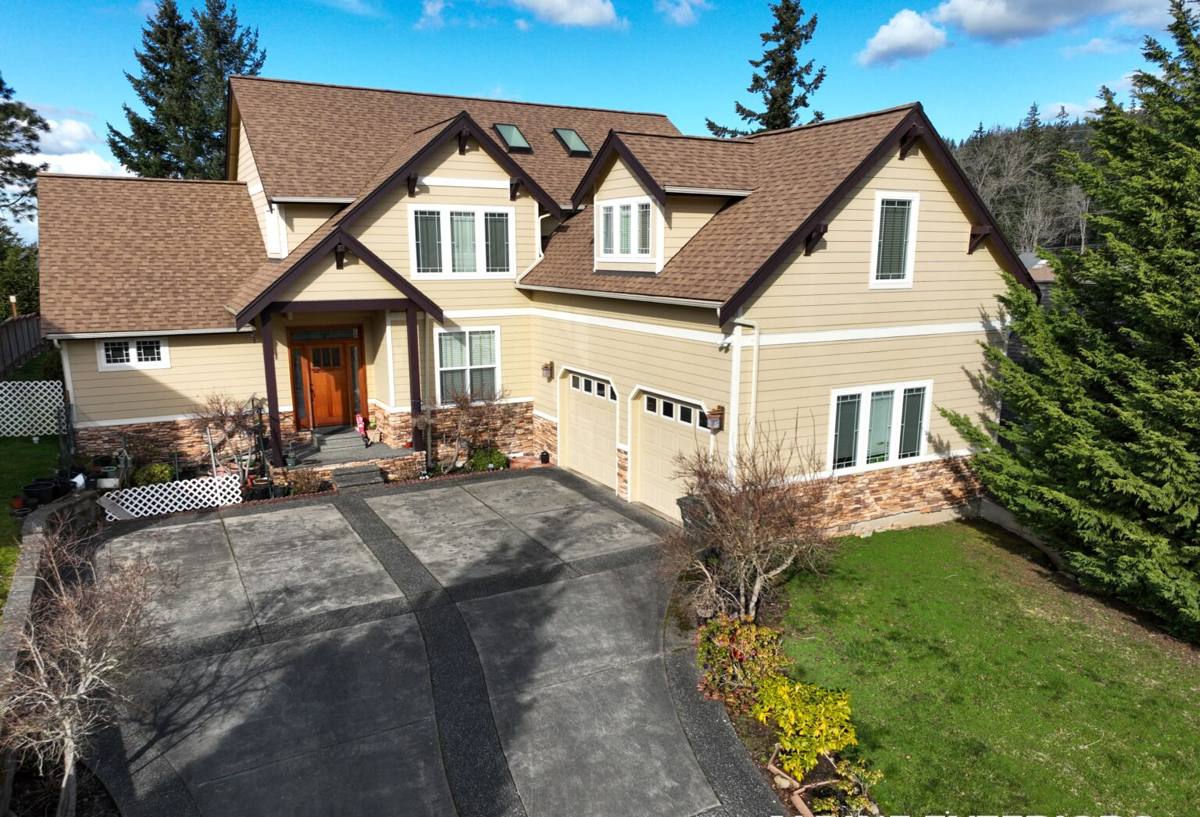
What Salt Air, Rain, and Moss Actually Do to a Roof
Salt Air
Homes closer to the water take on airborne salt that settles on metal flashing, fasteners, and vents. Over years, that accelerates corrosion on anything that isn't rated for coastal exposure — cheap galvanized flashing pits and rusts well before a coastal-grade or properly coated metal would. It's a slow problem, which is exactly why it gets missed until a leak shows up around a flashing point.
Driving Rain
Bellingham doesn't just get rain — it gets wind-driven rain that hits roof planes at an angle instead of falling straight down. That matters because it pushes water sideways under shingle tabs, into nail heads, and along valleys and eaves where standard installation practices sometimes cut corners. A roof built for a drier climate, or installed to minimum code rather than to local conditions, is more likely to leak at these pressure points during a real Pacific Northwest storm.
Moss
Moss doesn't just look bad — it holds moisture against the roof surface, lifts shingle edges as it grows, and works its way under flashing over time. Silver Beach's tree cover and lake-effect humidity make it a near-constant issue on north-facing slopes and shaded roof planes. A new roof installed without moss prevention built in will need moss treatment or removal within a few years regardless of the shingle quality.
Signs a Silver Beach Home Needs a New Roof, Not a Repair
- Granule loss heavy enough that you're finding grit in gutters every time it rains
- Curling, cupping, or cracked shingles across multiple roof planes, not just one spot
- Soft or spongy decking felt underfoot when walking the roof
- Daylight visible through the roof deck from inside the attic
- Repeated moss removal that keeps coming back within a year or two
- Flashing that's visibly rusted, especially around chimneys, vents, and valleys
- A roof that's 20+ years old and has never had major work done
- Interior water stains on ceilings after wind-driven rain events
One or two of these on their own might mean a repair is enough. Several at once, especially on a roof already past 15-20 years, usually means repairs are just delaying the same failure.
What a Correct New Roof Installation Involves
A new roof is only as good as what's underneath the shingles. In a climate like this one, the underlayment and flashing details matter as much as the roofing material itself — arguably more, since those are the layers actually stopping wind-driven rain from reaching the deck.
Tear-Off and Deck Inspection
We remove the old roofing down to the deck rather than layering over it. That's the only way to actually see the plywood or plank decking underneath, check for rot or soft spots from past leaks, and replace any damaged sections before new material goes down. Roofing over a compromised deck just hides the problem for a while.
Ice and Water Shield at Vulnerable Points
Eaves, valleys, and areas around penetrations get a self-adhering waterproof membrane underneath the main underlayment. These are the spots where wind-driven rain is most likely to force its way under the shingles, so they get extra protection rather than relying on shingles alone.
Full-Coverage Synthetic Underlayment
Over the rest of the deck, a synthetic underlayment provides the water-resistant layer between the deck and the shingles. It handles the incidental moisture that gets past the shingle surface during heavy, sustained rain — which in Bellingham is a regular occurrence, not an edge case.
Corrosion-Resistant Flashing
Given the salt air near the water, we use flashing and fasteners rated to hold up to that exposure rather than standard galvanized material that pits and rusts faster this close to the bay. This applies to step flashing, valley flashing, and vent boots alike.
Ventilation
Proper intake and exhaust ventilation keeps the attic space from trapping moisture, which both extends shingle life and reduces the conditions moss and mold need to take hold. A roof that's watertight but poorly ventilated still ages faster than it should.
Comparing Roofing Materials for This Climate
| Material | How It Handles This Climate | Typical Lifespan Here | Trade-Offs |
|---|---|---|---|
| Architectural Asphalt Shingle | Good performance when installed with proper underlayment and flashing; wide range of moss-resistant options | 20-30 years | Needs periodic moss treatment on shaded slopes; mid-range cost |
| Standing Seam Metal | Sheds water and moss buildup very well due to smooth, steep surface; strong wind-driven rain performance | 40-50+ years | Higher upfront cost; requires experienced installation for coastal-grade fasteners and flashing |
| Synthetic/Composite Shingle | Resists moisture absorption better than wood; consistent performance across shaded and sun-exposed areas | 30-40 years | Higher material cost than asphalt; fewer installers experienced with the product |
| Cedar Shake | Traditional look but holds moisture in shaded, humid conditions unless meticulously maintained | 15-25 years in shaded areas | Highest maintenance burden in this climate; moss and rot risk without regular upkeep |
We don't push one material on every home. A shaded, north-facing roof in Silver Beach that's fought moss for years is usually better served by metal or a moss-resistant architectural shingle than by cedar, purely because of how each material handles sustained moisture, not because any of these products are inherently bad.
Our Installation Process
- On-site inspection of the current roof, deck, attic ventilation, and flashing points
- Honest assessment of whether repair or full replacement makes sense, with reasoning explained
- Written estimate covering material options, underlayment, flashing, and ventilation scope
- Tear-off, deck inspection, and repair of any compromised sections
- Installation of ice and water shield at eaves, valleys, and penetrations
- Full underlayment coverage, then the chosen roofing material
- Corrosion-resistant flashing and ventilation components installed and sealed
- Final walkthrough and cleanup, including magnetic sweep for stray fasteners
Every step above matters more in a wet, wind-driven climate than it would somewhere drier — skipping the ice and water shield or reusing old flashing to save time is exactly how a new-looking roof ends up leaking within a few winters.
Why a Crew That Already Works Silver Beach Matters
Roofing crews who spend most of their time on the drier east side of the state, or who mostly do quick repairs rather than full installations, don't always build in the extra underlayment coverage, coastal-grade flashing, and ventilation detailing that homes near Bellingham Bay and Lake Whatcom actually need. It's not a matter of skill — it's a matter of what conditions a crew is used to designing around.
A crew that regularly works Bellingham and Whatcom County knows which roof orientations in this neighborhood hold moss longest, which flashing details tend to fail first under wind-driven rain, and what ventilation setup actually keeps a shaded roof dry through a Pacific Northwest winter. That local pattern recognition shows up in fewer callbacks and a roof that performs the way it's supposed to for the length of its expected lifespan.
Permitting and inspection also move faster with a crew that already has a working relationship with the City of Bellingham and Whatcom County permitting offices, since they know what documentation and inspection scheduling those offices expect for a full roof replacement.
Questions to Ask Before Hiring a Roofing Contractor
- Are you licensed and insured to work in Washington State, and can you provide proof?
- Does the estimate include tear-off, deck inspection, ice and water shield, and ventilation — or just the shingles?
- What flashing and fastener materials do you use, and are they rated for coastal exposure?
- How do you handle a soft or rotted deck section if you find one after tear-off?
- What's the manufacturer's warranty on the material, and what's your own workmanship warranty?
- Can you walk me through why you're recommending this material for my specific roof orientation and shading?
A contractor who can answer all of these clearly, without vague deflection, is generally one worth trusting with a job this size.
What This Costs and What Affects the Price
Every roof is different, and pricing depends on roof size, pitch, complexity of the roofline, material choice, and what the tear-off reveals underneath. Broadly speaking, a straightforward architectural asphalt shingle replacement runs less than a standing seam metal roof of the same size, and a steep or complex roofline with multiple valleys and penetrations costs more to flash correctly than a simple gable roof. Rather than quote a number that won't reflect your actual home, we walk the roof in person and give a written estimate based on what we find.
If your Silver Beach roof is showing its age, or you just want an honest read on how much life it has left, we're happy to take a look. The estimate is free, there's no pressure to book anything on the spot, and you'll get a straight answer about whether you need a full replacement or just targeted repairs — use the form below to get started.