 Bellingham Siding
 Windows Built for South Hill's Weather, Not Just Its Openings
South Hill sits up on the hillside above downtown Bellingham, which means homes here take weather from a few directions at once: wind and salt air rolling in off Bellingham Bay, driving rain that comes in sideways during winter storms, and a mature tree canopy that keeps a lot of the neighborhood shaded and damp for much of the year. That combination is hard on windows in ways that a drier, more sheltered part of Whatcom County wouldn't experience the same way. Frames stay wet longer, moss and algae get a foothold on sills and tracks, and salt-laden air speeds up corrosion on hardware and metal components that aren't rated for it.
A window that's "fine" in a low-rain climate can fail early here — not because it was a bad product, but because it wasn't matched to this specific exposure. Custom window work in South Hill means sizing, sealing, and material choices that account for the hill's wind load and the region's long wet season, not just filling a hole in the wall.
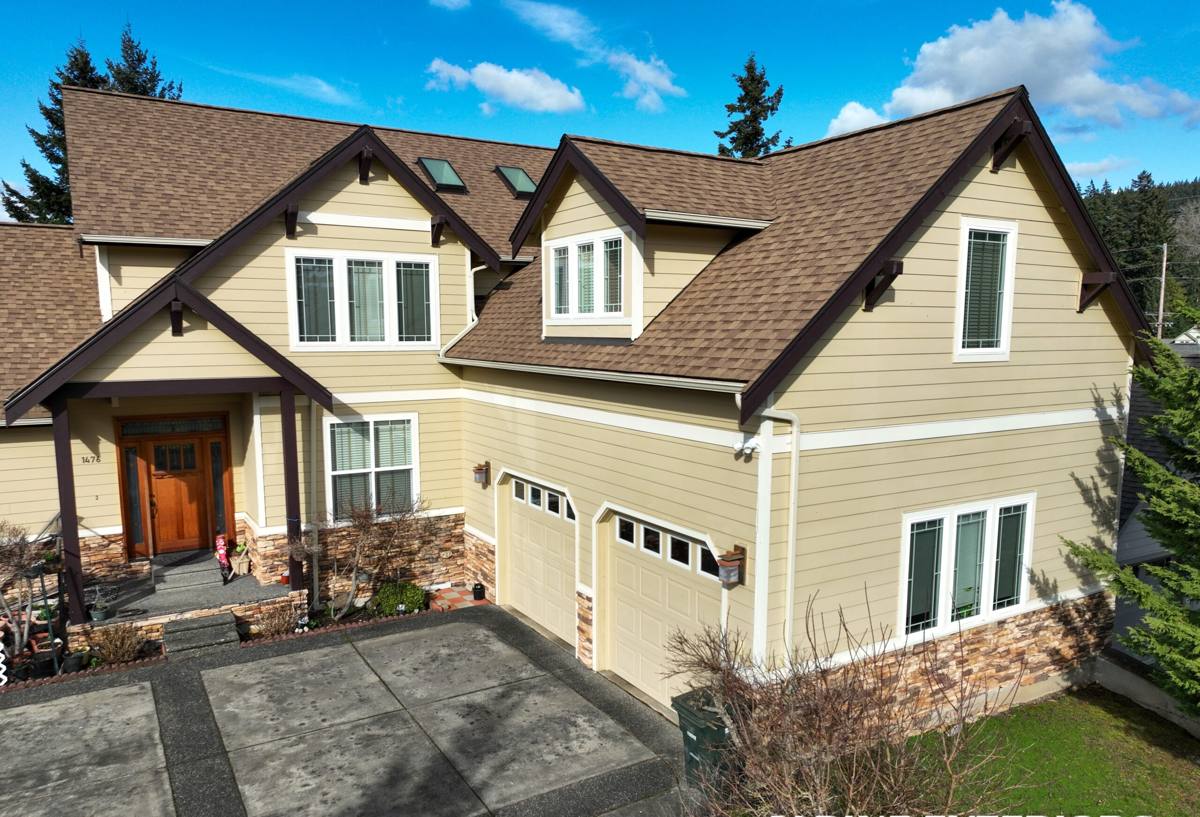
What "Custom" Actually Means on a Job Like This
A lot of South Hill housing stock is older — bungalows, craftsman-style homes, and mid-century houses with openings that were never built to a modern standard size. "Custom" isn't a marketing word here; it's a practical necessity. It means:
- Field-measuring each opening individually instead of assuming a standard size will work
- Matching sightlines and grille patterns so replacement windows don't look out of place next to originals that stay
- Choosing between full-frame replacement and pocket (insert) replacement based on the actual condition of the existing frame and sill
- Accounting for settling, out-of-square openings, and old trim details common in older hillside homes
- Selecting hardware and finishes that hold up to salt air rather than defaulting to whatever's cheapest to stock
Skipping this step is how homeowners end up with windows that technically fit but leak air, look wrong, or need re-caulking every year.
Signs a South Hill Home's Windows Are Due
Visual and Physical Clues
Fogging or a milky haze between panes means the seal has failed and the insulating gas has escaped — that's not something that can be cleaned off. Wood sills that are soft, discolored, or growing moss are past patching. Sashes that stick, won't stay open on their own, or rattle in the wind are worn out of tolerance, often from years of swelling and shrinking with our wet-dry cycles.
Performance Clues
A noticeable draft on a windy day, condensation forming on the inside of the glass in cooler months, or a room that's harder to heat than the rest of the house are all signs the window assembly — not just the glass — has lost its seal against the weather. On a hillside lot exposed to wind off the water, these problems tend to show up faster than they would in a more sheltered location.
Frame Material Comparison for a Wet, Salt-Exposed Climate
| Material | Moisture & Salt Air Resistance | Maintenance | Typical Lifespan |
|---|---|---|---|
| Vinyl | Good — won't rot or corrode; UV can affect color over decades | Low — occasional cleaning | 20-30 years |
| Fiberglass | Very good — stable in wet/dry cycling, holds paint well | Low to moderate | 30-40+ years |
| Wood (unclad) | Poor without diligent upkeep — prone to rot and moss growth in shaded, damp spots | High — regular painting/sealing | Varies widely with maintenance |
| Wood-clad (aluminum or vinyl exterior) | Good exterior protection with wood's interior look | Moderate | 25-35 years |
There isn't one "right" material for every house — a lot depends on the home's style, budget, and how exposed a given wall is to wind-driven rain. We'll walk through the honest trade-offs for your specific openings rather than pushing one product line for everything.
Why We're Selective About Unclad Wood on Exposed Elevations
Unclad wood windows can look great and suit an older home's character, but on a shaded, rain-exposed hillside elevation they demand a maintenance schedule most homeowners underestimate. We're not saying wood is a bad product — it's a matter of matching the material's upkeep needs to how much sun and airflow a particular wall actually gets. On a north-facing or tree-shaded elevation that stays damp for weeks at a time, we'll usually recommend a clad option or a moisture-resistant alternative and explain why, rather than install something we know will need repainting within a couple of seasons.
Glass and Seal Choices That Matter Here
In a marine climate like Bellingham's, the seal and coating matter as much as the glass thickness. Double-pane units with a Low-E coating and argon gas fill are the standard baseline for good energy performance and condensation resistance in our winters. Triple-pane adds more insulating value but also more weight and cost — worth discussing on north-facing rooms or spaces that run cold, but not always necessary everywhere on the house. What matters most for South Hill specifically is the quality of the perimeter seal and the spacer system, since repeated wet-dry cycling is what tends to break down a poorly made unit over time.
Our Installation Process
- On-site assessment — we check each opening, the condition of the existing frame and sill, and note any moisture or rot that needs to be addressed before a new window goes in.
- Custom measurement and product selection — sizing and material choices are based on that specific opening and its exposure, not a generic order.
- Flashing and weatherproofing plan — this is the step that gets skipped by rushed installers and is the most important one for a house that takes driving rain. Proper flashing integration with the existing wall assembly is what actually keeps water out over the next twenty years.
- Installation — set, shim, and secure the unit level and square, then seal and insulate the gap correctly rather than just filling it with foam.
- Final exterior sealing and interior trim work — finished to match the surrounding siding and trim.
- Walkthrough — we show you how the new windows operate and what upkeep, if any, they'll need.
Why Hiring a Crew That Already Works South Hill Matters
Every neighborhood in Whatcom County has its own quirks, and South Hill's hillside grades, older framing, and shaded lots are a specific combination. A crew that's worked these streets before already knows what to expect from a typical opening in a house of this age, how the wind behaves on an exposed hillside wall, and where moss and moisture tend to cause problems first. That familiarity shows up in fewer surprises mid-job and a flashing and sealing approach that's actually suited to the site — not a one-size-fits-all method used everywhere from a dry inland town to a coastal bluff.
It also matters for permitting and code compliance. Bellingham and Whatcom County have their own permitting requirements for window replacement, and older South Hill homes sometimes carry additional considerations around egress or historic character. A local crew handles that as a normal part of the job instead of learning it on your project.
Living With Moss Season: Upkeep That Actually Helps
Whatcom County's moss season is long, and it doesn't skip window frames and sills. A few habits go a long way toward protecting a new custom window investment:
- Keep weep holes and drainage tracks clear of moss, debris, and leaf litter, especially on shaded elevations
- Rinse salt residue off frames and hardware periodically if the home has direct exposure to bay winds
- Check exterior caulking annually and touch up before small gaps become active leaks
- Trim back vegetation that keeps a window in constant shade and moisture
- Wipe down interior sills after heavy condensation events to prevent mold buildup
None of this is difficult, but it's easy to forget until a problem shows up — and by then it's often more than a quick fix.
What a Fair Estimate Should Cover
| Cost Factor | Why It Matters |
|---|---|
| Number and size of openings | Drives material quantity and labor time |
| Frame material and glass package | Vinyl, fiberglass, and clad-wood price differently, as do double- vs triple-pane options |
| Condition of existing framing/sills | Rot or water damage found during removal adds repair scope |
| Full-frame vs insert replacement | Full-frame costs more but is often necessary on older, out-of-square openings |
| Trim and exterior finish matching | Matching existing siding and trim details takes more labor than a plain swap |
Be cautious of any estimate that skips a real on-site assessment — pricing custom window work sight-unseen almost always misses something once the old window comes out.
If your South Hill home's windows are drafty, fogged, or just due for an honest look, we're happy to come take a look and give you a straightforward, no-pressure estimate using the form below.