 Bellingham Siding
 Roof Repair Built for South Hill's Hillside Climate
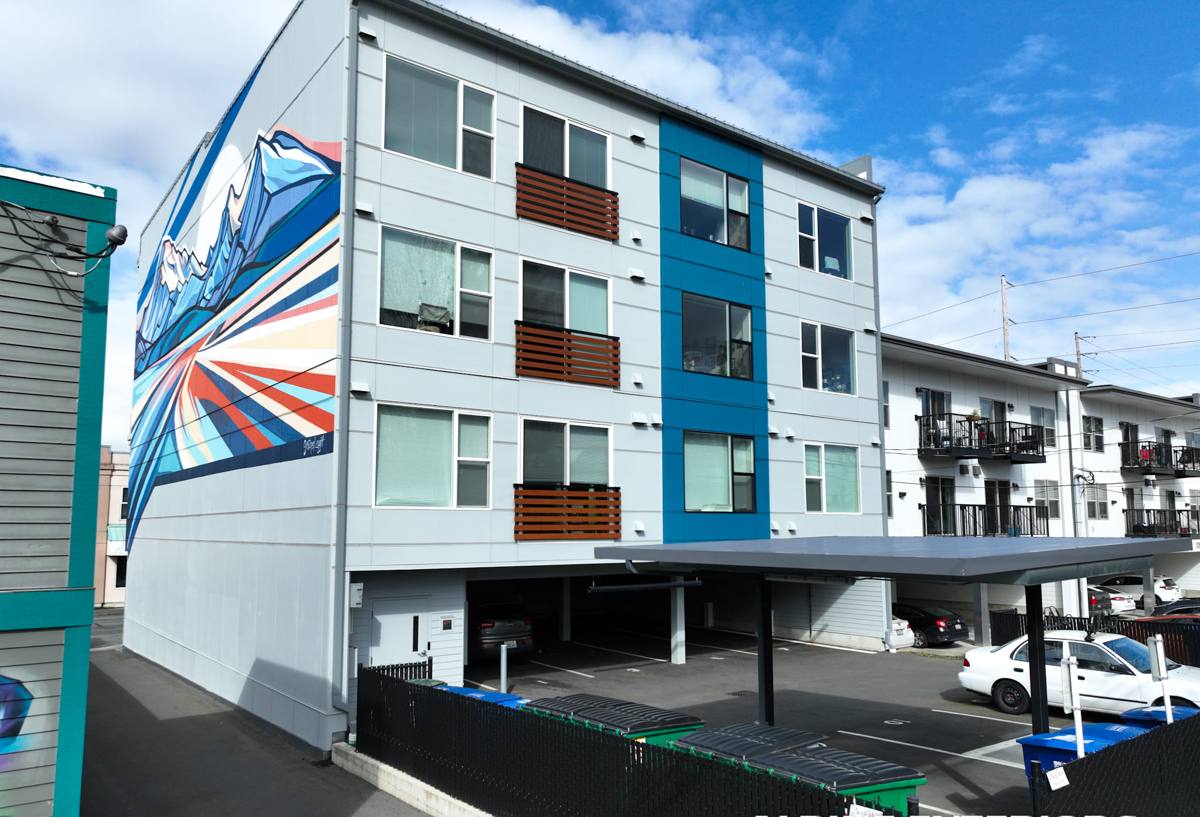
South Hill is one of Bellingham's older, established neighborhoods, sitting up on the slope with mature tree cover and views out toward the bay. That elevation and tree canopy make for a great place to live, but they put a specific kind of stress on a roof. Salt-laden air off the water, driving rain that comes in sideways during winter storms, and a moss season that can run half the year all work on a roof differently than they would in a drier inland climate. A repair that holds up here has to account for all three, not just patch the spot where water is currently coming through.
We've spent years repairing roofs across Bellingham and Whatcom County, and South Hill roofs tend to show a consistent pattern of wear tied directly to the site conditions: shaded slopes that stay damp longer, older homes with roof systems that have been patched more than once, and steep or tricky rooflines that make some repairs harder to access than they look from the ground.
Why South Hill Roofs Take a Beating
Salt Air and Slow Corrosion
Bellingham's proximity to Puget Sound and the Strait of Georgia means the air carries a fine amount of salt, even well inland and up the hill. Over years, that salt content accelerates corrosion on exposed metal — nails, flashing, gutter fasteners, and vent boots. A fastener that would last decades in a dry inland climate can start to fail years earlier here, and once fasteners back out or corrode, seals fail with them.
Driving Rain and Wind-Driven Water
Winter storms in this part of Whatcom County don't just drop rain straight down — wind pushes it sideways and up under laps, edges, and flashing that would stay dry in a calmer climate. This is why so many "mystery leaks" in South Hill homes trace back to flashing and edge details rather than a hole in the field of the roof. Water finds the path of least resistance, and driving rain creates paths that don't exist in fair weather.
A Long Moss Season
Between the tree cover common on South Hill's lots and Bellingham's extended wet season, moss and algae have a long window to establish themselves — often close to eight or nine months out of the year. Moss doesn't just look bad; it holds moisture directly against roofing material, lifts shingle edges as it grows, and can work its way under laps over time. Left unaddressed, moss growth turns a roof that has years of life left into one that's failing prematurely.
Signs a South Hill Roof Needs Repair — Not Full Replacement
Most South Hill roofs we look at don't need to be torn off. They need targeted repair to specific failure points. Here's what we check for before recommending anything:
- Water stains or discoloration on interior ceilings, especially near valleys, chimneys, or skylights
- Visible moss or algae buildup, particularly on the shaded, north-facing slopes common on hillside lots
- Lifted, cracked, or missing shingles after a windstorm
- Rusted, lifted, or gapped flashing around chimneys, vents, and roof-to-wall transitions
- Granule buildup in gutters, a sign of asphalt shingle wear
- Sagging or soft spots underfoot on a walk-up inspection
- Daylight visible through the attic decking at seams or nail holes
If most of the roof is structurally sound and the damage is contained to a few areas, repair is the honest recommendation. We don't push replacement on a roof that doesn't need it.
What a Correct Roof Repair Actually Involves
A repair that lasts through another Whatcom County winter goes past just swapping a shingle or smearing sealant over a gap. The details matter more than the visible patch:
Matching and Integrating Materials
New shingles or flashing need to tie into the existing roof system correctly — proper overlap, correct nailing pattern, and material that's compatible with what's already there. A patch that isn't woven into the existing layers correctly just creates a new place for water to enter.
Flashing First
Because so many South Hill leaks originate at flashing rather than open field damage, we treat flashing as its own repair item, not an afterthought. That means re-bending, re-sealing, or replacing flashing at chimneys, skylights, valleys, and wall transitions as needed, not just caulking over old flashing that's already failing.
Underlayment and Ventilation
Where a repair opens up a section of roof, we check the underlayment underneath and the attic ventilation feeding that section. Poor attic ventilation traps moisture and accelerates the exact moss and rot problems that are already common in this climate, so it's worth a look any time the roof is already open.
| Repair Type | What It Addresses | Typical Longevity After Repair |
|---|---|---|
| Shingle replacement (localized) | Wind damage, missing or cracked shingles | Matches remaining roof life |
| Flashing repair or replacement | Leaks at chimneys, valleys, skylights, walls | 10–20+ years depending on material |
| Moss and algae treatment with repair | Shaded, tree-covered slopes; lifted shingle edges | 1–3 years before re-treatment needed |
| Vent boot or pipe collar replacement | Cracked rubber seals around roof penetrations | 10–15 years |
| Underlayment patch (isolated) | Water intrusion found under shingles | Matches remaining roof life |
Common Repair Situations We See on South Hill Homes
Older Homes with Layered History
Many South Hill homes have been re-roofed or patched more than once over the decades. That history matters — a repair crew needs to understand what's actually under the current layer before cutting into it, rather than assuming a standard modern assembly.
Steep and Complex Rooflines
Hillside lots often come with rooflines designed to work with the slope and the view — multiple planes, dormers, and valleys. Every valley and transition is a potential leak point, and steeper pitches change how the repair crew has to work safely and access the damage.
Shaded, Moss-Prone Slopes
It's common for one slope of a South Hill roof to be in far worse shape than the rest simply because it faces away from the sun and stays damp longer. Repair plans should treat that slope differently — sometimes with moss treatment and better ventilation, not just a shingle swap.
Our Roof Repair Process
- Inspection. We walk the roof (weather permitting) and check the attic from the inside, looking for the actual source of a leak rather than just the visible stain.
- Honest diagnosis. We explain what's actually wrong, what's driving it — age, moss, flashing failure, storm damage — and whether repair or replacement makes sense.
- Written estimate. Clear scope of work and pricing before anything starts, no surprise add-ons once we're on the roof.
- Repair work. Matched materials, correct flashing detail, and attention to the surrounding area so we're not leaving a new weak point next to the old one.
- Cleanup and walkthrough. We clear debris and old material, and walk you through what was done and what to watch for going forward.
Roof Repair Cost Factors in South Hill
Every roof is different, but the price of a repair on a South Hill home is generally driven by a handful of factors:
| Factor | Why It Affects Cost |
|---|---|
| Roof pitch and access | Steeper slopes and complex rooflines take longer and require more safety setup |
| Extent of moss or moisture damage | Treatment plus repair costs more than a straightforward shingle swap |
| Flashing complexity | Multiple chimneys, skylights, or valleys mean more flashing work |
| Material match | Older or discontinued roofing products can take more effort to source or blend |
| Underlying damage | Rotten decking found once the roof is opened adds to the scope |
Most isolated repairs on a Whatcom County home fall in a broad range from a few hundred dollars for a small, contained fix up to a couple thousand dollars for more involved flashing or multi-area repairs. We won't know your number until we've actually seen the roof, but we'll give you a straight answer once we have.
Why Hire a Crew That Already Works South Hill
A repair crew that regularly works this neighborhood already knows what to expect before they climb the ladder: the moss patterns tied to shade and tree cover, the flashing failures that come with driving rain off the water, and the access challenges that come with steep, view-oriented rooflines. That familiarity means fewer surprises, a more accurate first estimate, and a repair that's built for the conditions the roof will actually face — not a generic fix that ignores the local climate.
It also means we're not learning on your roof. We've seen how South Hill roofs age, what fails first, and what a lasting repair actually requires in this specific stretch of Bellingham.
Keeping a South Hill Roof Healthy Between Repairs
A repair buys time, but a little upkeep stretches that time further. Given the tree cover and moss season common to this neighborhood, we generally recommend:
- Gutter cleaning at least twice a year, more often under heavy tree cover
- A visual roof check after major windstorms
- Moss treatment before it establishes heavily, not after shingles are already lifting
- Trimming overhanging branches to cut down on shade, debris, and moisture retention
If you're seeing a stain on a ceiling, moss building up on a shaded slope, or storm damage after a rough winter, we're happy to take a look and give you a clear, no-pressure estimate on what it would take to fix it right. Just fill out the form below and we'll get back to you.