 Bellingham Siding
 Sudden Valley's Setting Is Beautiful — and Hard on Siding
Sudden Valley sits in the trees along Lake Whatcom, southeast of Bellingham, and that setting is exactly why siding here takes more abuse than siding on a bare, sunny lot across town. Heavy tree canopy keeps the neighborhood shaded and green, but it also keeps siding damp longer after every rain. Add in the driving rain and wind that sweep across Whatcom County off the water through fall and winter, and you've got a recipe for the kind of slow, quiet siding failure that doesn't show up until it's expensive.
We install James Hardie fiber cement siding exclusively, and Sudden Valley is one of the areas where that decision matters most. This page is about what a correct James Hardie installation looks like for a home in this specific setting, not a generic pitch for siding in general.
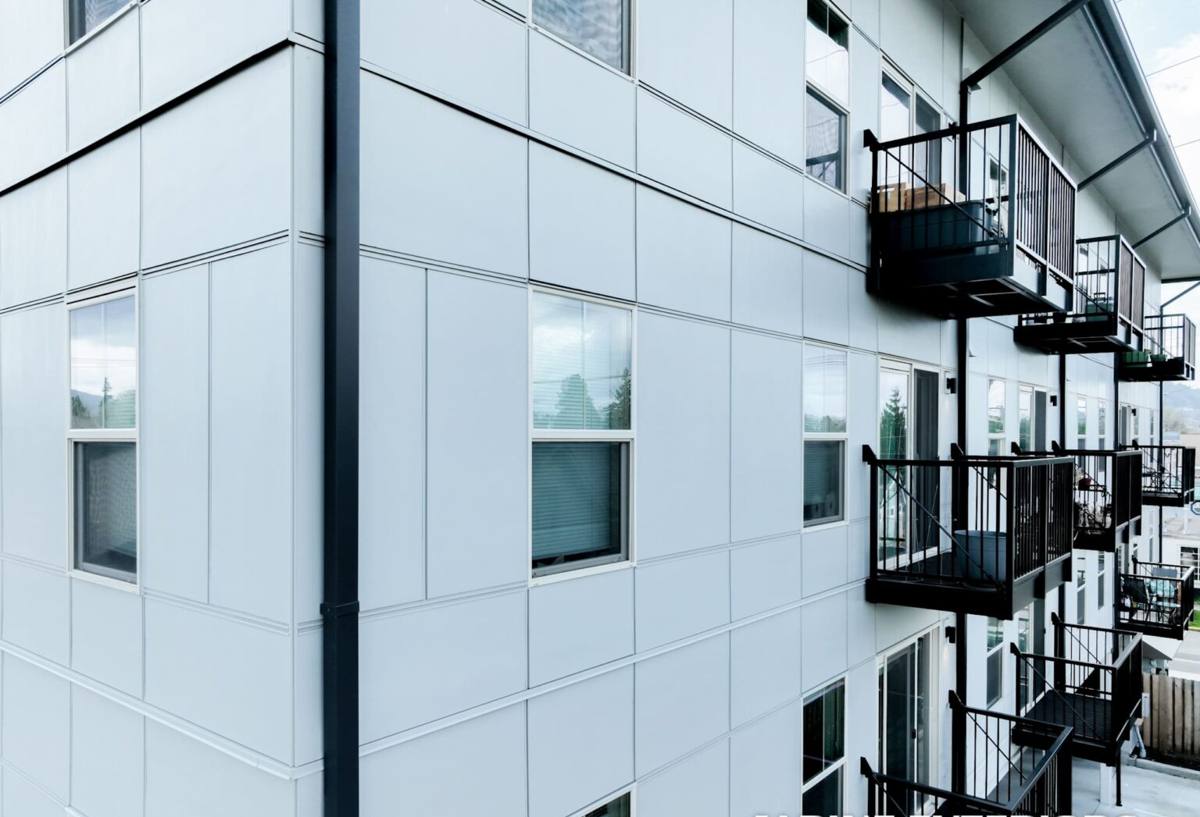
What Makes This Climate Tough on Siding
Shade and Tree Cover
Wooded lots dry out slower. Morning dew and afternoon rain can sit on north-facing walls and shaded corners for hours longer than they would on an open lot, and that extra dwell time is what drives moss, algae, and mildew growth on siding that isn't engineered to handle it.
Driving Rain and Wind
Bellingham and the rest of Whatcom County get a steady diet of wind-driven rain off the water, especially in the fall and winter storm months. Wind-driven rain doesn't just wet a wall — it pushes moisture sideways and upward, testing every seam, joint, and piece of flashing on a house. Siding and installation details that would be fine in a drier, calmer climate can fail here within a few years.
A Long Moss Season
Between the shade, the rain, and the mild year-round temperatures, this area doesn't really have an "off season" for moss and algae growth. Siding that stays damp for long stretches becomes a growth surface, and once moss and algae take hold, they hold moisture against the wall even longer — a cycle that accelerates rot and paint failure on materials that aren't built to shed water well.
Why We Only Install James Hardie
We made a decision early on to install one product system — James Hardie fiber cement — instead of offering vinyl, LP SmartSide, or other fiber cement brands. That's not about upselling; it's about not putting our name on installations we don't believe will hold up in a wet, shaded, wind-exposed climate like this one.
Vinyl siding is thin and flexible, and in a climate this wet it tends to trap moisture behind it rather than let a wall breathe, which is a problem on shaded lots where walls are already slow to dry. LP SmartSide uses an engineered wood strand substrate that can swell, delaminate, or take on rot at cut edges and fastener points if moisture gets past the finish repeatedly, which is a real risk on a lot with this much shade and standing dampness. We're not saying either product fails everywhere it's installed — we're saying that in a climate like Sudden Valley's, fiber cement's inorganic, moisture-stable makeup is the safer long-term bet, and it's the only system we're willing to put our name behind here.
Fiber cement itself is a mix of cement, sand, and cellulose fibers, pressed and cured into planks and panels. Done right, it doesn't rot, it doesn't feed insects, and it's non-combustible — a real advantage during wildfire smoke and ember seasons that have become more common across the Pacific Northwest. James Hardie's ColorPlus finish is baked on at the factory under controlled conditions, which gives it more consistent color retention and adhesion than field-applied paint, and it comes with a longer, transferable warranty backing both the product and the finish.
None of that matters, though, if the product isn't matched to the climate and installed to spec. That's the part homeowners in Sudden Valley should care about most.
The HZ5 Product Line: Matched to This Region
James Hardie engineers its siding in regional formulations called HZ (HardieZone) products, matched to the moisture and temperature patterns of different parts of the country. The Pacific Northwest, including Whatcom County, falls into the HZ5 zone — the formulation built for consistently wet, humid, and shaded conditions rather than dry heat or hard freeze-thaw cycles.
| Factor | Why It Matters in Sudden Valley |
|---|---|
| Moisture resistance | Engineered for prolonged dampness under tree cover and frequent rain, not just occasional wetting |
| Freeze resistance | Formulated for the region's mild, wet winters rather than harsh freeze-thaw climates |
| Factory finish (ColorPlus) | Reduces the repainting cycle that shaded, damp walls would otherwise demand |
| Non-combustible core | Adds a layer of protection during regional wildfire smoke and ember events |
Choosing the right regional formulation is only step one. The installation details — clearances, flashing, fastening, and joint treatment — determine whether that product performs the way it's designed to over the next several decades.
What a Correct Installation Involves
Most siding problems we get called out to inspect in older Whatcom County homes aren't product failures — they're installation shortcuts. In a shaded, wet neighborhood like Sudden Valley, those shortcuts show up faster than they would somewhere drier.
- A weather-resistant barrier installed correctly behind the siding, lapped to shed water downward at every seam
- Proper clearance between the bottom edge of the siding and the ground, decks, patios, and roof lines so splashback and standing water can't wick into the boards
- Flashing at every window, door, and roof-wall intersection, installed so water is directed out and away rather than trapped behind the cladding
- Correct fastener type, spacing, and depth per James Hardie's published installation instructions — over-driven or under-driven nails are one of the most common causes of early siding failure
- Proper gaps at butt joints and trim, caulked with a high-quality, paintable sealant rated for exterior use, not just pushed tight and painted over
- Careful attention to inside and outside corners, which take the brunt of wind-driven rain in an exposed or tree-gapped lot
Every one of those details is invisible once the job is finished and the paint is dry. That's exactly why they matter — nobody will catch a mistake here until moisture finds its way behind the wall, and by then the fix is far more expensive than doing it right the first time.
Our Process for a Sudden Valley Project
We start with an on-site walkthrough of the home, looking at sun and shade exposure, drainage around the foundation, existing siding condition, and any trim, deck ledger, or roofline details that need extra flashing attention. From there we put together a scope that spells out the HZ5 product, profile, and color, along with any trim, water management, or repair work the walls need before new siding goes on.
During installation, old siding and any damaged sheathing or framing underneath is removed and inspected — this is often the first real look anyone gets at a wall's condition in years, and it's common to find moisture damage that had nothing to do with the visible siding surface. We address what we find, install the weather barrier and flashing system, then install the Hardie siding to manufacturer spec. A final walkthrough covers caulking, touch-up, and cleanup before we call the job done.
Homeowners in Sudden Valley don't always notice siding trouble until it's well along, since a lot of it starts on shaded, less-visible walls. Soft spots when you press on a panel, paint that's bubbling or peeling in patches, persistent moss or algae that comes right back after cleaning, and staining or dark streaks near seams and trim are all worth a closer look. Catching those signs early is usually the difference between a repair and a full re-side.
Cost Factors for Sudden Valley Homes
Every home and project scope is different, so we don't quote firm numbers without seeing the house, but a few things consistently move the price on projects in this area:
| Factor | How It Affects the Project |
|---|---|
| Existing wall condition | Rot or moisture damage found under old siding adds repair scope before new siding can go on |
| Home size and complexity | Steep rooflines, multiple stories, and lots of corners and trim add labor time |
| Access | Wooded lots, steep driveways, and limited staging space common in Sudden Valley can affect scheduling and setup |
| Siding profile and trim choice | Lap width, panel style, and trim detailing affect material cost and install time |
| Amount of flashing and water management work | Homes with more windows, decks, and roof intersections need more flashing detail |
Why a Crew That Already Works Here Matters
Sudden Valley is a planned community, and like many neighborhoods with a homeowners' association, exterior projects here can come with design guidelines or approval steps that don't exist on a standard city lot. A crew that's worked in the neighborhood before knows to ask about that up front, rather than discovering it mid-project.
Local experience also means knowing what this specific setting does to a house — which walls stay shaded and damp longest, where moss tends to build up, and how driveways and tree cover on a wooded lot affect material staging and equipment access. None of that is guesswork once you've worked a number of homes in the same conditions.
Living With Hardie Siding in a Shaded, Wet Neighborhood
Even with the right product and a correct installation, a little routine care goes a long way in a shaded, moss-prone setting like Sudden Valley. An occasional gentle rinse to keep organic buildup from taking hold, keeping gutters clear so water isn't dumping down a wall, and trimming back vegetation that keeps siding in constant shade or contact all help the siding perform the way it's designed to for the long haul. James Hardie's factory finish reduces the repainting burden, but it isn't a substitute for basic upkeep — and a well-installed system makes that upkeep far simpler than chasing rot and failed caulk joints on a wall that was never set up to shed water in the first place.
If you're weighing a siding project for a home in Sudden Valley, we're happy to come take a look, walk the exterior with you, and put together a straightforward, no-pressure estimate — just fill out the form below.