 Bellingham Siding
 Birch Bay Windows Work Harder Than Windows Almost Anywhere Else in Whatcom County
Birch Bay sits right on the water, and that location cuts both ways. The views are part of why people live there, but the same exposure that makes the setting great also makes window installation a different job than it is a few miles inland in Bellingham. Salt-laden air, wind-driven rain coming straight off the bay, and a moss season that can stretch from October into May all put steady pressure on window frames, seals, and hardware. A window that would hold up fine on a sheltered inland lot can start failing years early on a waterfront or near-waterfront property in Birch Bay if it wasn't chosen and installed with that exposure in mind.
This page is about that one job — window installation for Birch Bay homes specifically — not a general overview of windows everywhere we work.
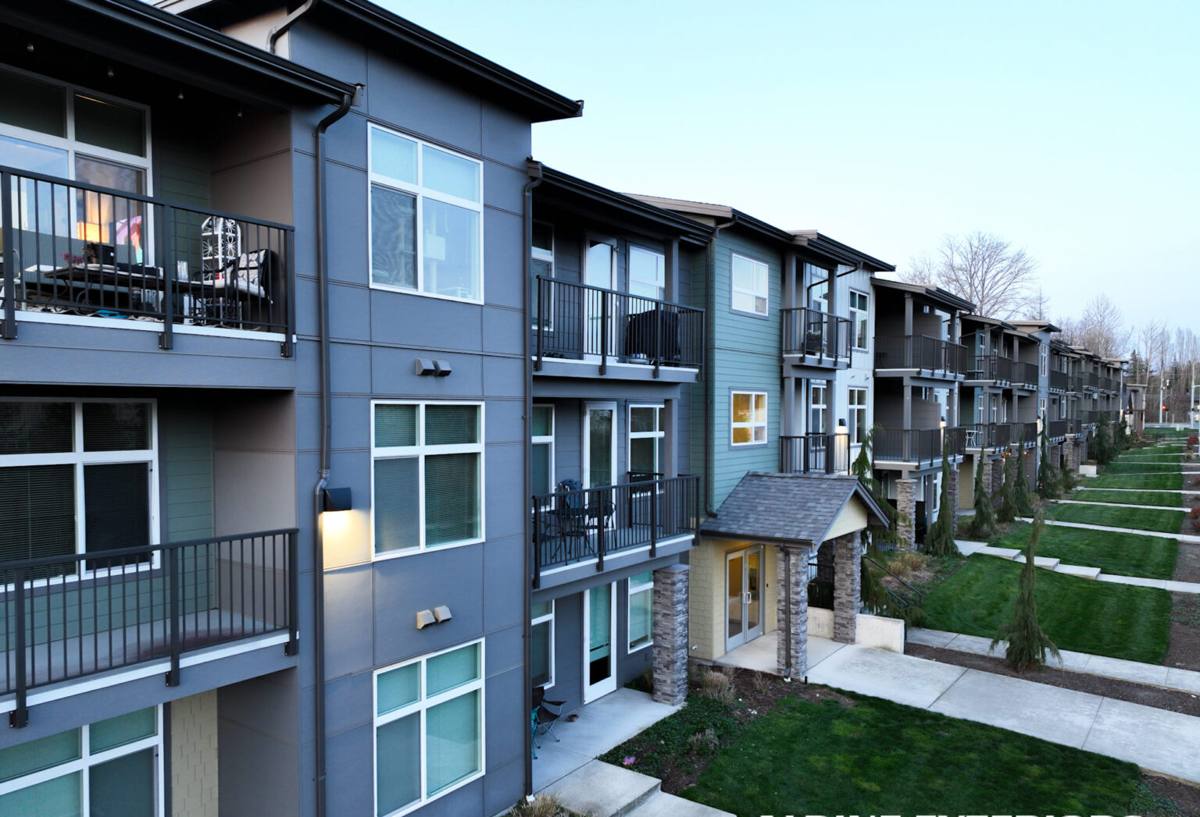
What Birch Bay's Climate Actually Does to a Window
Salt Air
Airborne salt is corrosive to unprotected metal. Over years, it can pit and weaken cheap hinges, cranks, balance systems, and screws — especially on the ocean-facing side of a house. It also breaks down some sealants and finishes faster than they'd wear inland. This doesn't mean windows near the water are doomed; it means hardware and finish choices matter more here than they do a few miles away.
Driving Rain
Wind off the bay pushes rain sideways into a wall, not just straight down onto a roof. That changes how a window needs to be flashed and sealed. A window opening that would stay dry in a calm rain can leak under wind-driven conditions if the flashing details underneath the trim aren't done correctly — and once water gets behind the exterior finish, you often don't see the damage until it's already spread into the wall framing or sheathing.
The Long Moss Season
Whatcom County's damp stretch means wood trim, sills, and any exposed fasteners stay wet longer and dry out slower than in drier climates. Moss and algae hold moisture against surfaces. Around windows specifically, that extended dampness is what turns a small caulking gap or a missed flashing detail into rot, rather than just a cosmetic issue.
What a Correct Installation Actually Involves
The window unit itself is maybe a third of the job. The rest is what happens around it — and it's the part that determines whether the installation still performs in ten or fifteen years.
- Removing the old window and exposing the rough opening to check for hidden rot, soft wood, or existing water damage before anything new goes in
- Repairing or replacing any damaged framing found underneath — not installing over it
- Installing weather-resistant barrier and flashing tape in the correct shingle-lapped order so water is directed out, not trapped in
- Setting the window level, plumb, and square, then securing it per manufacturer fastening requirements
- Insulating the gap between the window frame and rough opening without over-packing it, which can bow the frame
- Sealing and trimming the exterior in a way that sheds wind-driven rain rather than just blocking straight-down rain
- Final operation check — every sash, lock, and screen working smoothly before we call it done
Skip or rush any one of those steps and the window itself can be top quality and still fail early — especially under Birch Bay's conditions.
Choosing Window Materials for a Waterfront-Adjacent Home
There's no single "best" window material for every situation, but some tradeoffs matter more in Birch Bay than they would on a sheltered inland lot. Here's how the common options generally hold up under salt air and driving rain exposure:
| Frame Material | Salt Air Behavior | Moisture Behavior | Maintenance |
|---|---|---|---|
| Vinyl | Does not corrode; UV-stable finishes hold up well | Doesn't absorb water; seams and welds are the main concern | Low — occasional cleaning |
| Fiberglass | Very stable in salt air; dimensionally stiff | Excellent moisture resistance; minimal expansion/contraction | Low |
| Wood / Wood-Clad | Cladding protects the wood, but any breach exposes it to rot | Vulnerable if finish or cladding is compromised | Higher — finish upkeep and joint inspection |
| Aluminum | Can corrode or pit over time without a marine-grade finish | Conducts cold and can condense; not our default recommendation here | Moderate to high near the water |
We're not going to tell you a certain product is "bad" — plenty of wood-clad windows perform fine for decades when the cladding stays intact and the homeowner keeps up with finish maintenance. But for a lot of Birch Bay properties, especially anything within direct sightline of the water, vinyl or fiberglass frames with corrosion-resistant (often stainless or coated) hardware are simply a lower-maintenance match for the exposure. We'll walk through what fits your specific home and budget rather than pushing one material across the board.
Full-Frame Replacement vs. Insert Replacement
Two different approaches come up in almost every window conversation, and which one applies depends on the condition of what's already there.
Insert (Pocket) Replacement
The new window is installed inside the existing frame, which stays in place. It's faster and less invasive, and it works well when the existing frame is still solid, square, and dry.
Full-Frame Replacement
The old frame comes out completely, exposing the rough opening down to the framing. This is the right call whenever there's any sign of water damage, rot, or an out-of-square opening — which, given Birch Bay's rain exposure, is more common here than in drier parts of the county. It's more labor, but it's the only way to actually fix a moisture problem instead of building the new window around it.
We don't default to the cheaper option just because it's cheaper. If we open things up and the frame is compromised, we'll tell you, show you what we found, and give you a straight recommendation — not upsell you on things you don't need.
Signs Your Current Windows Are Already Losing the Battle
A lot of Birch Bay homeowners call us after noticing one or more of these — worth checking your own windows for the same signs, especially on the water-facing side of the house:
- Condensation or fogging between the panes of a double- or triple-pane window (a sign the seal has failed)
- Soft, discolored, or spongy trim or sill wood around the window
- Visible rust or heavy corrosion on cranks, hinges, or locks
- A draft you can feel with your hand near the frame on a windy day
- Moss or persistent green staining building up on the sill or trim
- Difficulty opening, closing, or locking a window that used to operate smoothly
- Paint or caulk that's cracked, peeling, or pulling away from the frame
None of these mean you need a full replacement immediately, but they're worth having looked at before they turn into a framing repair.
Our Process, Start to Finish
The process is the same whether it's one window or a whole house, scaled to the size of the job:
- Walkthrough and assessment — we look at existing windows and openings, including any current signs of water intrusion
- Straight recommendation — insert vs. full-frame, material options, and an honest read on what your home actually needs
- Written estimate — clear pricing before any work starts, no surprise add-ons sprung on you mid-job
- Installation — careful removal, framing check and repair if needed, correct flashing sequence, and precise setting of the new unit
- Walkthrough and cleanup — every window operated and checked with you before we consider the job done, site cleaned up before we leave
Why a Crew That Already Works Birch Bay Matters
Window installation isn't a one-size-fits-all trade. A crew that's done this work up and down the Whatcom County coastline already knows how far the salt exposure typically reaches on a given lot, what wind-driven rain actually does to a wall assembly out here, and which framing issues tend to show up in homes of a certain age near the water. That's not something you can fully substitute with a generic install — it comes from having done the work in these exact conditions repeatedly.
We're a Bellingham-based crew, and Birch Bay is part of our regular service area, not a special trip. That matters for scheduling, for follow-up if a question comes up after the job, and for knowing the difference between a normal coastal weathering pattern and an actual problem.
Get a Straight Answer About Your Windows
If you're dealing with drafts, fogged panes, sticking hardware, or you're just planning ahead before the next stretch of wet Whatcom County weather, we're happy to take a look. We'll give you an honest read on what your windows actually need — not a sales pitch. Reach out for a free, no-pressure estimate using the form below.