 Bellingham Siding
 Windows Built for What Cordata's Climate Actually Does to a House
Cordata sits in north Bellingham, close enough to the water and the lowland weather patterns that move through Whatcom County to feel every part of our marine climate: long stretches of driving rain, salt-tinged air rolling in off Bellingham Bay and the Salish Sea, and a moss season that can run from October well into spring. None of that is exotic weather, and none of it requires exotic solutions — but it does mean a window installation done the way it would be done in a drier inland climate is going to underperform here. Gaps that would never leak in Spokane will leak in Cordata. Sealants that hold up fine in a dry summer climate break down faster under our humidity and UV cycle. This page is about what actually matters when you're installing or replacing windows on a Cordata home, and how we approach the job so it holds up through Bellingham winters, not just through the first inspection.
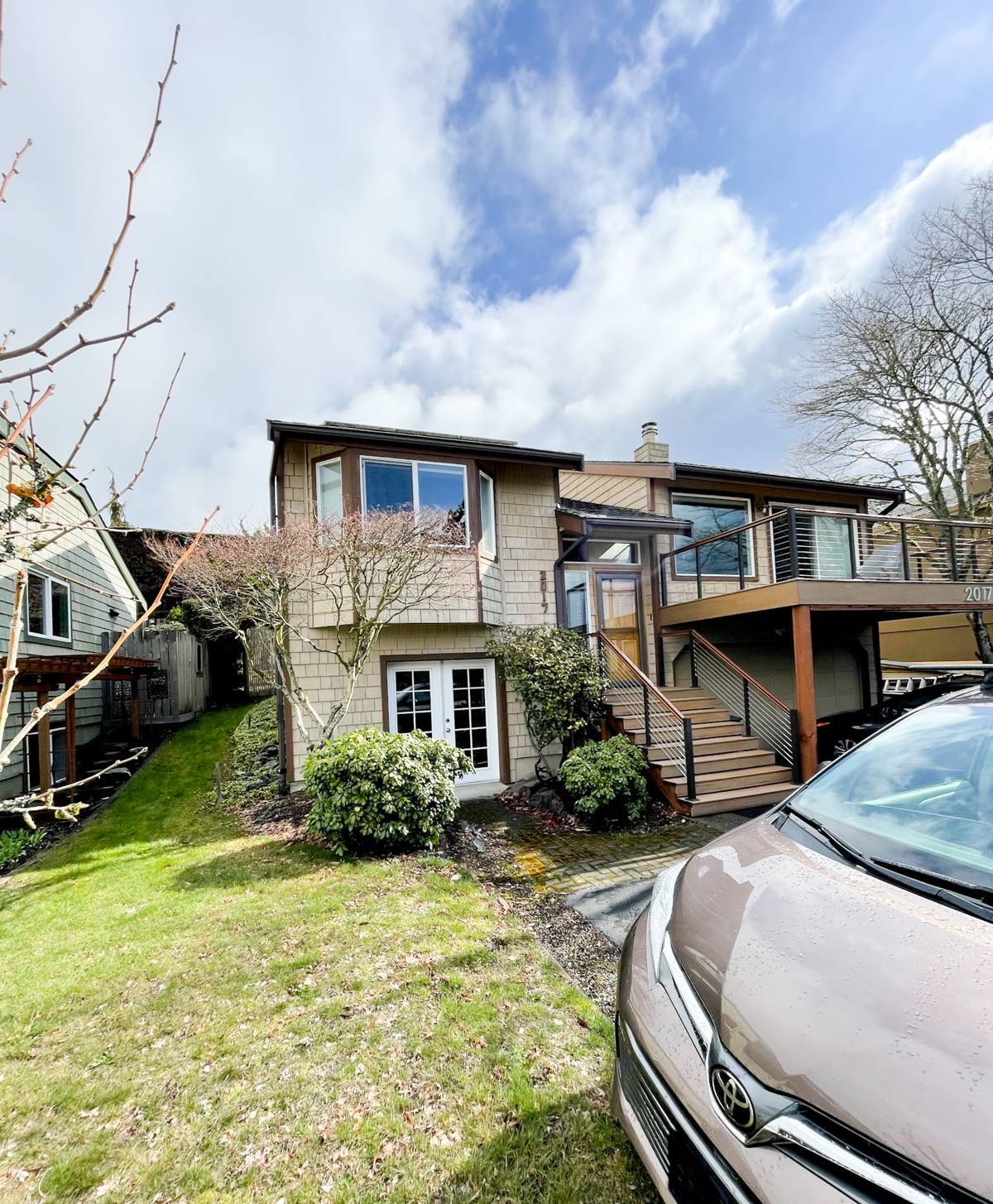
What Driving Rain, Salt Air, and Moss Season Do to Windows
Three regional conditions do most of the damage to windows in this area, and they don't act alone — they compound each other over time.
Driving Rain and Wind-Driven Moisture
Whatcom County storms don't just fall straight down — wind pushes rain sideways into siding and window openings, especially on homes with west- or southwest-facing exposures that catch the prevailing weather. A window that's only sealed with caulk around the trim, without proper flashing behind it, will eventually let water track behind the frame. That moisture doesn't show up as an obvious leak right away; it shows up months or years later as soft framing, stained drywall below the sill, or a musty smell in a wall cavity.
Salt Air and Coastal Corrosion
Homes closer to the water deal with airborne salt that accelerates corrosion on hardware, fasteners, and lower-grade metal components. It's a slower process than rain intrusion, but it shows up as pitted or seized window hardware, corroded screws in fasteners that were never rated for a coastal-influenced climate, and premature wear on aluminum components that weren't properly finished.
Moss and Prolonged Damp Exposure
Bellingham's moss season isn't just a roof problem. Moss and algae growth on north-facing walls and around window trim holds moisture against wood surfaces for extended periods, which is exactly the condition that leads to rot in sills, trim, and exterior casing. A window installed without enough of a drainage gap, or without back-primed and properly finished trim, gives moss and damp conditions a place to sit and do slow damage.
Signs a Cordata Home's Windows Need Attention
Most window problems in this climate develop gradually. Catching them early is cheaper and less disruptive than waiting for a full failure.
- Visible gaps, cracked caulk, or daylight showing around the frame from inside
- Soft, discolored, or bubbling material on the sill or surrounding trim
- Persistent condensation between panes, which usually means a failed seal on a double-pane unit
- Drafts you can feel near the window even when it's fully closed and locked
- Difficulty opening, closing, or locking — often a sign the frame has shifted or swollen
- Visible moss, algae, or dark staining building up on or around the exterior trim
- A noticeable jump in heating costs without any other explanation
What a Correct Window Installation Actually Involves
The window unit itself is only part of the job. In this climate, the installation detailing around the window is what determines whether it performs for one winter or twenty.
Flashing and Water Management
Every opening needs a sill pan or sloped sill flashing to direct any water that does get past the window back out, not into the wall cavity. Head flashing and properly lapped weather-resistive barrier — installed shingle-style so upper layers overlap lower ones — keep wind-driven rain from tracking behind the window on the sides most exposed to our storms.
Air Sealing Without Trapping Moisture
The gap between the window frame and the rough opening needs to be sealed for air infiltration, but with materials that stay flexible and don't block the assembly's ability to dry out if a small amount of moisture does get in. Rigid, one-time caulk jobs with no backer rod or flexible sealant tend to crack under Bellingham's freeze-thaw and wet-dry cycling within a few seasons.
Proper Shimming and Squaring
A window that isn't shimmed level and square will bind, won't seal evenly along all four sides, and puts uneven stress on the frame that shortens its service life. This is a step that's easy to rush and hard to fix later without pulling the trim.
Fasteners and Hardware Rated for This Climate
Given the salt air exposure many Cordata properties see, we use fasteners and hardware rated for coastal or high-humidity conditions rather than standard interior-grade hardware, which corrodes faster here than it would inland.
Choosing a Window Frame Material for a Cordata Home
There's no single "best" frame material — the right choice depends on your home's exposure, your budget, and how much upkeep you want to take on. Here's how the common options actually compare in our climate.
| Frame Material | Moisture Performance | Maintenance | Notes for This Climate |
|---|---|---|---|
| Vinyl | Good — won't rot or corrode | Low | Reliable, budget-friendly choice; quality varies a lot between manufacturers |
| Fiberglass | Excellent — very stable in wet/dry cycling | Low | Handles our humidity swings well; higher upfront cost, longer service life |
| Wood (clad exterior) | Good if cladding stays intact | Moderate to high | Warm interior look, but exposed wood is vulnerable to our rain and moss season if detailing fails |
| Aluminum (uninsulated) | Poor thermally, prone to condensation | Moderate | We generally steer homeowners away from this for Whatcom County's damp, cool climate due to condensation and heat-loss issues |
For most Cordata homes, we recommend vinyl or fiberglass as the practical middle ground — both resist the moisture cycling this area sees without the ongoing maintenance burden that wood cladding or bare aluminum can carry.
Our Window Installation Process
- On-site assessment: We look at the existing window openings, framing condition, exposure to prevailing wind and rain, and any signs of past moisture damage before recommending anything.
- Product selection: We walk through frame material, glazing options, and performance ratings based on your home's exposure and budget — not a one-size-fits-all package.
- Removal and opening prep: Old windows come out carefully, and we inspect the rough opening and framing for rot or damage before anything new goes in. This is often where hidden moisture problems from a prior installation surface.
- Flashing and weather barrier work: Sill pans, head flashing, and properly lapped weather-resistive barrier go in before the new window, matching the detailing described above.
- Setting, shimming, and squaring: The window is set level, plumb, and square, then fastened with hardware appropriate for this climate.
- Air sealing and finish work: Flexible, climate-appropriate sealant, insulation in the gap, and finish trim complete the installation.
- Final walkthrough: We check operation, seals, and finish work with you before calling the job done.
Full-Frame Replacement vs. Insert Windows
One decision that comes up on almost every Cordata project is whether to do a full-frame replacement or an insert (pocket) replacement that fits into the existing frame.
When an Insert Window Makes Sense
If the existing frame is still sound, dry, and square, an insert replacement is faster, less invasive, and typically less expensive. It reuses the existing frame and trim, which also means less disruption to interior and exterior finishes.
When Full-Frame Replacement Is the Right Call
If we find rot, water damage, or a frame that's out of square — which shows up more often on older Cordata homes that have gone through a few decades of Bellingham winters without attention to their window flashing — an insert replacement just traps the existing problem behind a new window. Full-frame replacement lets us address the flashing, the weather barrier, and the framing itself, not just swap the sash. We'll always tell you honestly which situation you're in rather than defaulting to the cheaper option if it isn't the right fix.
What Affects the Cost of a Window Installation
| Factor | Why It Matters |
|---|---|
| Frame material | Vinyl is typically the most affordable; fiberglass and clad-wood cost more upfront but can offer longer service life |
| Full-frame vs. insert | Full-frame replacement involves more labor and materials but addresses underlying framing or moisture issues |
| Number and size of windows | Larger openings and specialty shapes take more time and custom fitting |
| Condition of existing framing | Rot repair or reframing adds cost but is essential if damage is present |
| Glazing and performance package | Double vs. triple pane, and coatings for our low-light winters, affect both cost and long-term energy performance |
We don't quote a job over the phone without seeing the openings — a fair, accurate number depends on what's actually behind your existing trim.
Why Hiring a Crew That Already Works in Cordata Matters
A window installer who mainly works in drier inland climates will still know how to hang a window — but they may not default to the sill pan flashing, lapped weather barrier sequencing, and climate-rated hardware that this specific corner of Whatcom County calls for. A crew that regularly works Cordata and the rest of the Bellingham area already knows which exposures on a given lot tend to take the worst of the driving rain, how moss and damp buildup shows up around trim here, and what corrosion-resistant hardware actually holds up against the salt air drifting in off the bay. That local pattern recognition is the difference between a window installation that looks right on day one and one that's still performing correctly ten winters from now.
Get a Free, No-Pressure Estimate
If you're dealing with drafty, foggy, or hard-to-operate windows on a Cordata property — or you're planning ahead before the next wet season sets in — we're happy to take a look and give you a straightforward, no-pressure estimate. Use the form below to get started.