 Bellingham Siding
 Window Replacement Built for Barkley's Climate
Barkley sits inland a bit from the water, but that doesn't spare it from what makes window replacement in Bellingham different from window work almost anywhere else in the country. Salt-laden air off Bellingham Bay travels further than most homeowners expect, driving rain comes in sideways for weeks at a stretch in the fall and winter, and the region's damp, shaded stretches feed a moss and mildew season that can run nine months out of the year. Windows here don't fail because they're old in the abstract sense — they fail because seals, sills, and flashing details were never built to handle this much sustained moisture exposure.
That's the lens we bring to every window replacement in Barkley: not just swapping glass and frames, but making sure the whole assembly — window, flashing, sill pan, and the wall around it — is doing its job as a system. A window that looks fine but was installed without proper water management will show problems in three to five years, not twenty.
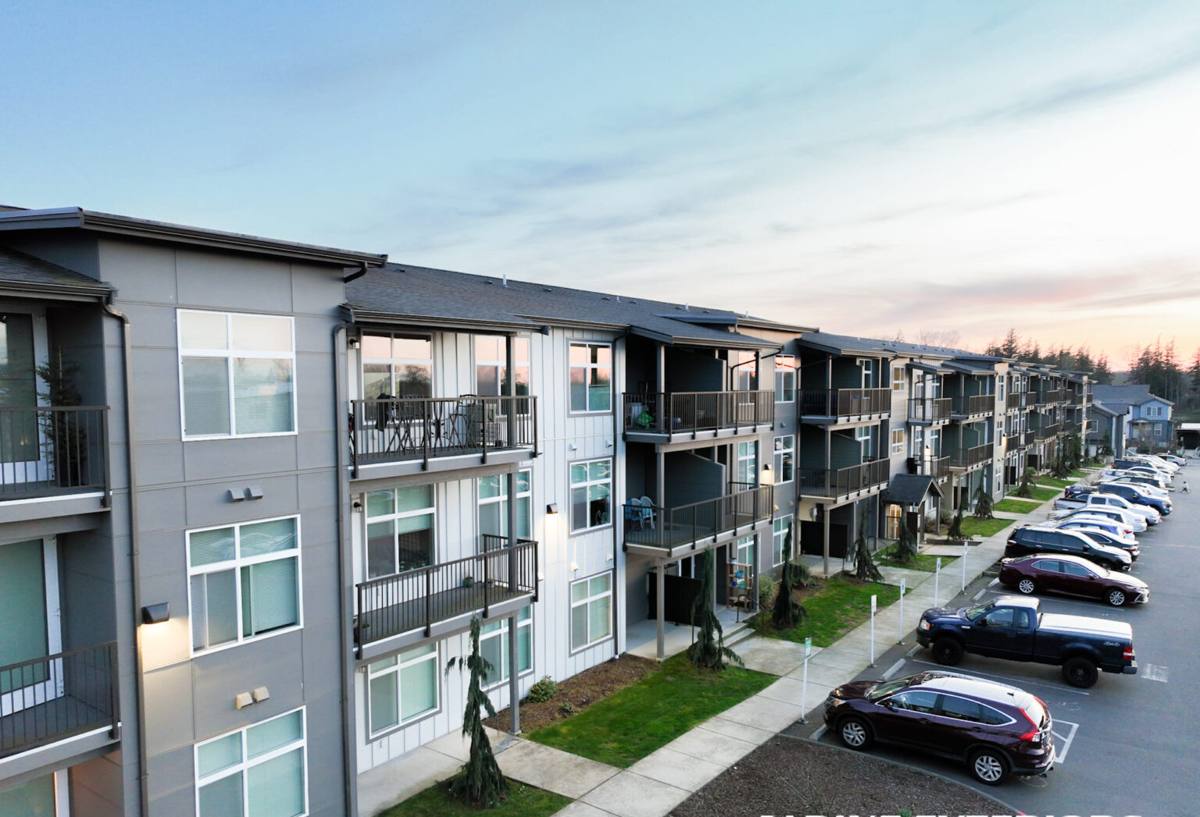
Signs a Barkley Home's Windows Are Due
Whatcom County's weather has a way of exposing weak points early. If you're seeing any of the following, it's worth having the windows looked at before it turns into a bigger repair:
- Fogging or condensation between panes on double- or triple-glazed units — the seal has failed and the insulating gas is gone
- Soft or discolored wood on the interior sill or exterior trim, especially on north- and west-facing walls that catch the most driving rain
- Visible moss or black streaking building up around the frame edges, which points to standing moisture rather than a simple cleaning issue
- Drafts you can feel with a hand near the frame on a windy day, even with the window latched
- Difficulty opening, closing, or locking — frames can swell and warp after repeated wet/dry cycles
- Rising heating bills without a clear cause, which is often a sign of failed seals or thinning insulation around older aluminum or single-pane frames
Any one of these on its own might just need attention. Several together, especially on an older home, usually means it's time to talk replacement rather than repair.
What a Correct Installation Actually Involves
The window itself is only part of the job. In a climate that sends this much water at a house, the installation details matter more than the brand name on the frame. A correct replacement in this area includes:
Proper flashing and sill pan work
Every opening gets a sloped sill pan and a flashing sequence that sheds water down and out, never letting it pool against the framing. This is the single most common corner cut on rushed jobs, and it's the one that causes rot years later, hidden behind trim that still looks fine.
Compatible sealants and moisture barriers
The window has to integrate with the house's existing weather-resistive barrier, not just get caulked around the edges. Caulk alone is a stopgap, not a water management plan — it fails, and when it does, it fails quietly behind the wall.
Correct fastening and shimming
A window that isn't shimmed square and fastened per the manufacturer's pattern will rack over time, which breaks the seal at the corners first — exactly where leaks are hardest to spot until there's already damage.
Insulation at the gap
The space between the window frame and the rough opening needs to be filled with a low-expansion foam or backer rod and sealant designed for that gap — not stuffed with fiberglass, which does little for air sealing and nothing for water.
Choosing a Window Type for This Climate
There's no single "best" window for every Barkley home — it depends on the home's age, exposure, and what you're trying to solve. Here's how the common options stack up for a marine, wet-winter climate:
| Frame Material | Moisture Performance | Maintenance | Best Fit |
|---|---|---|---|
| Vinyl | Doesn't rot or corrode; performs well in damp climates | Low — occasional cleaning | Most homes prioritizing value and low upkeep |
| Fiberglass | Excellent — stable in wet/dry cycling, resists warping | Low | Homes wanting longer lifespan and minimal movement over time |
| Wood-clad | Good if detailed correctly, but cladding seams need monitoring | Moderate — periodic inspection of seals and cladding joints | Homes prioritizing a traditional interior wood look |
| Aluminum (older stock) | Poor — conducts cold, prone to condensation and corrosion near salt air | High | Generally a replacement candidate, not a install choice, in this area |
For most Barkley homes, we steer clients toward vinyl or fiberglass for the moisture and salt-air resistance without the ongoing maintenance burden. Wood-clad units can still be the right call for a specific look, but we're upfront that they ask more of the homeowner over time — that's a trade-off, not a defect, and it's one you should walk into with eyes open.
What Drives the Cost
Every project is different, but the same handful of factors move the price up or down on most window replacements in this area:
| Factor | Why It Matters |
|---|---|
| Number and size of openings | Straightforward driver of material and labor time |
| Frame material | Vinyl is typically the most budget-friendly; fiberglass and wood-clad cost more upfront |
| Condition of the existing opening | Rot or framing damage found once the old window is out adds repair scope |
| Glass package | Double vs. triple pane, low-E coatings, and gas fills affect both cost and performance |
| Access and site conditions | Second-story or hard-to-reach windows take longer and need more equipment |
| Retrofit vs. full-frame replacement | Full-frame costs more but is often the right call when there's existing water damage |
We won't quote a number without seeing the openings — anyone who does is guessing, and on a job where hidden rot is common in this climate, guessing costs homeowners money later. What we will say honestly: full-frame replacement costs more than a pocket retrofit, but if the sill or framing has any rot, it's the only way to actually fix the problem instead of sealing over it.
How We Handle a Barkley Project
The process is straightforward, and we keep it that way on purpose:
- Walkthrough and assessment — we look at each opening, check for existing moisture damage, and talk through what you're trying to solve, whether that's drafts, condensation, appearance, or all three
- Written estimate — clear line items, no vague allowances, so you know what you're paying for before work starts
- Scheduling around the weather — we plan installs to minimize how long any opening sits exposed, which matters a lot given how often this region sees rain
- Removal and inspection — once the old window is out, we check the framing and sill for hidden damage before anything new goes in
- Installation — proper flashing, sill pan, shimming, and sealing, done to manufacturer spec, not shortcuts
- Final walkthrough — we test operation, check the seals, and make sure everything is clean before we consider the job done
What to Ask Before You Hire Anyone
Window replacement is one of those jobs where a bad install can look perfectly fine for a year or two before the real cost shows up. A few questions worth asking any contractor, us included:
- Do you install a sloped sill pan and integrate flashing with the existing weather barrier, or just caulk around the frame?
- What happens if you find rot or damage once the old window is out — is that a change order, and how is it priced?
- What's the manufacturer's warranty on the windows, and what's your labor warranty on the installation itself?
- Can you walk me through why you'd recommend retrofit versus full-frame replacement for my specific openings?
- Do you carry current licensing and insurance for work in Whatcom County?
A contractor who answers these clearly and specifically, without dodging into brand talk, is usually one who actually understands the install — not just the sale.
Living With New Windows in a Wet, Salty Climate
Even a correctly installed window benefits from a little seasonal attention here. Rinse frames and tracks periodically to clear salt residue and organic buildup before it turns into moss or grime. Keep an eye on exterior caulk lines once a year — sealants degrade faster under constant UV and rain cycling than most people expect, and catching a failed bead early is a five-minute fix instead of a moisture problem. Clear debris from weep holes on vinyl and fiberglass frames so water has somewhere to go instead of sitting against the sill. None of this is heavy maintenance — it's the kind of upkeep that keeps a good install performing for its full lifespan instead of fighting the climate from year one.
Why a Local Crew Matters for This Job
Window replacement done by a crew that already works Barkley and the rest of Bellingham means the flashing details, sealant choices, and install sequencing are dialed in for exactly this climate — not adapted from a drier region's playbook. We're not guessing at how much rain exposure an opening will see before the sealant cures, or whether a given frame material will hold up against salt air over a decade. We've seen what happens when those details get skipped, and we build every install to avoid it. If you're weighing window replacement for a home in Barkley, we're happy to take a look and give you a straightforward, no-pressure estimate — just fill out the form below.