 Bellingham Siding
 Roofing in Barkley: Built for Whatcom County's Wet Side
Barkley sits close enough to Bellingham Bay that salt-laden air is a regular part of the weather mix, and it's far enough into the Pacific Northwest's wet belt that homes here deal with driving rain off and on for most of the year. Add in the shaded, tree-lined lots common throughout this part of Bellingham and you get long moss seasons that can run from fall through spring. None of that is a problem for a roof that's designed and installed correctly. It becomes a problem fast on a roof that's aged out, was installed with corners cut, or was never set up to shed moisture and moss the way this climate demands.
A new roof installation in Barkley isn't just about swapping old shingles for new ones. It's about building a roofing system - deck, underlayment, ventilation, flashing, and surface material - that's matched to what this specific area throws at it year after year.
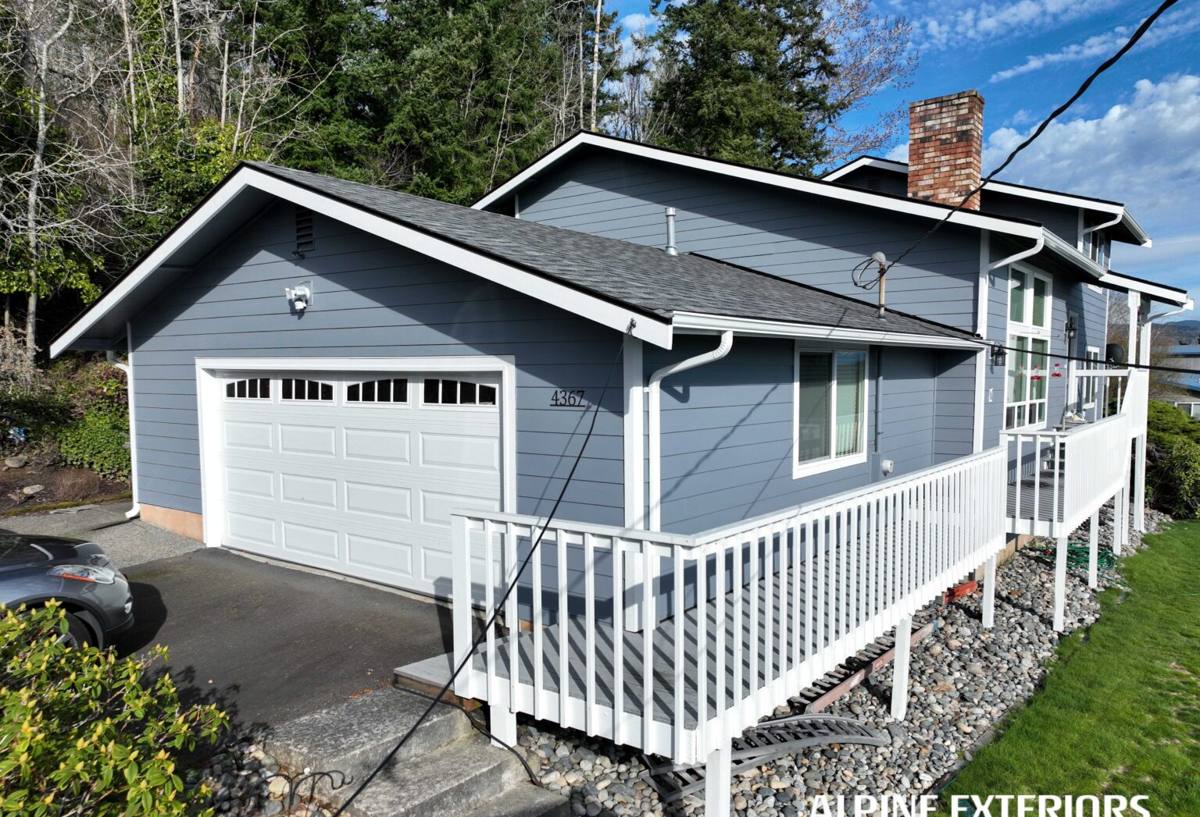
What Whatcom County Weather Actually Does to a Roof
Salt Air and Metal Fasteners
Being close to the water means airborne salt settles on roofing surfaces and metal components over time. Cheap or mismatched fasteners, flashing, and vent hoods corrode faster near the coast than they would inland. It's a slow process, but it's constant, and it's one of the reasons material and hardware choices matter more here than in a landlocked climate.
Driving Rain, Not Just Rain
Bellingham doesn't just get steady drizzle - a good portion of Whatcom County's precipitation comes in sideways during fall and winter storms. Wind-driven rain finds every gap in flashing, every under-lapped shingle, and every place where underlayment was rushed. A roof that's fine in a light straight-down rain can still leak under wind-driven conditions if the details weren't done right.
Moss Season
Shaded roof sections, north-facing slopes, and homes surrounded by mature trees - common throughout Barkley and the rest of Bellingham - stay damp longer than roofs in open sun. That moisture retention is exactly what moss needs to take hold. Moss isn't just cosmetic. It holds water against the roofing surface, lifts shingle edges, and works its way into fastener lines over time, shortening the life of an otherwise sound roof.
Signs a Barkley Roof Needs Replacement, Not Another Repair
Not every roofing issue means a full replacement, but there's a point where patching stops being the honest recommendation. We look for:
- Granule loss heavy enough that you can see bare asphalt in multiple spots, not just one worn patch
- Shingles that are curling, cracking, or lifting across large sections rather than isolated areas
- Soft spots or sagging in the roof deck when walked, which usually means water has reached the sheathing
- Moss growth that keeps coming back within a season or two of cleaning, even after treatment
- Daylight visible through the attic roof boards, or water stains on interior ceilings near exterior walls
- A roof that's already had two or more repair visits for separate leaks in the last couple of years
- Flashing around chimneys, skylights, or valleys that's rusted, separated, or was never properly stepped in
If a roof is showing two or more of these, replacement is usually the more cost-effective route over continuing to chase individual repairs.
What a Correct New Roof Installation Actually Involves
Tear-Off and Deck Inspection
We remove the old roofing down to the deck rather than layering over it. This lets us actually see the plywood or board sheathing underneath, which is the only way to know if there's rot, soft spots, or old water damage that needs to be addressed before anything new goes down. Covering over a compromised deck just hides the problem under new shingles.
Underlayment and Water Protection
Given how much wind-driven rain this area sees, underlayment choice and installation detail matter as much as the shingle itself. We use synthetic underlayment across the full roof and self-adhering ice-and-water membrane in the vulnerable spots - eaves, valleys, and around any roof penetrations - where wind can push water uphill under the surface layer.
Ventilation
Proper intake and exhaust ventilation keeps the attic space dry and temperature-regulated. This directly affects moss growth (a warmer, wetter roof deck grows moss faster) and shingle lifespan (heat and trapped moisture age asphalt shingles from underneath). A lot of older Bellingham homes were built with minimal or unbalanced ventilation, and we address that as part of the installation rather than working around it.
Flashing and Detail Work
Chimneys, skylights, valleys, sidewalls, and vent penetrations are where the vast majority of roof leaks actually originate - not the open field of shingles. Correct step flashing, counter-flashing, and valley treatment take more time than a rushed install allows for, but they're the difference between a roof that handles a real Whatcom County storm and one that doesn't.
Fasteners and Hardware
Given the salt air exposure, we use corrosion-resistant fasteners and flashing metals rather than the cheapest available hardware. It costs a bit more up front and pays for itself by not rusting out a decade early.
Choosing a Roofing Material for a Barkley Home
There's no single "best" roofing material - the right choice depends on your budget, your home's structure, and how much long-term maintenance you want to take on. Here's an honest comparison for this climate:
| Material | Typical Lifespan | How It Handles Moss/Moisture | Maintenance Level |
|---|---|---|---|
| Asphalt composition shingle | 20-30 years | Moderate - benefits from good ventilation and periodic cleaning | Low to moderate |
| Architectural/dimensional shingle | 25-35 years | Good - heavier profile sheds water and resists lifting better than 3-tab | Low to moderate |
| Standing seam metal | 40-60 years | Excellent - smooth surface and steep shed profile discourage moss | Low |
| Cedar shake | 20-30 years with upkeep | Poor without diligent maintenance - absorbs moisture and needs regular treatment | High |
We don't push cedar shake in this climate as a default recommendation. It can look great, but it needs consistent maintenance to resist moisture and moss here, and that's an honest trade-off homeowners should weigh going in rather than find out about later. Asphalt shingle - especially architectural grade - remains the most common, cost-effective choice for Barkley homes, with metal as a strong long-term option for homeowners planning to stay put and wanting to minimize future maintenance.
Cost Factors for a New Roof Installation
We don't quote roofing jobs sight unseen because roof size, pitch, layer count, deck condition, and material choice all move the number significantly. In general, the factors that most affect cost on a Barkley project are:
- Roof size and complexity - more valleys, dormers, and penetrations mean more labor and material
- Pitch and access - steep or hard-to-access roofs take longer and require more safety setup
- Deck condition - any rotted sheathing found during tear-off needs to be replaced before new roofing goes on
- Number of existing layers - removing two layers of old roofing costs more than removing one
- Material selection - asphalt, architectural shingle, and metal all sit at different price points
- Ventilation upgrades - adding proper intake/exhaust venting where it's currently inadequate
We walk the roof, inspect the attic where accessible, and give a written estimate that spells out exactly what's included - not a vague ballpark that changes once work starts.
Our Installation Process
- On-site inspection - we assess the current roof, attic ventilation, and any visible problem areas
- Written estimate - clear scope of work, materials, and pricing before anything is scheduled
- Permitting - we handle the City of Bellingham or Whatcom County permit process as required for the job
- Tear-off and deck inspection - old roofing removed, deck checked and repaired where needed
- Underlayment and flashing installation - water protection layer and all flashing details done correctly
- Roofing material installation - installed to manufacturer specification to keep warranty coverage intact
- Ventilation check - intake and exhaust venting confirmed balanced for the attic space
- Final walkthrough and cleanup - site cleared of debris and nails, roof reviewed with the homeowner
Why It Matters That We Already Work in Barkley
A roofing crew that regularly works Bellingham and Whatcom County neighborhoods like Barkley already knows the local permitting process, the typical construction of homes in this area, and - most importantly - exactly how this climate behaves. We're not guessing at how much wind-driven rain a valley needs to handle or whether a shaded north slope needs extra attention for moss. We've seen it, roof after roof, in this exact area. That local familiarity shows up in fewer surprises during the job and a roof that's actually built for the weather it's going to face, not a generic installation pulled from a national playbook.
Ready to Talk About Your Roof?
If your Barkley home's roof is showing its age, dealing with recurring moss, or just due for an honest inspection, we're glad to take a look. Use the form below to request a free, no-pressure estimate - we'll walk the roof, tell you what we actually see, and lay out your options in plain terms.