 Bellingham Siding
 Why Window Replacement Works Differently in Blaine
Blaine sits right at the edge of the Salish Sea, in the northwest corner of Whatcom County, and that location shapes everything about how windows perform there. Homes here take a steady diet of salt-laden air, wind-driven rain off the water, and long stretches of gray, damp weather that keep exterior surfaces wet far longer than they would be inland. Add in a moss season that can stretch across most of the year in the shade of mature trees and north-facing walls, and you have a climate that is genuinely tougher on window seals, frames, and flashing than what most manufacturers design and warranty for as a "standard" install.
Salt air is corrosive to metal hardware, fasteners, and some window components well before it becomes visible to the eye. Combined with near-constant moisture, it accelerates seal failure, hardware corrosion, and wood rot at a pace that surprises homeowners who moved from drier parts of the state. A window replacement in Blaine isn't just a cosmetic upgrade — it's a chance to correct the weak points that this specific environment exposes.
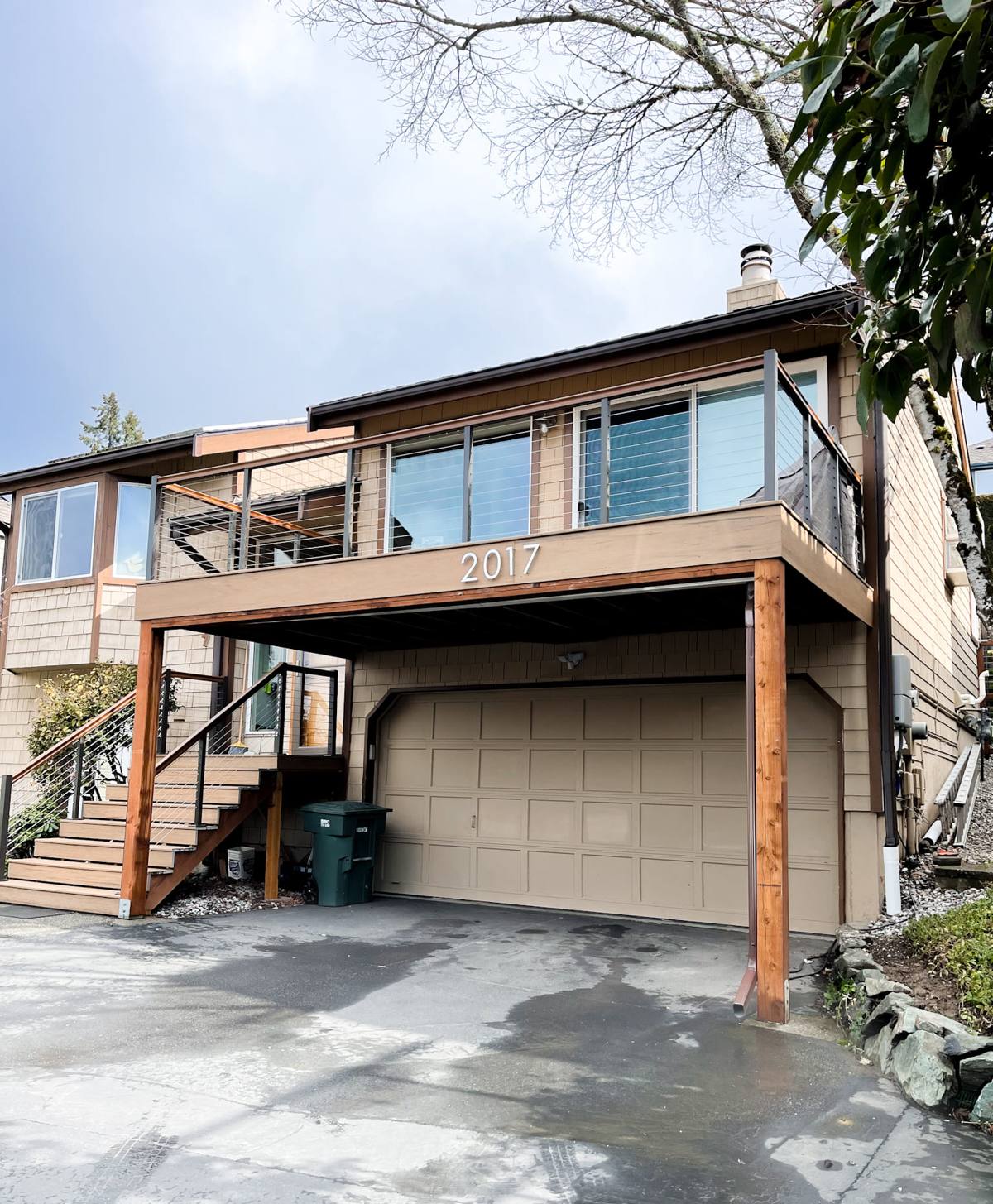
Signs a Blaine Home Needs Window Replacement, Not Just Repair
Not every drafty or foggy window needs full replacement, but in a coastal, high-moisture climate, problems tend to compound quickly once they start. Here's what we look for during an evaluation:
- Fogging or a visible haze between panes — a sign the seal has failed and the insulating gas has escaped
- Soft, spongy, or discolored wood at the sill or lower frame corners
- Persistent condensation on interior glass, even with reasonable indoor humidity
- Moss or algae staining that keeps returning to the same frame or sill area within weeks of cleaning
- Hardware — locks, cranks, hinges — that's stiff, pitted, or corroded rather than just dirty
- Visible daylight or drafts around the frame when the window is closed and latched
- Paint or finish that's peeling from the inside out, which usually points to moisture intrusion rather than sun exposure
Any one of these on its own might be a repair. Several at once, especially on a wall that faces prevailing weather off the water, usually means the window unit itself has reached the end of its useful life.
What a Correct Window Replacement Job Actually Involves
It's Not Just the Window Unit
The window itself is only part of the job. In a climate like this, the flashing, sill pan, and air-sealing details around the opening matter as much as the product you choose — arguably more, since a well-built window installed poorly will still leak. A correct replacement includes:
- Removing the old unit and inspecting the rough opening for hidden rot or water damage before anything new goes in
- Repairing or rebuilding any compromised framing, not covering it over
- Installing a proper sloped sill pan so any water that does get past the exterior cladding drains back out, not into the wall
- Correct flashing integration with the existing weather-resistive barrier and siding, shingled so water sheds downward and outward at every layer
- Continuous air-sealing between the window frame and rough opening using appropriate sealants and backer rod, not just a bead of caulk at the exterior trim
- Interior and exterior trim work finished to shed water and match the home
Why This Matters More in Blaine Specifically
In a drier or more sheltered part of Washington, a mediocre flashing job might go unnoticed for years. On a home exposed to driving rain off the water, the same shortcut shows up as a stain, a soft spot, or a moldy sill within a season or two. We treat the water-management details as the actual job, with the window itself being the visible part of it.
Choosing Materials That Hold Up to Salt Air and Long Wet Seasons
Frame material matters more here than in most inland markets, because you're weighing corrosion resistance and moisture tolerance alongside the usual factors of cost, appearance, and energy performance.
| Frame Material | Coastal Performance | Maintenance | Typical Trade-off |
|---|---|---|---|
| Vinyl | Doesn't corrode or rot; handles salt air well | Low — occasional cleaning | Fewer color/finish options; can look less premium on higher-end homes |
| Fiberglass | Very stable in wet, salty conditions; resists warping | Low | Higher upfront cost than vinyl |
| Aluminum | Prone to corrosion and condensation unless thermally broken and properly coated | Moderate to high near the water | Requires higher-spec hardware and finish to hold up long-term |
| Wood / wood-clad | Attractive but vulnerable at any point the exterior cladding is compromised | High — regular inspection and refinishing needed | Best reserved for protected elevations, not full weather exposure |
We're not against wood or aluminum windows as products — they have real appearance and performance advantages in the right application. Our standard for a fully exposed, weather-facing wall in a place like Blaine leans toward vinyl or fiberglass precisely because they tolerate salt air and constant dampness with the least ongoing maintenance. On a sheltered elevation, other materials can make sense, and we'll walk through that trade-off honestly rather than pushing one product for every wall.
Glass and Hardware Specs Worth Asking About
Beyond the frame, two details matter for this climate: hardware finish (look for corrosion-resistant coatings rather than bare or lightly plated metal) and glass package. Dual-pane with a low-E coating and argon fill is the practical baseline for this region's damp, moderate climate; triple-pane adds cost and weight for a modest efficiency gain that matters more in colder inland climates than it does right on the water.
How Moss Season Affects Window Performance
Moss itself doesn't grow on glass or vinyl, but it colonizes anything nearby that stays damp — roof edges, gutters, trim, and shaded siding — and the runoff carries organic debris and moisture directly across window heads and sills below. Over a long moss season, that means more standing moisture at exactly the points where flashing and sealant need to be doing their job. Keeping gutters and roof edges clear upslope of your windows is a simple step that reduces the load on the window assembly itself, and it's something we'll flag during an estimate if we see it contributing to an existing window's failure.
Our Process, Start to Finish
- On-site evaluation — we look at each window's condition, the wall assembly behind it, and any signs of existing water intrusion before recommending replacement over repair
- Honest product recommendation — matched to the specific wall's exposure, not a one-size-fits-all pitch
- Written estimate — clear on scope, materials, and what's included in the flashing and air-sealing work, not just the window unit price
- Opening prep and inspection — removal of the old unit with a check for hidden rot before installation begins
- Installation — sill pan, flashing, air-sealing, and trim done to hold up against wind-driven rain, not just pass a quick visual check
- Walkthrough — we show you the finished work and explain what maintenance, if any, the new windows will need going forward
What Window Replacement Typically Costs — and What Drives the Range
Every home and every opening is different, but the factors that move the price are consistent. We'd rather explain what drives cost up or down than throw out a number that doesn't apply to your house.
| Cost Factor | Why It Matters |
|---|---|
| Frame material chosen | Vinyl is typically the most economical; fiberglass and wood-clad cost more upfront |
| Condition of the existing opening | Hidden rot or water damage found during removal adds repair scope before the new window goes in |
| Window size and configuration | Larger units, custom shapes, and operable styles (casement, awning) cost more than standard sliders or single-hungs |
| Full-frame vs. insert replacement | Full-frame replaces down to the rough opening and allows flashing correction; inserts are faster but can't fix underlying water-management issues |
| Number of exposure-facing walls involved | Weather-facing elevations warrant the higher-spec detailing described above; sheltered walls may not need the same treatment |
| Trim and finish work | Matching existing interior trim or exterior cladding adds labor beyond the window swap itself |
Why It Matters to Hire a Crew That Already Works in Blaine
Window replacement isn't a uniform product installed the same way everywhere in the country — the correct approach depends heavily on what the local climate throws at a building envelope. A crew that regularly works homes in Blaine and along the Whatcom County coastline has already seen which details fail first in this exposure: which flashing sequences hold up to driving rain, which hardware finishes actually resist salt air corrosion over years rather than months, and which frame materials are worth the added cost on a fully exposed wall versus a sheltered one. That's knowledge you don't get from a crew that mostly works drier, inland jobs and treats every install the same way.
It also means fewer surprises during the job itself. We're not guessing at how this region's weather behaves — we're building around it.
Keeping New Windows Performing Long-Term
A properly installed window in this climate should need very little from you, but a short list of habits extends its life:
- Keep gutters and roof edges clear of moss and debris upslope of window heads
- Rinse frames and glass periodically to clear salt residue, especially on walls facing open water or prevailing wind
- Operate hardware (locks, cranks) a few times a year even on windows you don't open often, so components don't seize
- Check exterior caulking and trim paint annually and touch up before gaps open up
- Watch for any recurring staining or soft spots at sills, which can signal a flashing issue worth addressing early
If you're noticing drafts, fogging, or moisture trouble on your windows and want a straight answer on whether it's a repair or a replacement situation, we're happy to take a look. Fill out the form below for a free, no-pressure estimate — no obligation, just an honest assessment of what your home actually needs.