 Bellingham Siding
 Deck Replacement in Birchwood: What This Climate Actually Requires
Birchwood is a residential neighborhood in Bellingham, and like most of the homes in this part of Whatcom County, the decks here spend most of the year wet. Marine air off Bellingham Bay, driving rain that comes in sideways during winter storms, and a moss season that can run nine or ten months out of twelve all put steady wear on an exterior structure that has no roof over it. A deck built or maintained without those specific conditions in mind tends to fail years before it should, and by the time the problems are visible from the surface, they've usually been developing underneath for a while.
Deck replacement is a different job than deck repair, and it's a different job than building a brand-new deck from scratch on a lot that's never had one. A replacement means tearing out a structure that's already lived through years of this climate, dealing with whatever that exposure did to the framing and connections underneath, and rebuilding correctly rather than just swapping decking boards on top of a structure that may not be sound. This page covers what that actually involves for a Birchwood home, and why it matters to hire a crew that already works this specific corner of Bellingham rather than one learning the area on your project.
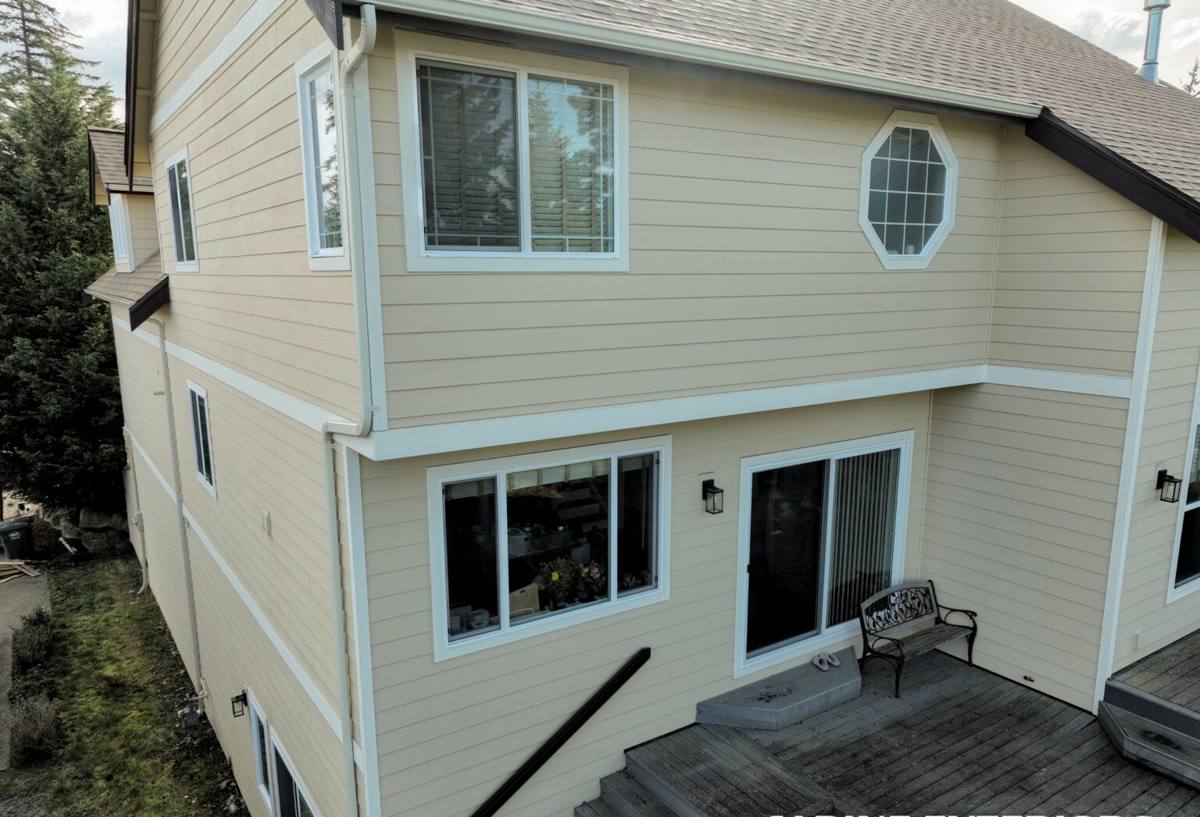
Signs a Birchwood Deck Needs Replacing, Not Just Repairing
Structural Signs
Some problems mean the whole deck needs to come down and be rebuilt rather than patched. Soft or spongy decking that gives underfoot, posts that have visibly shifted or rotted at the base, a ledger board pulling away from the house, and joists that feel bouncy or show rot when probed are all structural red flags. These aren't cosmetic issues, and boarding over them or sistering in a repair around them just delays a problem that's already active.
Cosmetic Wear That Doesn't Mean Replacement
Graying wood, surface mildew, or a few loose screws are normal wear in this climate and don't automatically mean a full rebuild. A deck that's structurally sound but just tired-looking can often be cleaned, refastened, or resurfaced. Part of an honest inspection is telling a homeowner clearly which category their deck falls into, rather than defaulting to the more expensive answer.
Age as a Factor
Even a well-built deck has a service life, and in a climate with this much sustained moisture, older wood-framed decks in particular tend to reach the end of that life faster than the same structure would in a drier region. A deck built with the framing and fastening standards common a couple of decades ago is also less likely to meet current structural expectations, which is worth factoring in even if it hasn't failed yet.
What We Typically Find When We Tear Off an Old Deck
Replacement work gives us a look at parts of a deck that repair work never exposes, and in this climate the same handful of issues show up again and again.
- Missing or failed ledger flashing — the metal flashing that's supposed to keep water from running behind the ledger board and into the house rim joist is often missing entirely on older decks, or installed in a way that funnels water inward instead of out.
- Corroded fasteners — nails, screws, and hardware not rated for exterior or coastal-adjacent exposure lose holding strength well before they look obviously rusted, and that's especially common on decks more than 10-15 years old.
- Undersized or rotted footings — post bases set too shallow, or footings that were never properly poured, showing settling or rot at the post-to-footing connection.
- Trapped moisture in framing — joists and beams that look fine from below but are soft or dark where boards sat tight against them with no airflow.
- Guardrail and stair connections that were never built to current structural expectations for load, which matters most on decks that see regular use.
None of this is unique to Birchwood, but the pace at which it develops is faster here than it would be in a drier climate, simply because the wood and metal involved stay wet longer between dry stretches.
Choosing Decking Material for a Replacement
A replacement is a chance to upgrade material, not just repeat what was there before. The right choice depends on budget, how much upkeep a homeowner wants to take on, and how exposed the deck is to sun, shade, and moisture.
| Material | Moisture & Marine Air Performance | Moss Resistance | Ongoing Upkeep |
|---|---|---|---|
| Pressure-treated wood | Fair — needs sealing to hold up over time | Low without regular cleaning | Annual sealing or staining |
| Cedar | Good natural resistance, but still absorbs moisture | Low without regular cleaning | Regular sealing, more frequent than PT wood |
| Capped composite | Strong — cap layer resists moisture absorption and staining | Good on most current product lines | Occasional washing |
| Cellular PVC | Excellent — no wood fiber to absorb moisture at all | Strong, smooth non-porous surface | Occasional washing |
Wood remains a reasonable choice for homeowners who like the look and are willing to keep up with sealing on a schedule. Capped composite is a middle ground that resists moisture and moss well without the upkeep wood requires. Cellular PVC costs more up front but handles sustained moisture with the least maintenance of the three, which some homeowners find worth the extra cost on a deck that sits in shade or gets heavy rain exposure most of the year.
What a Correct Deck Replacement Involves
Structural Framing First
The framing underneath a deck matters more than the boards on top, and it's the part homeowners see least. Joists, beams, and posts need to be sized and spaced correctly for the deck's actual load, not just matched to whatever was there before if what was there before was undersized.
Footings Built for This Ground and This Climate
Footings need to be poured to appropriate depth and sized for the load they're carrying, with post bases that keep wood off standing water and away from direct soil contact. Getting this step wrong is one of the most common reasons a deck fails prematurely, and it's invisible once decking is installed on top.
Ledger Flashing Done Right
Where a deck attaches to the house, correct flashing is the single most important detail in the entire build for keeping water out of the structure behind it. This connection point is also one of the most commonly cut corners on older builds, which is why it shows up so often during tear-off.
Corrosion-Resistant Fasteners and Hardware
Fasteners, joist hangers, and structural connectors rated for exterior and coastal-adjacent exposure cost more than standard hardware, but in a climate with this much sustained moisture and marine air influence, that difference in fastener grade is one of the clearest predictors of how long a deck's structure will actually last.
Drainage and Airflow Underneath
Decking needs to be gapped and oriented so water sheds through rather than pooling, and the space underneath a deck needs enough airflow that framing can dry out between rain events instead of staying damp continuously.
Our Deck Replacement Process
- On-site inspection — we look at the existing deck's framing, footings, ledger connection, and overall condition to confirm whether replacement is actually the right call, not just assume it.
- Straightforward scope and estimate — we walk through what we found, what needs to change structurally, and what material options fit the budget, in plain terms.
- Permitting — where the scope of work requires a permit, we handle that process rather than leaving it to the homeowner to sort out.
- Tear-off and disposal — the old deck comes out, and we take a closer look at framing, ledger, and footing condition once it's exposed.
- Structural rebuild — framing, footings, and ledger flashing are built or corrected to current standards before any decking goes down.
- Decking, railing, and stairs — installed with the fastening and drainage details this climate calls for, using the material the homeowner chose.
- Final walkthrough — we go over the finished deck together and cover basic care so it holds up the way it's built to.
Permits and Code Considerations
Whether a deck replacement requires a permit depends on the size, height above grade, and how much of the structure is being altered versus rebuilt in place. Rather than asking a homeowner to research that on their own, we determine what's required for the specific project and handle the permitting and inspection process as part of the job. Building to current structural code isn't just a formality — it's the difference between a deck that's rated for the loads it will actually see and one that only looks the part.
Why It Matters That We Already Work Birchwood
A contractor who mostly works drier inland areas can still frame a deck competently, but a lot of the judgment calls on a replacement come from having already seen how the local climate treats decks over time. Working in and around Bellingham regularly means we're not guessing at fastener grade, ledger flashing details, or footing depth on your project — we've already pulled apart enough aging decks in this climate to know which shortcuts show up first and which details are worth insisting on. That also means being straightforward about what a Birchwood deck genuinely needs to hold up long-term versus what's just an upsell, because that judgment comes from experience with this specific area, not a generic checklist.
Caring for Your New Deck
A correctly built deck still needs some basic upkeep in this climate to get its full service life. A little regular attention goes a lot further than an occasional deep clean after moss and staining have already set in.
- Sweep or rinse the surface periodically to clear leaves, pollen, and organic debris before it holds moisture against the boards
- Keep gaps between boards clear so water can drain through the way the design intends
- Check railing posts and hardware once a year, especially heading into the wet season
- Trim back overhanging branches or plants that keep the deck surface shaded and damp longer than it needs to be
- Follow the manufacturer's cleaning guidance for composite or PVC decking rather than pressure-washing at close range, which can damage the surface
- Have any soft spots, movement, or standing water underneath looked at right away rather than waiting for a bigger repair
If your deck in Birchwood is showing its age, or you just want an honest read on whether it needs repair or full replacement, we're glad to take a look and lay out the options plainly. Reach out below for a free, no-pressure estimate.