 Bellingham Siding
 Metal Roofing Built for Sehome's Weather, Not Just Its Curb Appeal
Sehome sits on a hillside close to Western Washington University, with a mix of older homes and newer construction shaded by mature trees on many lots. That combination — tree canopy, hill terrain, and proximity to the Salish Sea — creates a specific kind of wear on a roof. It's not one big storm that causes problems here. It's the slow, steady grind of moisture that rarely fully dries out, salt-laden air drifting in off the water, and driving rain that gets pushed sideways by wind more often than most homeowners realize.
A metal roof can handle all of that better than most other materials, but only if it's specified and installed with this climate in mind. A metal roof put on the same way you'd install one in a dry inland climate will underperform here — sometimes in ways that don't show up for several years. This page is about what a correct metal roofing job looks like specifically for a Sehome home, and why that's different from a generic installation.
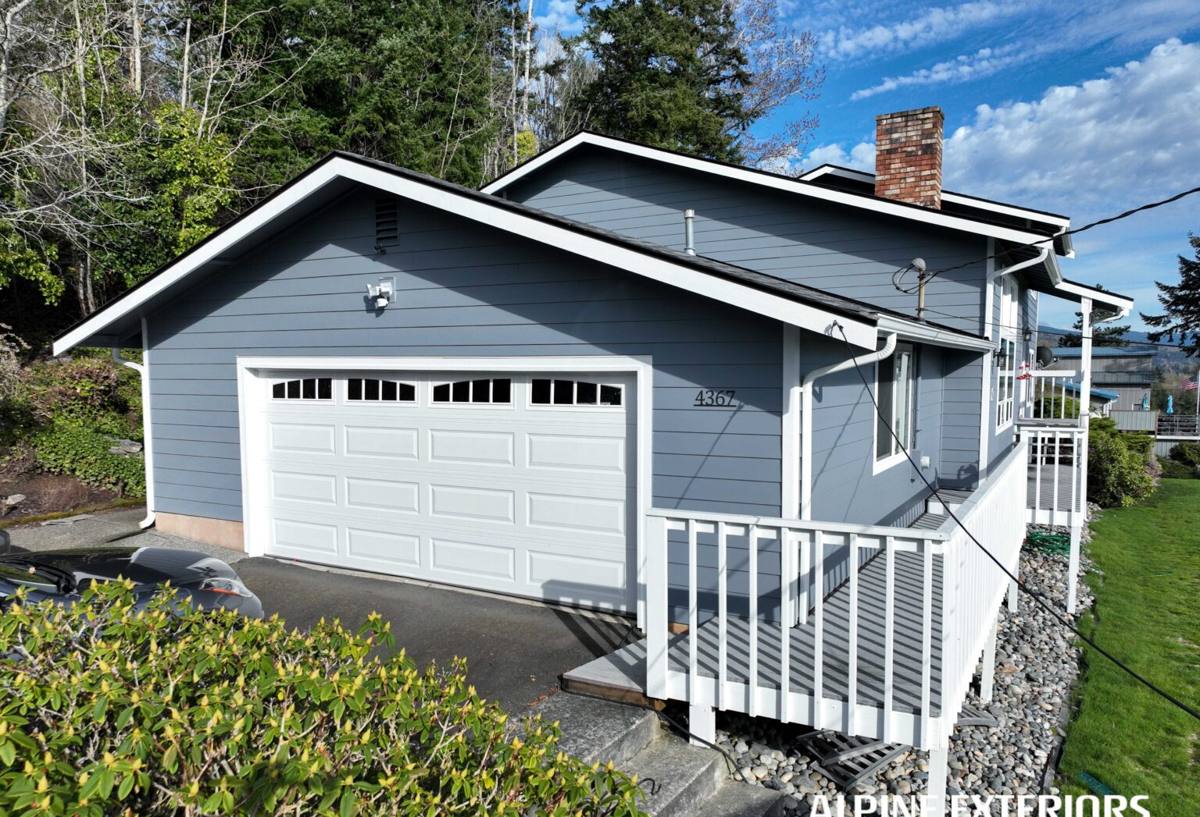
What Bellingham and Whatcom County Weather Actually Does to a Roof
Three factors matter most for homes in this part of Whatcom County:
Driving Rain
Wind off the water doesn't just drop rain straight down — it pushes it sideways and up under laps, flashing edges, and fastener heads. A roof system that only sheds water when it falls vertically will eventually leak here. Seam design, underlayment, and flashing details all have to account for wind-driven moisture, not just gravity.
Salt Air
Being close to Bellingham Bay means airborne salt reaches roofs on shaded, tree-covered lots more than people expect, especially on homes with any elevation or wind exposure. Salt accelerates corrosion on fasteners, cut edges, and any point where two dissimilar metals touch. This is a fastener and flashing issue as much as it is a "what metal is the panel made of" issue.
Long Moss Season
Shaded, north-facing sections of a roof in Sehome can stay damp for months at a time. On roofing materials with texture or porous surfaces, that moisture and shade combination is exactly what moss and algae need to establish. Once moss gets a foothold, it holds even more water against the roof surface and works its way under laps and shingle edges.
Why Metal Roofing Fits This Climate — When It's Done Right
Metal roofing has real advantages for a Sehome property: a smooth, hard, non-porous surface gives moss and algae far less to grip onto compared to textured roofing materials, steep-slope panel systems shed wind-driven rain more effectively, and a properly installed system can outlast several cycles of shorter-lived roofing. None of that is automatic, though. The advantages come from correct material choice, correct fasteners, and correct installation detail — not from the fact that the roof is "metal."
We treat every metal roof install or replacement here as a system, not a stack of panels. That system includes the underlayment, the flashing, the fastener hardware, and the ventilation — each one matters as much as the panels themselves.
Panel Profile and Metal Choice
Standing seam panels — where fasteners are concealed under raised seams rather than driven through the panel face — are our default recommendation for most Sehome homes. Keeping fasteners out of the weather removes one of the most common long-term leak and corrosion points on a metal roof in a wet, salty climate. Steel panels with a quality factory finish and aluminum panels both perform well here; the right call depends on your home's exposure, budget, and the look you want, and we'll walk through that honestly rather than pushing one option.
Underlayment and Moisture Barrier
Because Sehome roofs can stay damp for extended stretches under tree cover, we install a high-temperature, self-adhering synthetic underlayment as the moisture backstop beneath the panels — not the thin felt still used on some lower-cost installs. This layer is what protects your roof deck if wind-driven rain ever gets past the panel seams, and it also manages the condensation that can form on the underside of any metal roof.
Fasteners and Flashing
This is where salt-air corrosion actually gets stopped or missed. We use fasteners and flashing rated for coastal-adjacent exposure, and we pay close attention to avoiding direct contact between dissimilar metals (for example, the wrong flashing against the wrong panel alloy), which can set off galvanic corrosion over time. It's a detail that's invisible on install day and very visible five or ten years later if it's skipped.
Ventilation
A metal roof needs the attic or roof assembly beneath it to breathe correctly. Without adequate intake and exhaust ventilation, trapped moisture can condense on the underside of metal panels — the same climate that grows moss on the outside of a roof will encourage condensation problems on the inside if airflow isn't right. We check and correct ventilation as part of any metal roof project, not as an upsell afterward.
Metal Roofing Options: A Straight Comparison
| Panel Type | Fastener Exposure | Moss/Algae Resistance | Best Fit | Relative Cost |
|---|---|---|---|---|
| Standing seam | Concealed under seams | Excellent — smooth, few water traps | Most Sehome homes, especially shaded or exposed lots | $$$ |
| Exposed-fastener panel | Visible, gasketed screws | Good, if seams and laps are detailed correctly | Budget-conscious projects, outbuildings, some roof pitches | $$ |
| Stone-coated steel shingle | Concealed under coating/interlock | Good, textured surface needs more attention | Homeowners wanting a shingle or shake look with metal durability | $$$ |
Exposed-fastener panels aren't a bad product — they're a legitimate, more affordable option — but every exposed fastener is a maintenance point that has to be checked periodically, especially where salt air is in play. We'll always tell you honestly which option fits your roof, your budget, and how much maintenance you actually want to take on.
Signs a Sehome Roof Is Losing the Fight With Moss and Rain
- Dark green or black streaking on north-facing or shaded slopes that keeps coming back after cleaning
- Moss visibly growing along shingle tabs, ridges, or valleys, not just on the surface
- Granule buildup in gutters or downspouts, or gutters that overflow during heavy rain
- Soft spots, sagging, or discoloration on interior ceilings near exterior walls
- Rusted or lifting fasteners and flashing on any existing metal components
- A roof that's due for replacement age-wise and has never had ventilation checked
Any one of these is worth a look. Several together usually mean the roof assembly, not just the surface, needs attention.
Our Process for a Sehome Metal Roofing Project
- On-site assessment. We look at your existing roof, attic ventilation, tree cover, and exposure — not just square footage.
- Honest recommendation. We explain which panel type and materials fit your home and budget, including the trade-offs, before you commit to anything.
- Tear-off and deck check. We remove the old roofing and inspect the deck for rot or soft spots caused by prior moisture intrusion — common on older Sehome homes with mature tree cover.
- Underlayment and flashing installation. This is where most of the long-term protection actually comes from, and we don't rush it.
- Panel installation. Correct fastener spacing, seam alignment, and edge detailing for wind-driven rain performance.
- Ventilation correction, if needed. We address intake and exhaust airflow as part of the project, not as a separate line item you have to ask for.
- Final walkthrough. We show you the completed work and explain any maintenance specific to your roof and lot.
What Drives Cost on a Sehome Metal Roof
Every metal roofing quote should be transparent about what's driving the number. The biggest factors we see on Sehome projects are:
- Roof complexity — valleys, dormers, and multiple roof planes take more flashing work and labor than a simple gable roof.
- Panel type — standing seam typically costs more upfront than exposed-fastener panel but usually needs less long-term maintenance.
- Deck condition — hidden rot from years of trapped moisture under an old roof can add repair work once tear-off starts.
- Ventilation corrections — bringing an older attic's airflow up to what a metal roof needs is sometimes part of the job.
- Access and pitch — steep or hard-to-access roofs, common on hillside lots, take more time to work safely.
We'll break down exactly what's contributing to your quote rather than handing you a single number with no explanation.
Why It Matters That We Already Work in Sehome
A crew that already works on Sehome roofs isn't guessing at how much shade, moisture, and salt exposure a given lot gets — we've seen how differently a well-treed, north-facing roof ages compared to one on an open, sun-exposed lot a few blocks away, and we account for that when we spec the materials and detailing for your home. We also know the reality of Bellingham and Whatcom County building requirements and how they apply to reroofing and ventilation work, so there are no surprises partway through your project.
Just as important, local experience means we're not applying a generic roofing playbook. Wet, shaded, salt-adjacent climates like this one punish shortcuts — a roof that looks fine on install day can fail early if the underlayment, flashing, or ventilation was treated as optional. We'd rather get those details right the first time than come back for a fix later.
Caring for a Metal Roof in Sehome's Climate
A correctly installed metal roof is low-maintenance, not no-maintenance. A couple of practical habits go a long way here:
- Keep gutters and valleys clear of needles and debris, especially on tree-covered lots where buildup happens faster.
- Have shaded, moss-prone areas checked periodically rather than waiting until moss is visibly established.
- After major windstorms, a quick visual check for lifted flashing or debris damage is worth the few minutes it takes.
- Avoid pressure washing metal panels yourself — it can drive water under laps and damage finishes; if a cleaning is needed, it should be done the right way.
If you're weighing a metal roof for your Sehome home, we're happy to take a look and give you a straightforward assessment — no pressure, no inflated urgency, just an honest read on your roof and what it actually needs. Use the form below to request a free estimate.